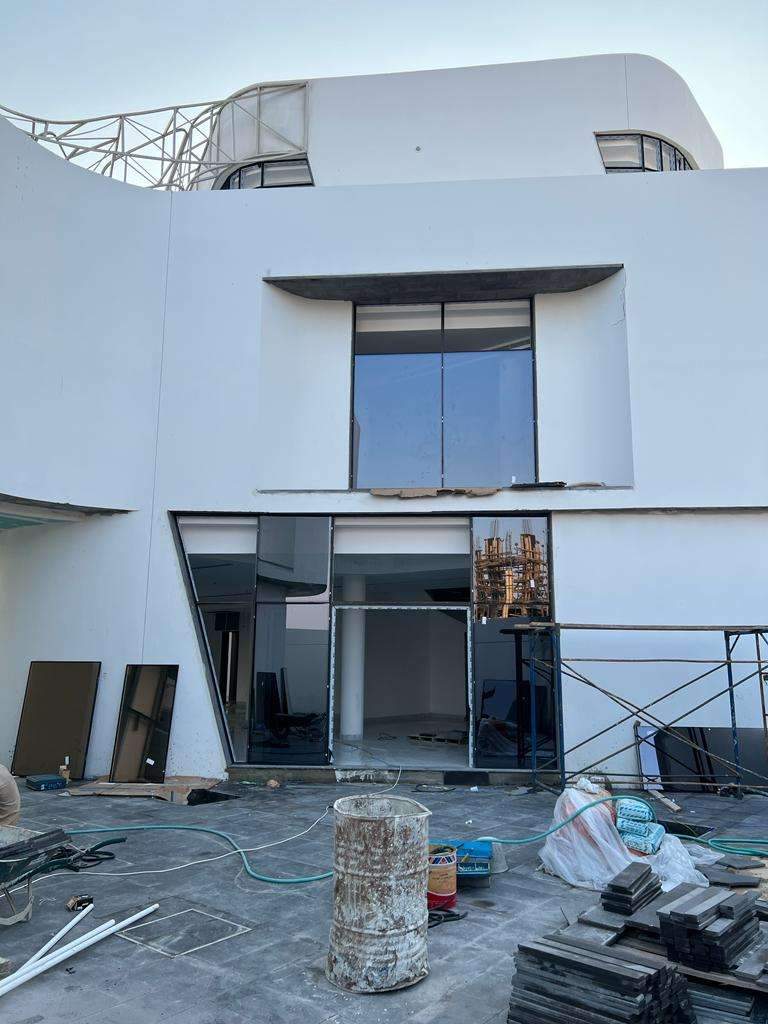
The Emerging Rise of Saudi Architecture: A Closer Look at the Work of Ibrahim Joharji

As global attention increasingly turns toward Saudi Arabia and its ambitious development agenda, the architectural landscape of the Kingdom is undergoing one of the most rapid periods of transformation in its modern history. International firms, design research groups, and engineering consultancies have allocated significant resources to understanding the country’s evolving urban vision, driven by a new cultural outlook and economic diversification beyond oil.
This shift has created a fertile environment for local architects to contribute meaningfully to the region’s architectural discourse. Within this context, a new generation of Saudi designers is beginning to occupy a visible role on the global stage. Among the figures drawing increasing attention is Ibrahim Joharji, founder of INJ Architects, a studio established in 2008 and rooted in the historic city of Makkah.
Joharji’s early engagement with international design competitions marked his entry into the wider architectural conversation. Although relatively few Saudi architects have traditionally participated in global competitions, such work has allowed his studio to test ideas, explore new typologies, and engage with contrasting climatic and cultural settings. These experiments intersect with broader questions about how Saudi Arabia can develop a contemporary architectural language while retaining regional identity.
The studio’s approach emphasizes conceptual clarity, contextual understanding, and a willingness to rethink conventional design norms. Joharji maintains active connections with international organizations focused on sustainability, safety standards, and environmental performance. These relationships allow his studio to align with global frameworks while contributing a Saudi perspective shaped by decades of experience in Makkah’s unique urban conditions.
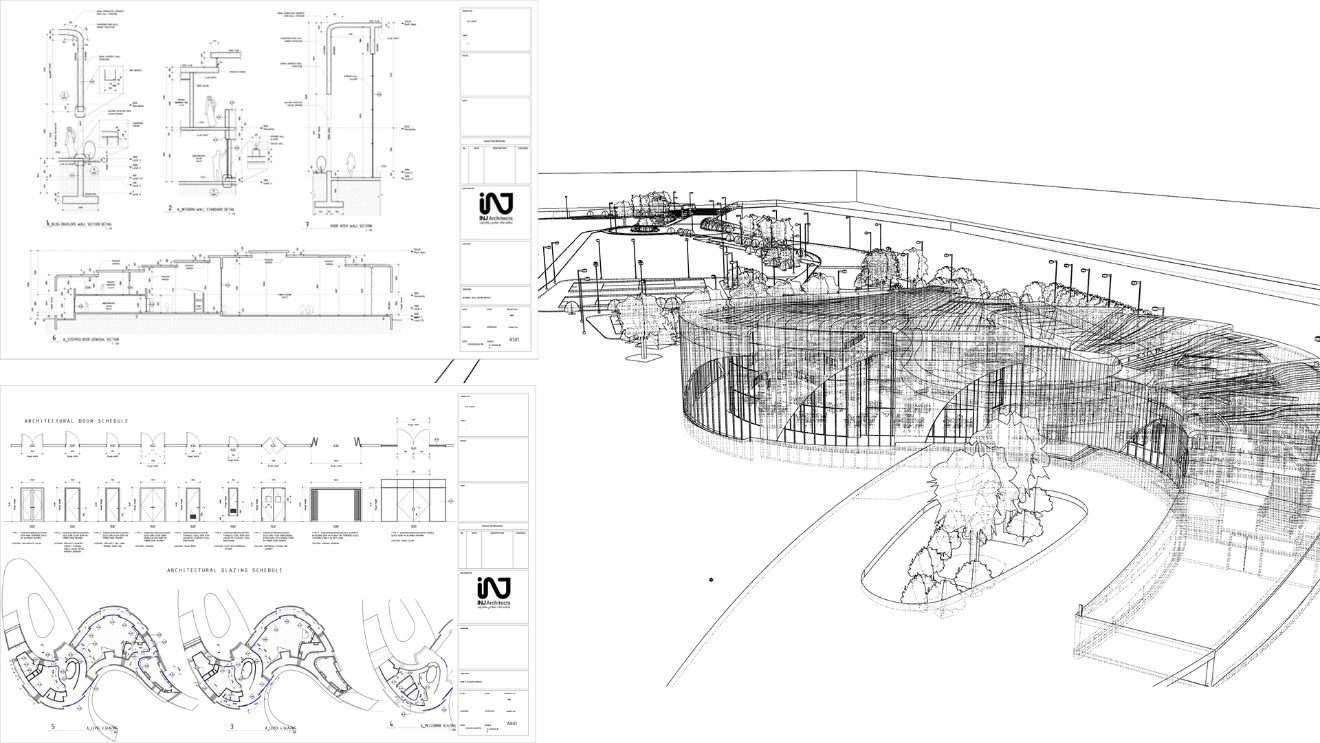
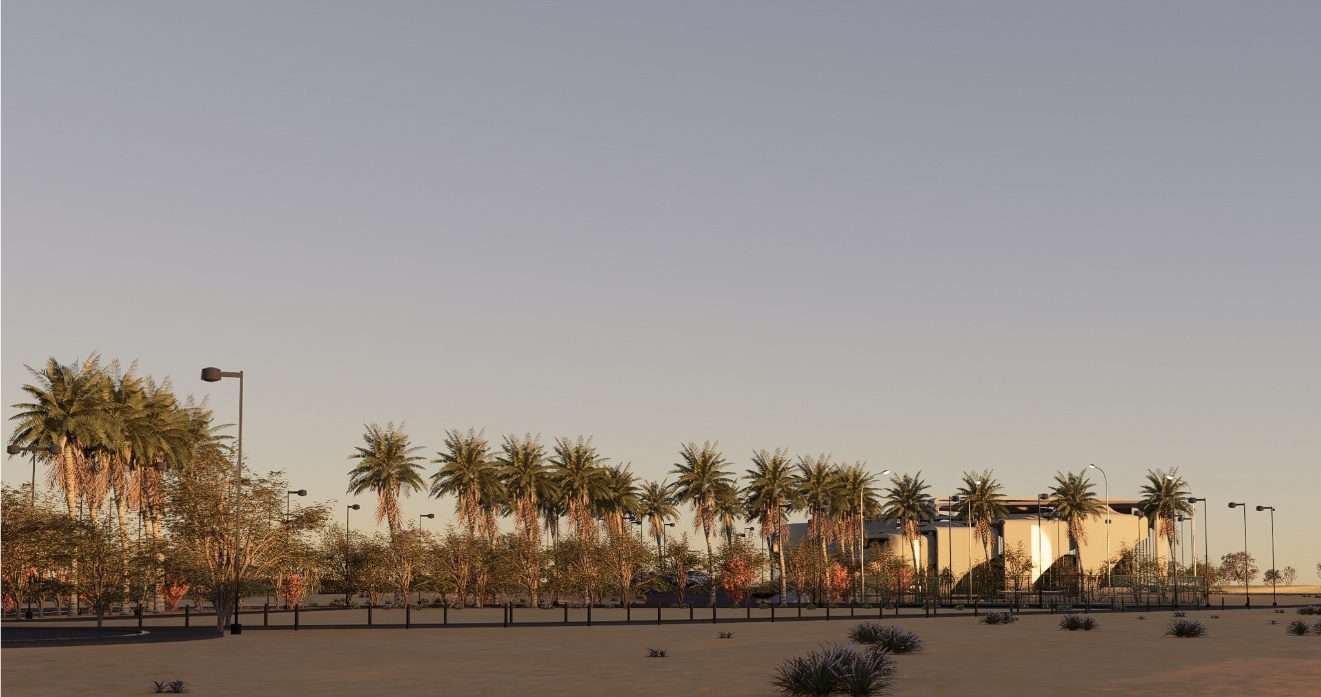
One aspect often highlighted is the city’s exceptional operational demands: Makkah experiences a sudden population shift from zero to millions of visitors within a compressed time frame during Hajj. Designing for such conditions requires an architectural and engineering logic rarely found elsewhere. Joharji argues that this experience has produced a distinct architectural system shaped by hospitality flows, safety planning, and large-scale movement management rather than by formal aesthetics alone.
The studio also notes an increasing appetite among clients for more expressive design solutions. As expectations evolve, architectural boldness is becoming more accepted within a region historically associated with conservative design preferences. For Joharji, this shift represents an opportunity to articulate new architectural narratives while ensuring function, safety, and environmental performance remain central.
Looking forward, the studio identifies several key sectors in which it continues to develop work: luxury residential palaces, aviation-related structures, high-end hospitality, sports buildings, and ultra-luxury hotel typologies. For Joharji, the question of whether Saudi architecture can be exported abroad is no longer theoretical; he considers it an active and ongoing reality shaped by the country’s expanding global footprint.