Japan Reimagines Regional Gateway as Themed Infrastructure

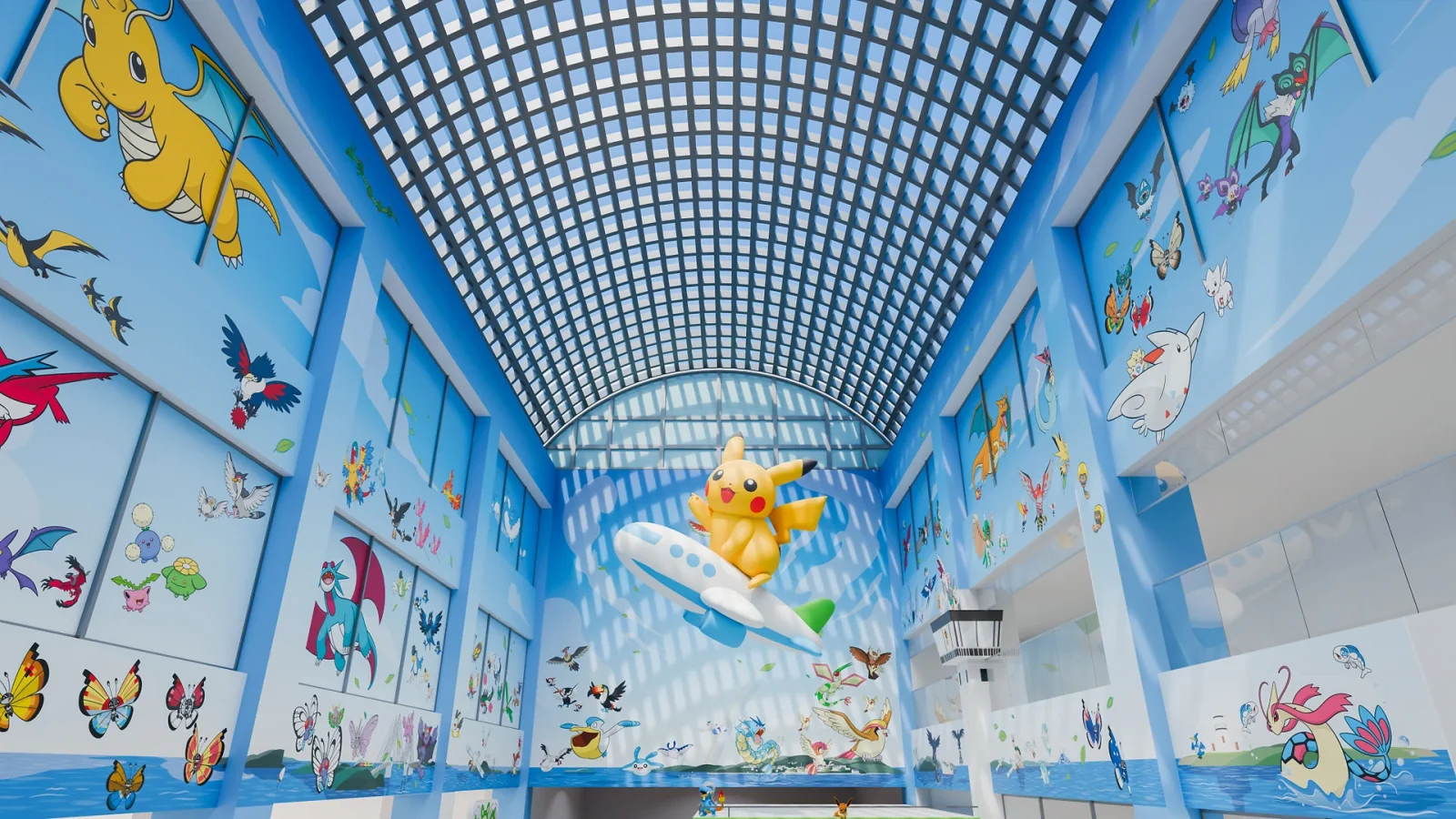
Japan will open the world’s first airport officially named after a global entertainment franchise on July 7, 2026. The Noto Satoyama Airport in Ishikawa Prefecture adopts a new identity to drive tourism and support regional recovery following the 2024 earthquake. This intervention transforms a standard regional gateway into a narrative destination that integrates fictional characters into every layer of the passenger experience.
The project functions as a strategic piece of urban planning and economic revitalization. By renaming the facility and installing extensive visual elements, the team aims to attract travelers who typically visit major hubs like Tokyo or Osaka. The redesign utilizes the airport as a tool for placemaking, turning a functional transit building into a cultural landmark for the Noto Peninsula.
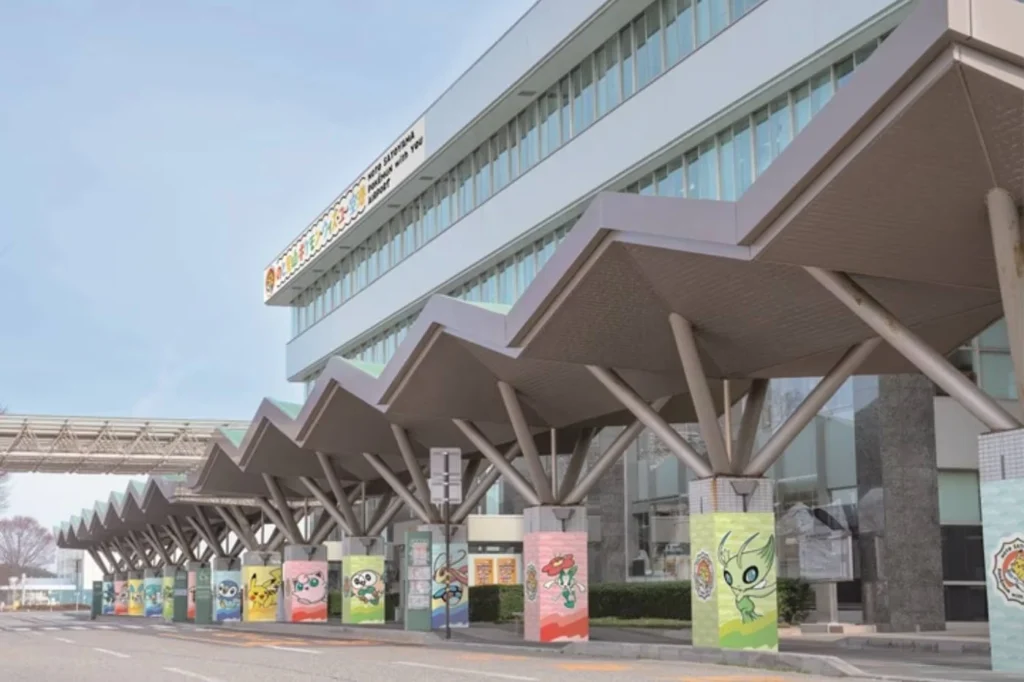
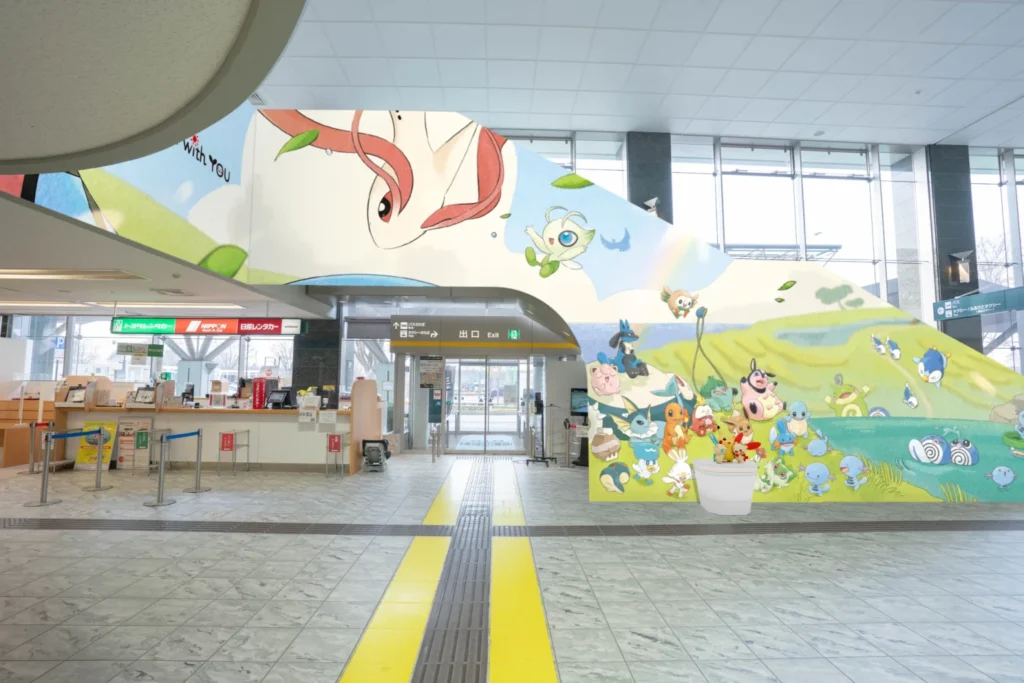
Designers distributed themed elements across the entire facility rather than isolating them in a single gallery. Graphics and physical installations appear at the terminal entrances, arrival halls, and even the boarding bridges. This approach treats the architecture of the terminal as a continuous canvas, ensuring that the brand identity permeates the traveler’s movement through the building.
Narrative Wayfinding and Atmospheric Integration
The scheme organizes the visual identity around the concept of flight. The project features 111 different “Flying-type” characters to establish a conceptual link between the fictional universe and the operational reality of aviation. This thematic choice guides the placement of suspended elements and wall treatments, reinforcing the feeling of movement throughout the passenger waiting areas.
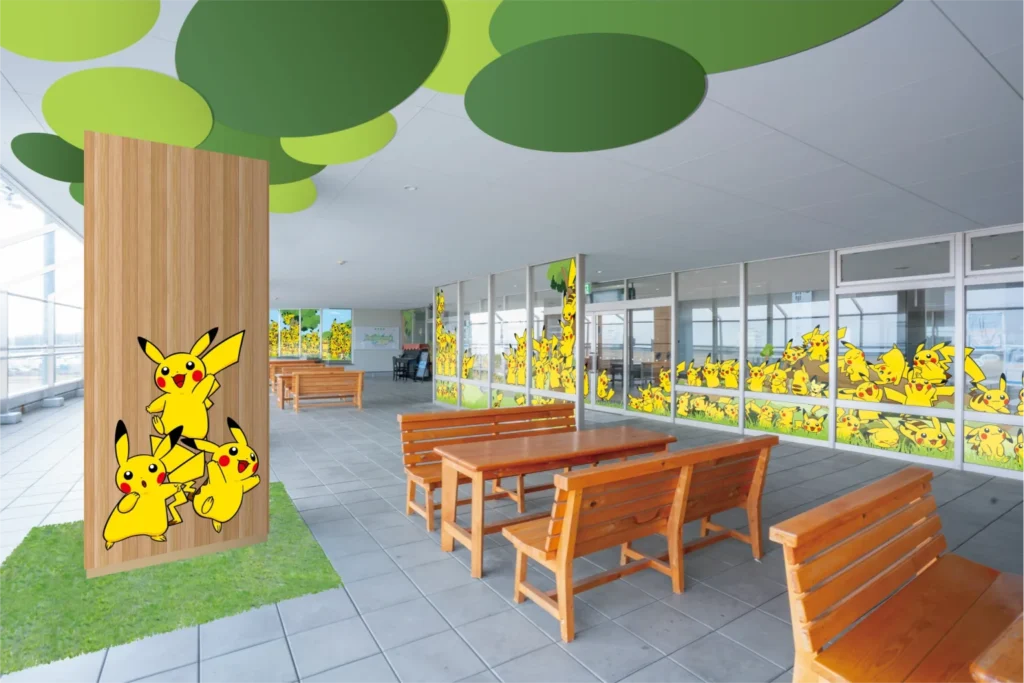
Retail spaces and merchandise zones also play a critical role in the interior reorganization. The strategy integrates these commercial points into the wider visitor sequence, making the airport a destination for local residents as well as travelers. By expanding the program beyond simple transport, the team increases the building’s utility as a community asset during the regional recovery phase.
Atrium Installations and Civic Anchors
A large-scale installation in the second-floor atrium serves as the primary visual anchor for the terminal. A suspended sculpture featuring a character attached to an airplane balloon dominates the central void. This centerpiece provides clear orientation for passengers and functions as a civic artwork that defines the building’s new character.
The initiative extends past the terminal walls into the broader Noto region. The team coordinated the airport design with themed manhole covers and local attractions to create a unified regional narrative. This strategy positions the airport as the primary threshold to a wider landscape of themed experiences, encouraging longer stays and deeper exploration of the peninsula.

Spatial Sequence and Programmatic Logic
The project successfully reconfigures the visitor sequence by treating the airport terminal as an experiential envelope. Rather than adding a superficial layer of decoration, the design team integrated characters into the wayfinding and circulation hierarchy. The decision to focus on aviation-themed characters creates a coherent relationship between the fictional content and the structural purpose of the terminal. This programmatic intelligence transforms the atrium from a passive transit void into an active public landmark. By distributing these elements throughout the interior walls and retail zones, the scheme ensures that the brand functions as a unifying spatial element rather than a distracting secondary layer.
✦ ArchUp Editorial Insight
The project represents a sophisticated evolution of interior design as a tool for regional economic survival. By embedding a global cultural franchise into the core construction of the traveler experience, the team transforms a mundane regional hub into a high-value destination. This strategy successfully leverages entertainment to rebuild civic visibility for a disaster-stricken area. However, the reliance on intellectual property to validate public infrastructure raises questions about the long-term autonomy of civic space. When a regional gateway ties its identity to a corporate brand, the architecture risks becoming a temporary marketing vessel. While the theme supports immediate recovery, the project must eventually reconcile its commercial narrative with the permanent needs of the community and the lasting dignity of the regional landscape.
Project Team: Pokémon With You Foundation and Ishikawa Prefecture Authorities. Location: Noto Satoyama Airport, Ishikawa Prefecture, Japan.
Project Notes: The project opens July 7, 2026, and remains operational until September 2029 to support the Noto Peninsula earthquake recovery efforts.