
Cellular and Spatial Engineering: Can “Therapeutic Architecture” Rewrite the DNA of Trauma Victims?

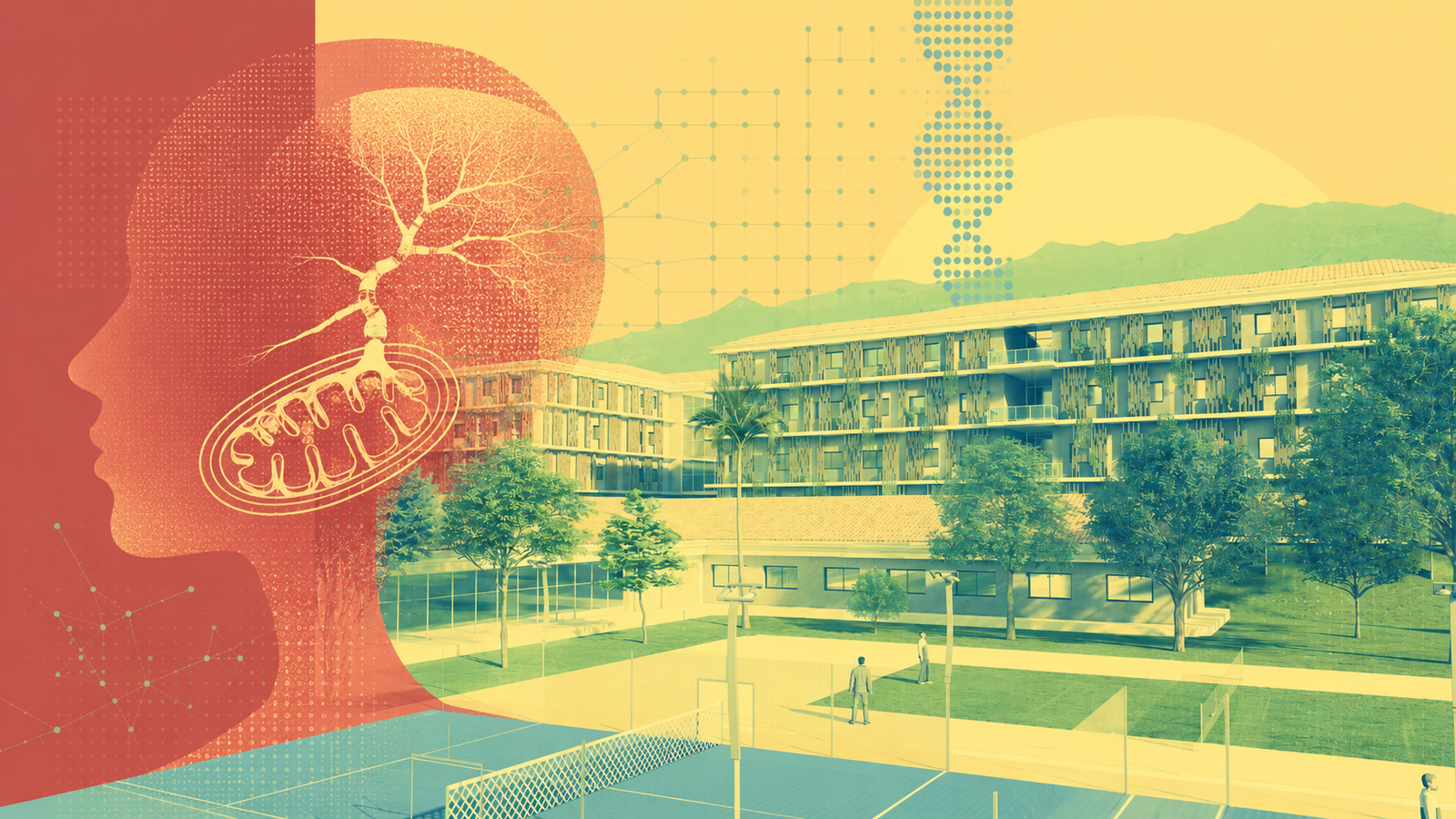
How the Built Environment and Design Studio Culture Affect Cellular Stress and Sex-Specific Genetic Differences
A peculiar paradox links the minute details of human cellular biology to the expansive volumes of space through which people move. While post-traumatic stress disorder appears to be a purely psychological burden, recent laboratory research reveals its footprints within the mitochondria—the powerhouses of human cells—specifically in the mitochondrial DNA copy number. Yet, what does the engineering of architectural space, the work culture within design studios, and the environment of review juries have to do with this invisible biological battle? The spaces humans design are not merely walls and ceilings; they are dynamic catalysts that either help repair or exacerbate cellular stress, particularly when considering the genetic and hormonal differences between sexes in response to psychological and spatial pressure.
Spatial Biology: When Cellular Stress Translates into the Language of Architecture
Scientific data extracted from pioneering studies, such as those led by Bersani and colleagues, indicate that individuals suffering from post-traumatic stress disorder exhibit a significant decrease in mitochondrial DNA copy number compared to healthy controls. This cellular decline reflects a state of mitochondrial allostatic load resulting from persistent stress. Within professional practice, this concept maps directly onto the engineering work environment and the traditional culture of the architecture studio, where students and practitioners face chronic stress and harsh criticism during design juries. Transforming these environments from repellent, high-stress spaces into therapeutic environments that rely on natural light and dynamic ventilation represents the first line of defense against this biological degradation, anchoring human energy efficiency to the efficiency of the surrounding space.
Sex Differences Facing Space: The Geography of Psychological Stress
The biological response to psychological stress is not equal between males and females, a fact validated by the genome-wide association studies reviewed by Ponomareva and Ressler, which demonstrated that the heritability of post-traumatic stress disorder is significantly higher in females than in males. This genetic and hormonal variance, linked to mechanisms such as the regulation of estrogen and progesterone, forces urban planners and architects to reconsider urban safety planning. Public spaces, transit stations, and urban corridors that lack adequate lighting or secure visual design function as sources of threat and psychological stress that impact women genetically and functionally at higher rates, necessitating the adoption of design standards responsive to gender-spatial sensitivities.
Environmental and Behavioral Interaction: Designing Social Incubators
In an analytical study conducted by Zhang and his team on the interaction between mitochondrial functions and environmental behaviors, clear differences emerged between the sexes regarding how stress manifests as anxiety and depression symptoms. This link opens the door for architects to design social incubators within institutional and residential buildings. Creating spaces that allow for positive social interaction and support physical activity directly alleviates psychological burdens. When architectural engineering succeeds in providing spaces for rest and visual relaxation, it helps reduce reliance on negative coping mechanisms, which in turn reflects positively on the cellular and psychological stability of the users.
Mechanisms of Architectural Stimulation: The Pituitary Axis and the Surrounding Environment
Preston addressed in his scientific review the biological mechanisms that render individuals more vulnerable to trauma disorders, including the dysregulation of the hypothalamic-pituitary-adrenal axis and abnormal inflammatory responses. Here, the importance of biophilic design emerges as a therapeutic tool. The intelligent integration of plants, natural materials like wood and stone, and the sound of running water within architectural design is not merely an aesthetic luxury. These elements operate as environmental catalysts that help calm the sympathetic nervous system, reduce cortisol levels, and limit cellular inflammation, granting the body the opportunity to rebuild its lost mitochondrial balance.
Flexibility of Change: Flexible Space and the Potential for Biological Recovery
A glint of hope appears in the study led by Hummel and her colleagues, which revealed that the mitochondrial DNA copy number possesses a plasticity that makes it modifiable and capable of improvement following periods of treatment and concentrated care. From an architectural perspective, this finding reinforces the concept of flexible and adaptive spaces. Hospitals, rehabilitation centers, and even residential environments designed to be customizable and fully controllable by the user—in terms of light intensity, temperature, and visual privacy—provide a supportive environment for biological recovery processes, helping cells free themselves from accumulated stress loads.
✦ ArchUp Editorial Insight
The emerging discourse around “therapeutic architecture” and cellular stress response is not primarily a scientific development — it is a professional liability narrative in early formation. Architecture, long accused of producing hostile studio cultures, punishing review rituals, and gender-indifferent public space, now faces a body of biological evidence that may eventually reach regulatory and institutional frameworks. The deeper structural question is not whether biophilic interiors reduce cortisol, but why the conditions producing chronic spatial stress — procurement timelines that eliminate daylighting studies, real estate yield pressures that compress social space, and institutional jury cultures normalized through decades of professional reproduction — have persisted without systemic challenge. The science does not indict aesthetics. It indicts the governance structures that continue to authorize environments optimized for throughput over human biological function.
References
Bersani, F. S., et al. “Mitochondrial DNA copy number alterations in post-traumatic stress disorder.” Progress in Neuro-Psychopharmacology and Biological Psychiatry, 2016. Hummel, E. M., et al. “The impact of inpatient treatment on mitochondrial allostatic load in women with post-traumatic stress disorder.” Psychoneuroendocrinology, 2023. Cai, N., et al. “Association of mitochondrial DNA copy number with age and sex across generations.” Frontiers in Genetics, 2020. Ponomareva, O. Y., Ressler, K. J. “Genetics and biological mechanisms of sex differences in post-traumatic stress disorder.” Neurobiology of Stress, 2021. Zhang, H., et al. “Sex differences in the interaction between mitochondrial functions, human behavior, and their impact on anxiety and depression.” Journal of Affective Disorders, 2023. Hiscox, L. V., et al. “Biological links and accelerated brain aging in post-traumatic stress disorder: A review of sex differences.” Current Psychiatry Reports, 2023. Pineles, S. L., et al. “Sex-specific hormonal and genetic factors in post-traumatic stress disorder.” Current Opinion in Psychology, 2017. Preston, G., et al. “The role of mitochondrial dysfunction in susceptibility to post-traumatic stress disorder.” Journal of Inherited Metabolic Disease, 2018.





👏 This is a valuable and well-researched topic, but there are 3 important notes:
1️⃣ The Buildings category is reserved for completed and existing buildings. Please use Architecture or Interior Design when discussing design concepts or interior spaces.
2️⃣ The ✦ ArchUp Editorial Insight section is mandatory and must be prepared before publication. It is a core part of our editorial identity and analytical approach.
3️⃣ Please add three related internal articles or topics to improve user navigation and strengthen ArchUp’s internal knowledge network.