Australia Introduces Vertical 3D Printing Interface for High-Rise Construction

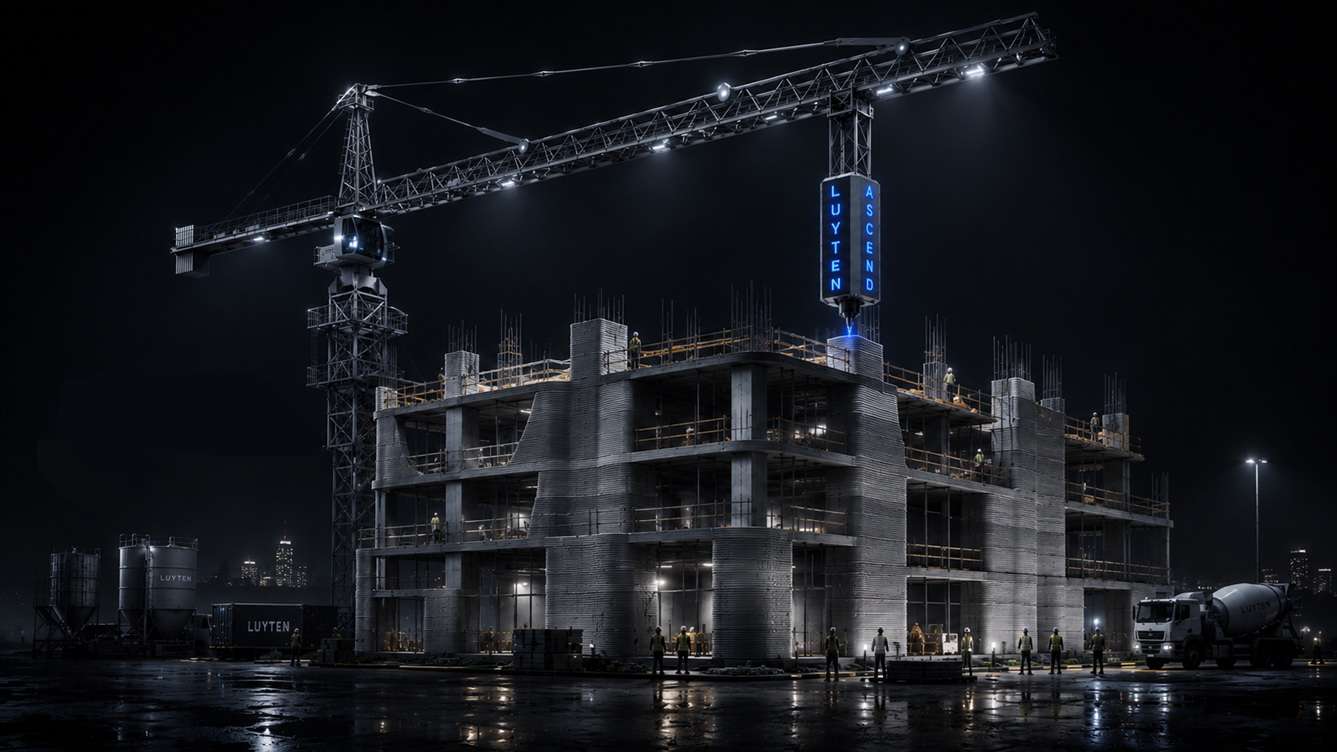
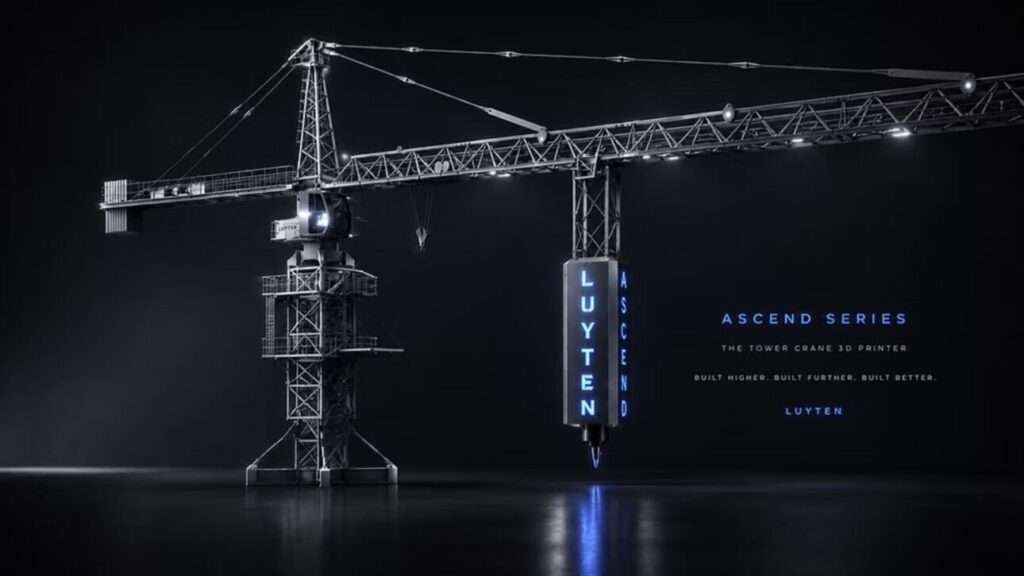
A new technological interface in Australia transforms conventional tower cranes into large-scale concrete printers capable of reaching heights of 100 meters. This system shifts additive manufacturing from low-rise residential prototypes into the domain of high-density vertical construction. The intervention utilizes existing site infrastructure to bypass the height limitations of traditional gantry-based printing methods.
Integrating Robotic Extrusion with Conventional Lifting Infrastructure
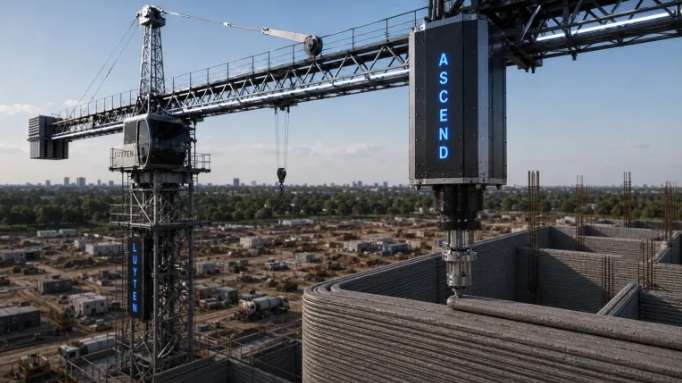
The system reconfigures the primary role of the tower crane from a material-handling tool to an active manufacturing component. By embedding robotic concrete-printing technology and digital workflows into the crane’s existing framework, the design translates digital models directly into physical building materials. The platform attaches to standard equipment within days, creating a versatile robotic system for urban environments.
The printing interface operates within a 45-meter radius and maintains operational continuity up to a height of 100 meters. This capacity allows the team to address multi-storey residential and commercial programs that previously exceeded the technical reach of 3D printing. The approach combines AI-assisted path planning with real-time monitoring to manage the continuous deposition of concrete layers across complex floor plates.
Scaling Additive Manufacturing for Dense Urban Contexts
While industry standards for 3D-printed buildings have largely focused on single-story structures, this technology targets the logistical constraints of the vertical city. Most existing systems rely on restrictive gantry frames or limited robotic arms. By leveraging the inherent height and reach of the tower crane, the intervention extends the benefits of automation—such as reduced material waste and accelerated schedules—to high-rise typologies.
The team anticipates that the repurposing of existing site equipment will lower the barrier to entry for digital construction. As global cities face rising costs and labor shortages, the strategy offers a method to increase productivity through localized manufacturing. The transition from lifting to printing marks a significant evolution in how the industry utilizes heavy machinery on-site.
Spatial Logic and Structural Implications
The architectural strategy behind this system hinges on the decoupling of construction height from ground-based scaffolding. By utilizing the tower crane as a multi-axis coordinate system, the design enables a precise spatial sequence that eliminates the need for traditional formwork in vertical elements. This shift implies a new structural logic where the geometry of the building envelope directly reflects the path of the robotic extruder. The integration of AI path-finding ensures that the material deposition maintains structural integrity across varied heights. Furthermore, the 45-meter radius allows for significant programmatic flexibility, enabling the printing of complex, non-linear floor plans that would prove cost-prohibitive using conventional timber or steel forming methods. This technical resolution positions additive manufacturing as a viable tool for high-density architecture.
✦ ArchUp Editorial Insight
This technological pivot reclaims the tower crane as a site-specific factory, effectively liberating additive construction from the restrictive terrestrial footprints of gantry systems. By weaponizing existing vertical infrastructure, the design establishes a new coordinate-based logic for high-density envelopes. It fundamentally replaces the temporary scaffolding of the industrial era with a permanent, data-driven manufacturing interface capable of translating complex geometries into reality.
However, this vertical scaling risks reducing architecture to a mere byproduct of robotic path-finding. While the system promises efficiency, it threatens to standardize spatial experience through the specific material limitations of extrudable concrete. By prioritizing automated deposition over tectonics, the approach may overlook the nuanced social and thermal requirements of the building skin, ultimately favoring machine speed over human-centric spatial quality.
Project Team: Luyten. Location: Melbourne, Australia.
Project Notes: The team unveiled the ASCEND system in June 2026. The technology facilitates 3D printing of concrete structures up to 100 meters in height using standard tower crane infrastructure.