Train collision Spain 2026 impacts high-speed rail safety

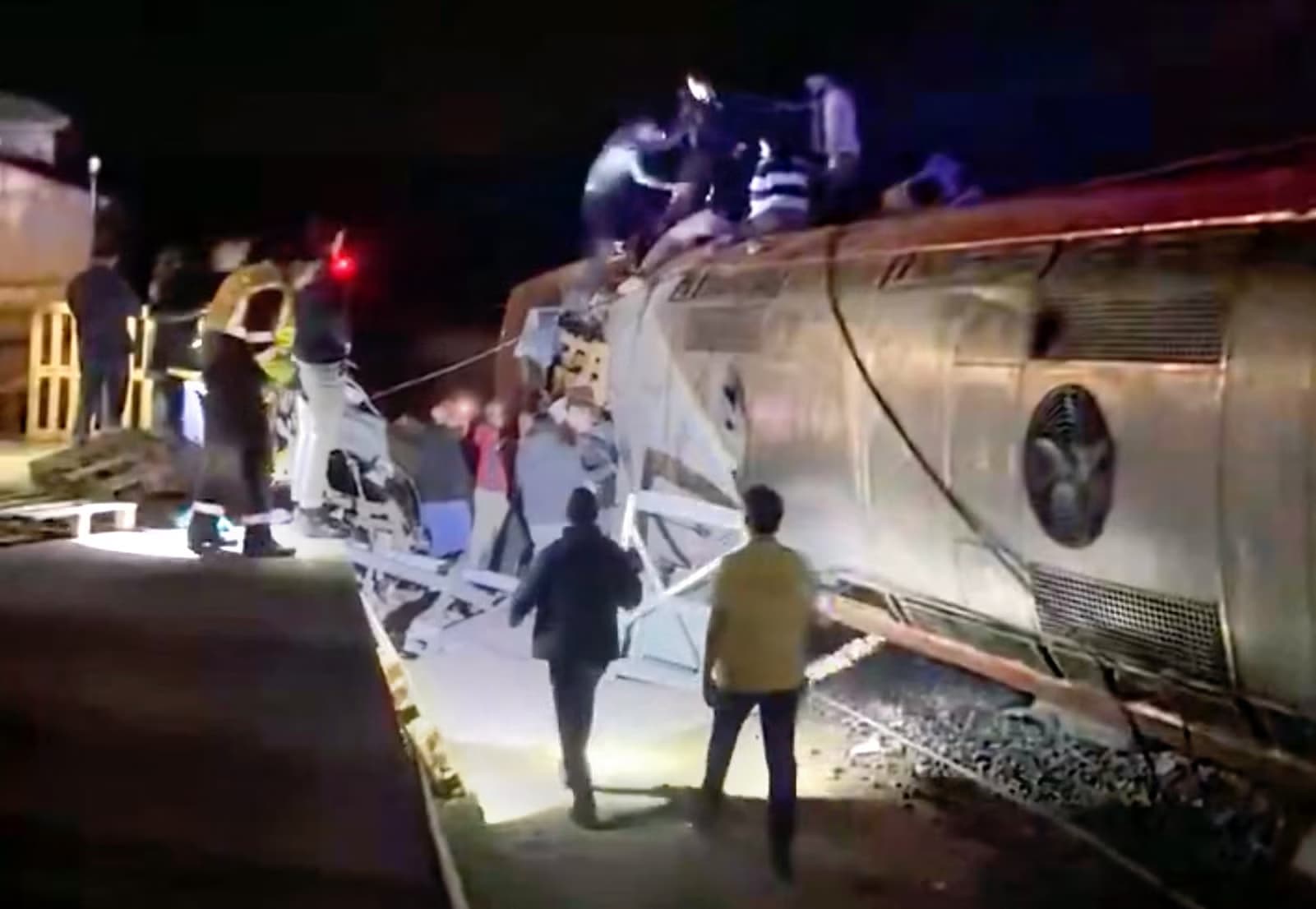
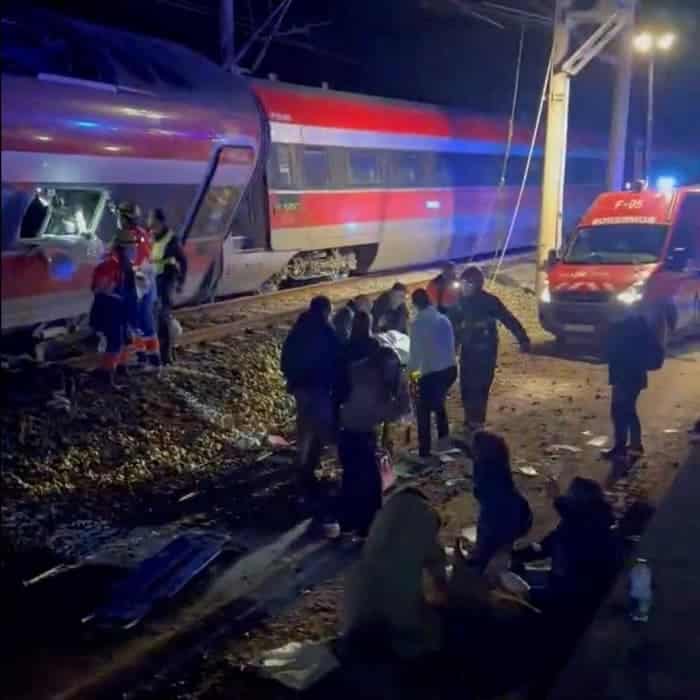
Train collision Spain occurred in January 2026 and triggered new discussions on high-speed railway infrastructure design. The incident highlighted the need to integrate engineering planning with physical safety measures to ensure the network can handle operational errors. This topic continues to be widely discussed on the architecture platform.
Infrastructure as a multi-level design system
High-speed rail systems rely on a framework that includes route planning, foundation layers, load distribution, and track separation. Designers treat these elements as part of architectural design for linear structures. Any failure in one component can escalate into a structural crisis, as research confirms. Train collision events illustrate the importance of resilient design.
Straight tracks and safety limits
The affected section had a straight track updated recently. Despite its stability, high speeds increase potential risks. Experts studying buildings note that these tracks require passive safety measures such as wider separation and energy-absorbing elements. Similar solutions appear in multiple projects in the archive.
Track separation as a design decision
Physical separation between opposing tracks represents a key architectural choice. Some networks achieve this through level differences or continuous barriers. Others rely on precise horizontal spacing. Designers consider these decisions in cities planning, where safety intersects with traffic density and regional expansion. Train collision analysis underscores this necessity.
Side slopes and material selection
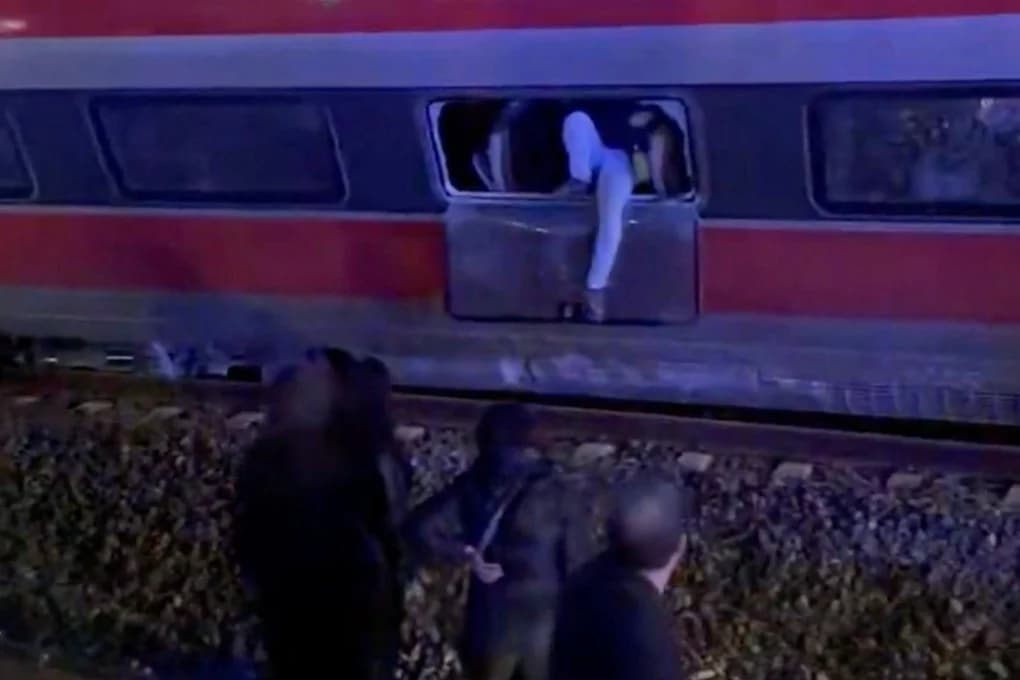
After the train collision, inspectors observed carriages leaving the track toward side slopes. This demonstrates the importance of building materials in lateral support. Material choice and construction methods affect the infrastructure’s ability to absorb energy and reduce losses. These factors remain critical in construction and long-term sustainability.
Physical design and digital control systems
Modern rail networks use advanced digital control systems. However, incidents like train collision confirm that physical design remains the last line of defense. Structural weaknesses increase the impact of technical failures. Analysts continuously study this balance in editorial reviews on public infrastructure.
Architectural Snapshot
Resilient transportation infrastructure absorbs errors before they escalate into structural failure
ArchUp Editorial Insight
Institutional protocols and operational pressures shaped the environment where the train collision occurred. Emphasis on speed optimization, risk avoidance, and tight schedules prioritized throughput over redundancy, creating a system where minor deviations could escalate into structural crises. Financing models favoring minimal CAPEX and rapid ROI reinforced tolerance for narrow safety margins.
Regulatory frameworks and approval hierarchies guided design decisions. Separation standards, barrier types, and track alignment rules were applied consistently, limiting alternative solutions. Liability concerns and insurance logic embedded defensive strategies into operations, favoring containment rather than proactive error absorption.
These decisions produced architectural outcomes: linear track layouts, constrained spatial buffers, and engineered slopes reflecting operational and regulatory priorities. Infrastructure geometry and energy dissipating measures are symptoms of systemic choices, not aesthetic intent. The built environment records the interaction of cultural risk aversion, economic pressures, and institutional repetition, revealing the probabilistic pathways leading to the collision.