Vagelos Laboratory for Energy at UPenn: A Sustainable and Collaborative Architectural Design


The Vagelos Laboratory for Energy Science and Technology is a multi-story research facility designed to bring together scientists and students in a shared space that fosters collaboration across disciplines and emphasizes sustainable energy research.
Site and Urban Integration
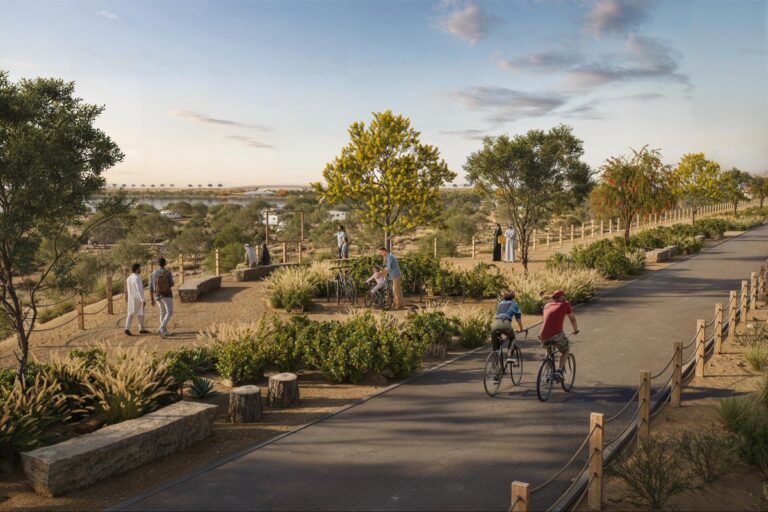
The building is located on the eastern edge of the campus, replacing a former surface parking lot with a pedestrian-friendly gateway. Outdoor plazas and landscaped areas feature native plant species and natural stormwater management systems, creating a green, accessible environment that integrates seamlessly with the surrounding urban context.

Facade and Sunshading
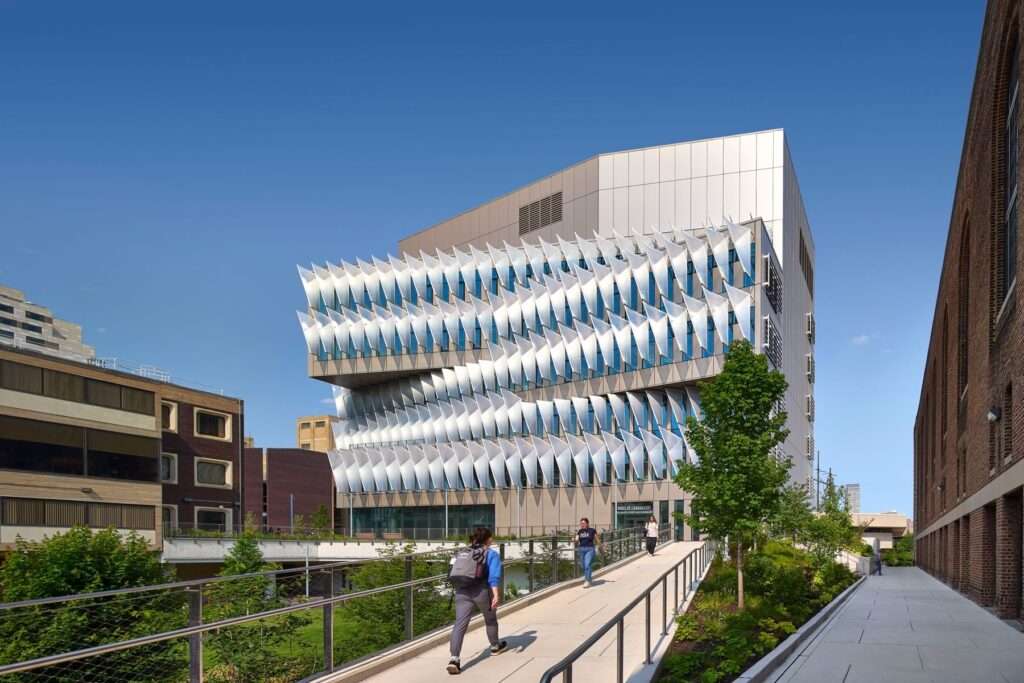
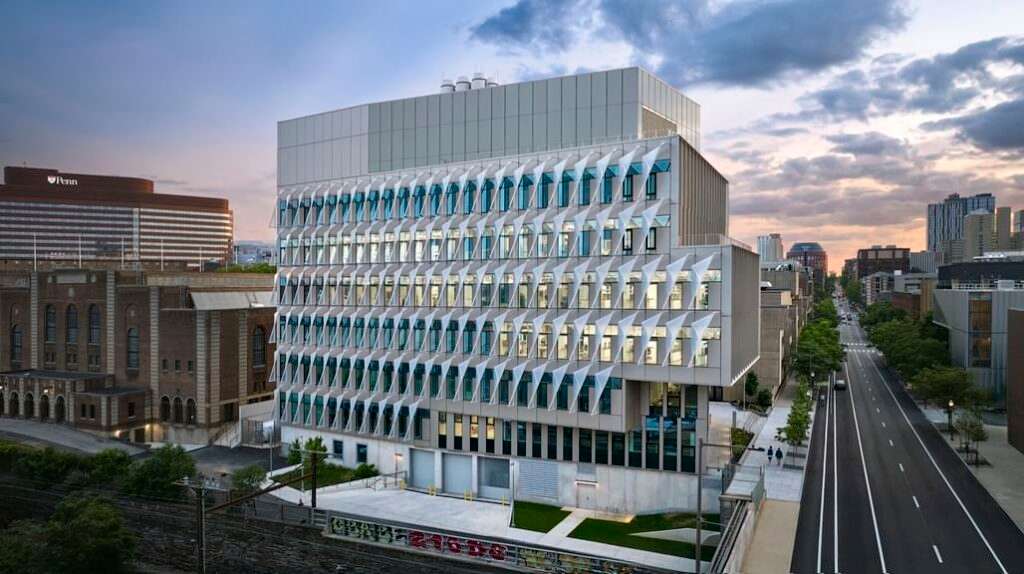
The building’s façades combine functionality with architectural expression. Triple-insulated glazing and operable windows provide comfort for occupants, with each façade oriented to optimize solar performance.
A standout feature of the design is the double-curved ETFE sunshading system, mounted on a steel frame and fully recyclable. These sunshades diffuse natural daylight deep into the interior while limiting solar heat gain, reducing cooling demands and supporting energy efficiency.

Interior Organization and Collaborative Spaces
The 110,000-square-foot layout facilitates collaboration, with spaces intentionally arranged to encourage interdisciplinary interaction. It houses advanced laboratories, including optics and chemistry labs, and a nuclear magnetic resonance suite, alongside workspaces, offices, and shared meeting areas.
Double-height spaces, terraces, open staircases, and small kitchenettes promote interdisciplinary interaction, while student-focused amenities provide dedicated areas for learning and collaboration.
Sustainability and Energy Efficiency
The building emphasizes low-energy strategies and sustainable performanceThe design minimizes laboratory airflow, allows natural ventilation for a significant portion of the year, and applies radiant heating and cooling in non-lab areas. An intelligent air monitoring system adjusts ventilation based on real-time indoor conditions, optimizing energy use and ensuring a healthy indoor environment.
✦ ArchUp Editorial Insight
The Vagelos Laboratory for Energy presents a multi-story architectural design emphasizing sustainability and collaborative use. Images depict triple-glazed façades with double-curved ETFE sunshades, diffusing natural daylight while reducing solar heat gain, while interior spaces include open staircases, terraces, and shared zones that encourage interdisciplinary interaction. Yet, does the façade adequately reflect the surrounding urban context? While the sustainability strategies are clear, the spatial experience remains somewhat constrained in certain interior areas. Overall, the project demonstrates a thoughtful integration of sustainable design with interactive spaces that support research collaboration.
Explore the Latest Architecture Exhibitions & Conferences
ArchUp offers daily updates on top global architectural exhibitions, design conferences, and professional art and design forums.
Follow key architecture competitions, check official results, and stay informed through the latest architectural news worldwide.
ArchUp is your encyclopedic hub for discovering events and design-driven opportunities across the globe.