When Design Fails: Does Everything Really Have to Succeed?


Reflections on the Value of Failure in Creativity and Design
Throughout my years following design and engineering projects, I’ve realized that failure isn’t just an end—it’s the start of a new story. I remember a major project once proudly announced, which quickly turned into what everyone called a complete failure. While many judged it harshly, I saw a valuable lesson that wasn’t obvious at first. This made me reflect deeply: is failure truly the end? Or is it an essential part of the creative journey?

Why Are We Afraid of Failure in Design?
In design, failure often carries a negative stigma linked to weakness or loss. But in reality, failure reveals truths and forces us to rethink and rebuild stronger. It’s not the enemy; it’s a tough but necessary teacher.
| Traditional Viewpoint | New Perspective |
|---|---|
| Failure ends the project | Failure begins the learning |
| Must be avoided at all costs | Part of the creative process |
| Source of frustration | Opportunity to discover something new |
Failure as an Unforgettable Teacher
Some of the greatest minds show us this best — like Thomas Edison, who failed thousands of times before lighting up the world with his invention. Failure isn’t simply stopping success; it’s an enriching experience that opens new horizons and ideas we never dreamed of.

Lessons Learned from “Failed” Projects
| Project Name | Apparent Failure | Lesson Learned | Future Impact |
|---|---|---|---|
| Tacoma Narrows Bridge | Collapse due to unexpected vibrations | Detailed study of wind effects | Improved bridge designs worldwide |
| Nokia’s Flexible Phone | Market rejection of the technology | Understanding user needs | Accelerated smartphone development |
| Windows Vista OS | Poor performance and negative reception | Major improvements in next versions | Global success of Windows 7 & 10 |
Can We Plan to Fail?
Sometimes, designers and artists intentionally embrace what’s called planned failure, allowing themselves to break away from norms and try ideas that seem doomed at first but ultimately open doors to innovation and out-of-the-box thinking.
In Conclusion
Failure is not an obstacle to avoid but a cornerstone of every real success. By embracing and learning from it, we become better creators and innovators. True success lies in knowing how to turn moments of failure into a powerful push forward.
✦ ArchUp Editorial Insight
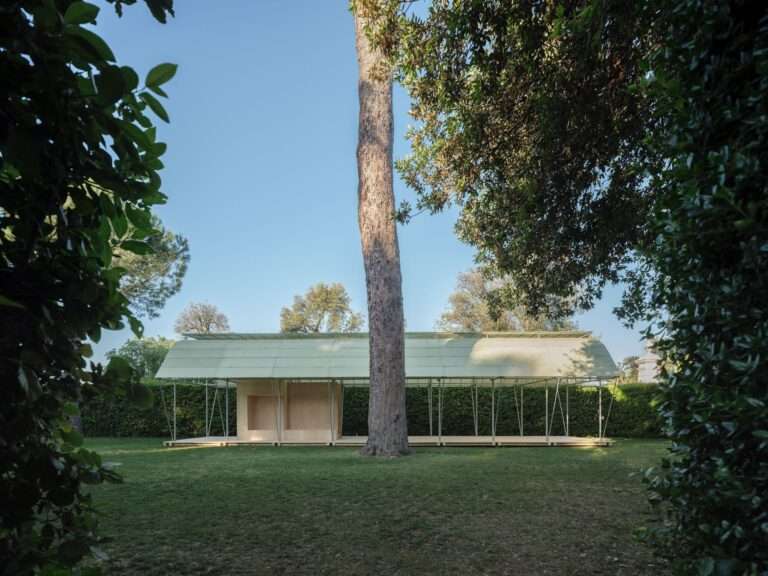
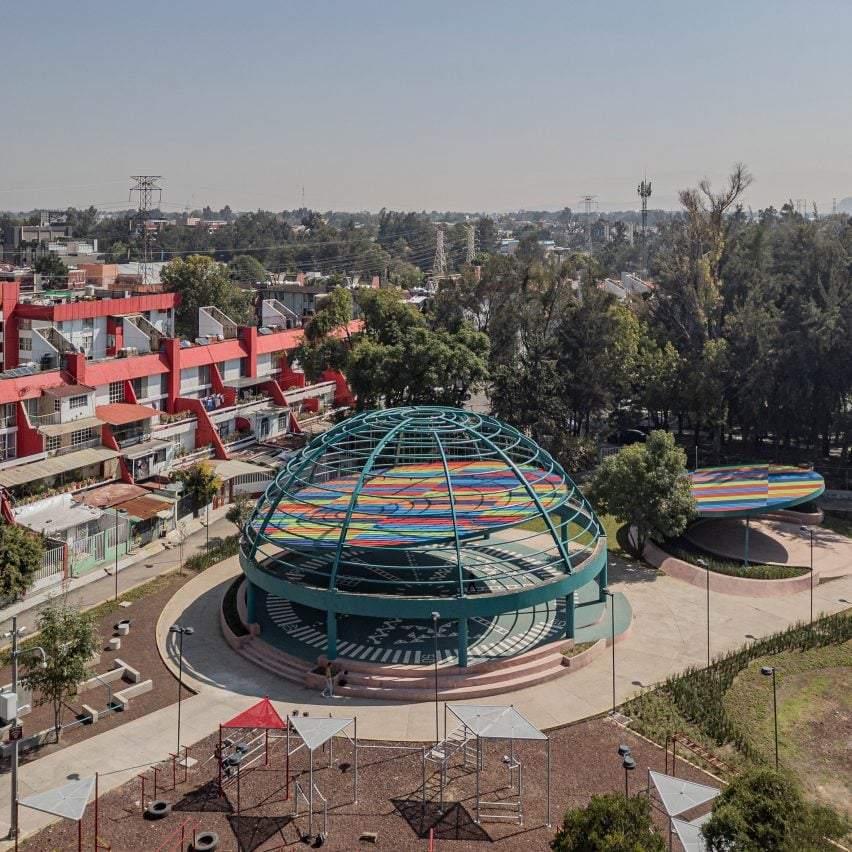
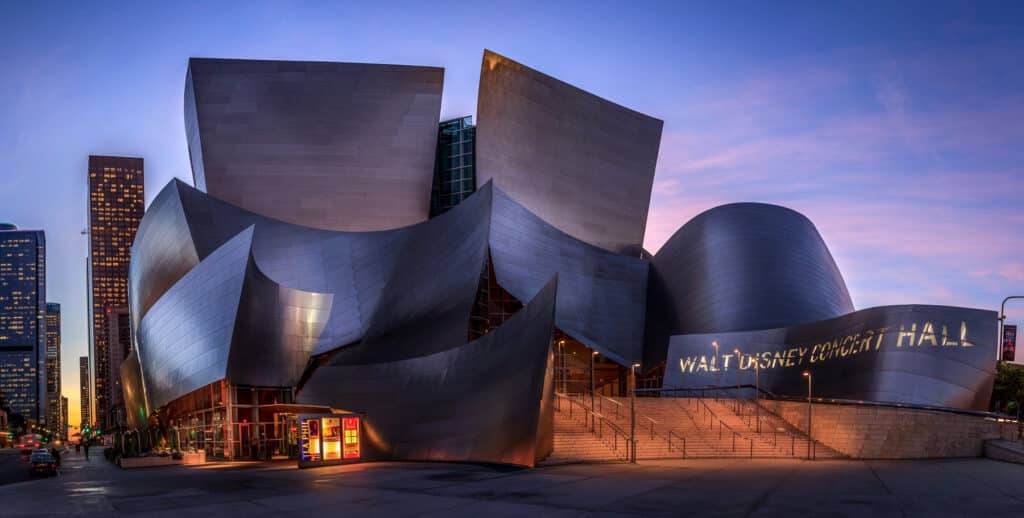
This article explores failure as an integral part of the design and creative process, emphasizing how failure can serve as a crucial step toward growth and innovation. The accompanying images showcase contrasting colors and intricate details that evoke conflict and unpredictability within projects. While the concept is compelling, questions remain about the article’s depth in addressing contextual dimensions of failure and its impact on sustainable design. Nonetheless, the piece adds important value by highlighting failure as an opportunity for learning and innovation, enhancing the understanding of design as a dynamic process shaped by experience.
Explore the Latest Architecture Exhibitions & Conferences
ArchUp offers daily updates on top global architectural exhibitions, design conferences, and professional art and design forums.
Follow key architecture competitions, check official results, and stay informed through the latest architectural news worldwide.
ArchUp is your encyclopedic hub for discovering events and design-driven opportunities across the globe.