Witoca Laboratory: Sustainable Architecture in the Amazon

Traditional vs. Alternative Laboratory Concepts
Most people tend to imagine laboratories as sleek, sterile spaces, often constructed from steel and glass, perched on university campuses or within modern tech parks. This perception contrasts sharply with laboratories designed to harmonize with natural environments and actual community needs, redefining architecture as a tool for contextual integration.
Nature-Inspired Design
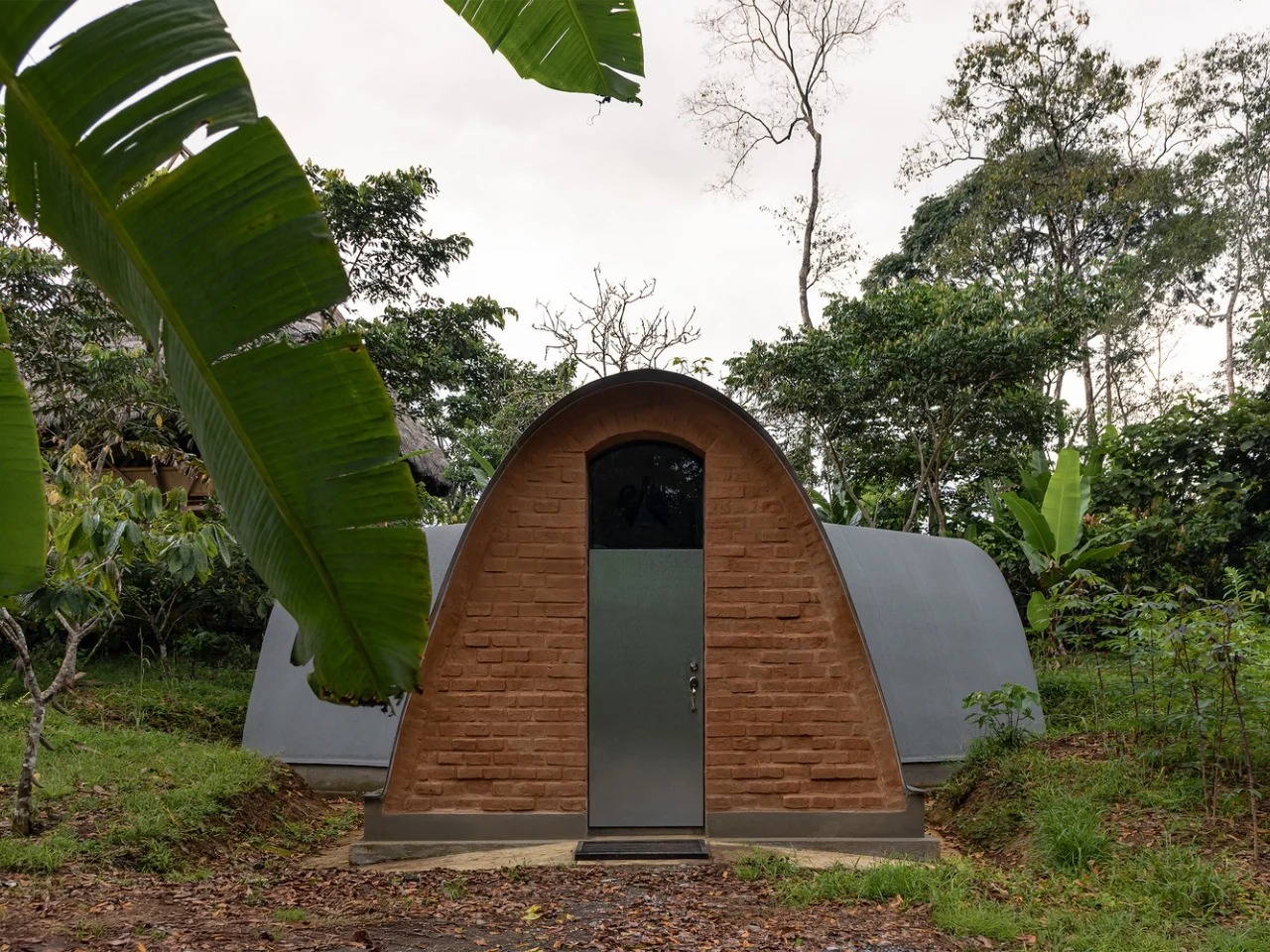
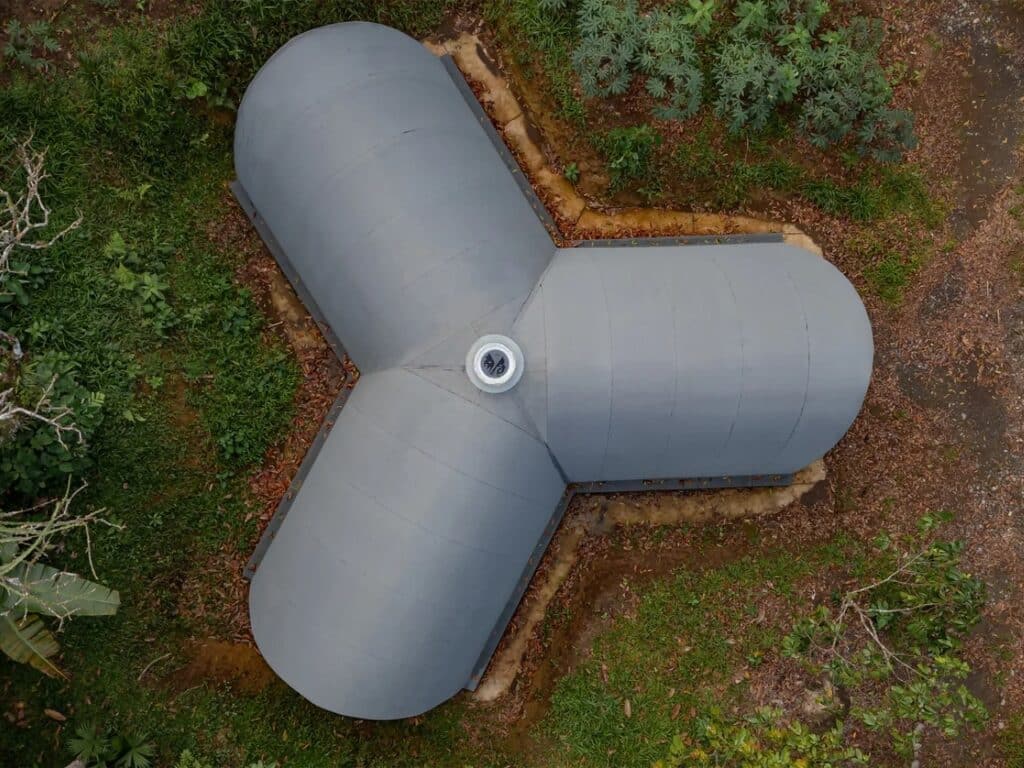
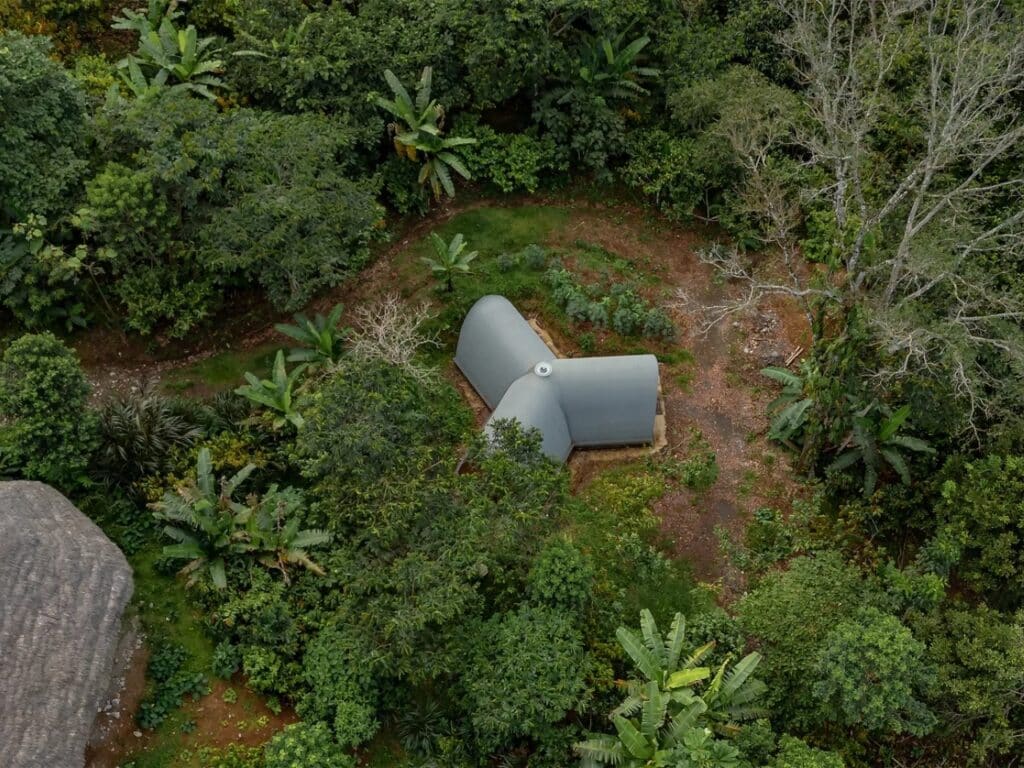
For example, the Witoca Laboratory in Ecuador is built from adobe and shaped like a three-pointed star. It sits quietly within the buffer zone of the Sumaco Biosphere Reserve in the Amazon rainforest, appearing as a natural part of its surroundings. This reflects the idea that the building “grew” with the site rather than imposing itself artificially, aligning with innovative design approaches.
Intentional Scale and Modesty
The laboratory is very small, covering approximately 46 square meters, giving it a modest appearance. Yet, this modesty is deceptive, as the design thinking behind the building reflects an advanced approach rooted in understanding the relationship between environment and community, far removed from any architectural exaggeration or luxury, often documented in projects that emphasize impact over scale.
Innovation in Sustainable Agriculture
The Witoca community, after which the laboratory is named, has focused its efforts on protecting coffee and cacao crops in the Amazon rainforest from pests, but it has adopted a different approach from conventional chemical pesticides. Instead, natural microorganisms are used to automatically limit the damage caused by pests, serving as a practical example of sustainable biological agriculture often explored in research.
The Laboratory as a Bioresearch Hub
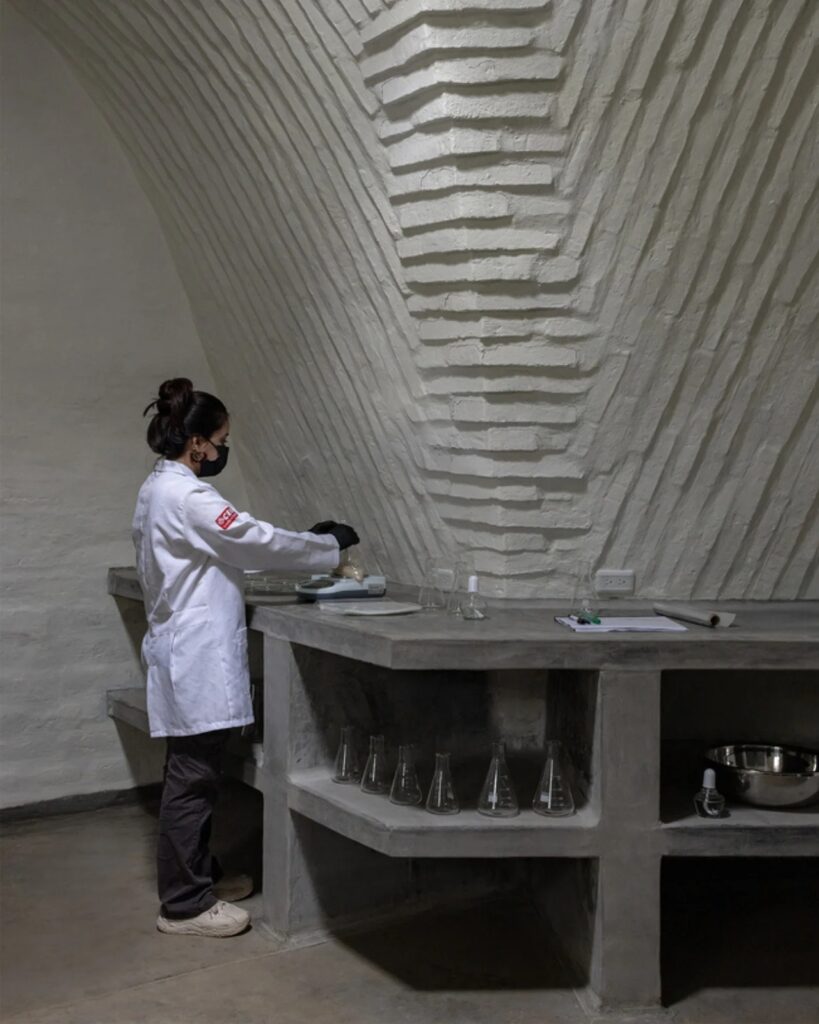
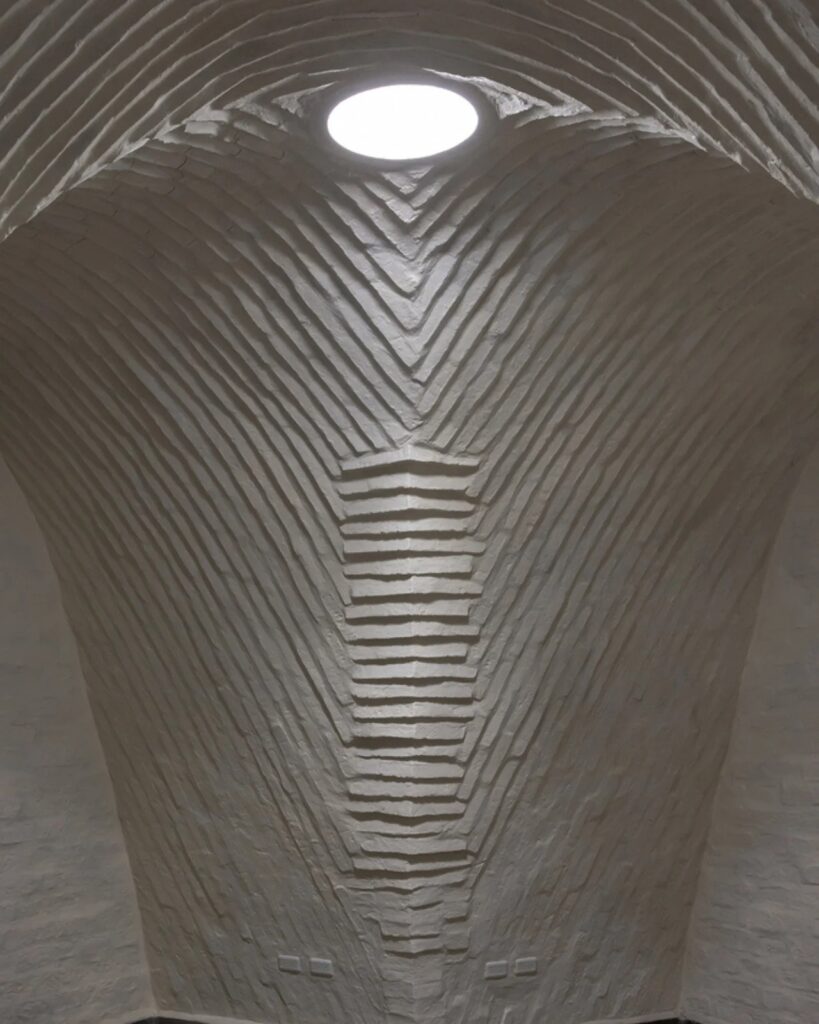
The laboratory functions as a dedicated space for cultivating these microorganisms under biosafe conditions, being completely sealed to prevent any external contamination. The engineering design of every internal and external element reflects this purpose, from the vaulted adobe walls to the tightly sealed doors and windows, ensuring a stable and reliable environment for conducting experiments within advanced buildings.


Adobe as an Innovative Choice in Scientific Research
Adobe is not typically associated with scientific research, and this contrast between a traditional material and advanced laboratory functions gives the project its unique appeal. The choice to use local soil reflects a desire to leverage available resources while respecting the surrounding environment, aligning with sustainable building materials.
Traditional Construction Techniques Serving Modern Science
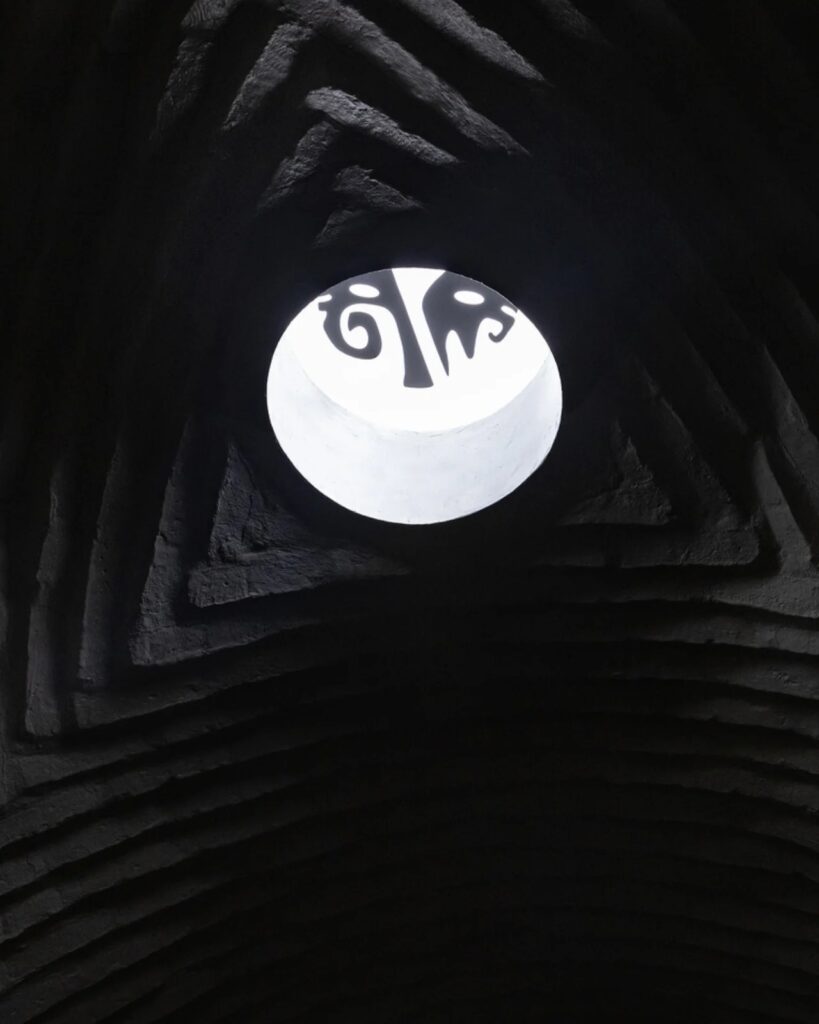
A vaulted construction technique was adopted, created without the need for conventional molds, and this method was developed in collaboration with a specialized structural engineer. The vault system draws on techniques derived from Bolivian adobe construction, adapted to meet the specific requirements of a biosafe laboratory, contributing to advancements in construction methods.
Balancing Authenticity and Function
What distinguishes the project is the integration of traditional building logic with advanced scientific functions, without compromising either. The result is a laboratory that harmonizes environmental sustainability with strict technical needs, making it a rare example of scientific building design aligned with the local context and frequently featured in architectural news.
Y-Plan Design: Integrating Function with Nature
The use of a Y-shaped plan represents a smart design move. Each wing of the building radiates from a central point, giving the structure balance and clear functions, while simultaneously appearing natural and organic, as if it is part of the landscape rather than imposed upon it, reflecting thoughtful interior design and spatial planning.
Sense of Place and Community Impact
This integration between design and environment reflects a deep understanding of the building’s relationship with its site. The Witoca Laboratory demonstrates how architecture can actively support the community by providing a sustainable research space that aligns with the natural context and tangibly meets the needs of local residents in remote cities and regions.
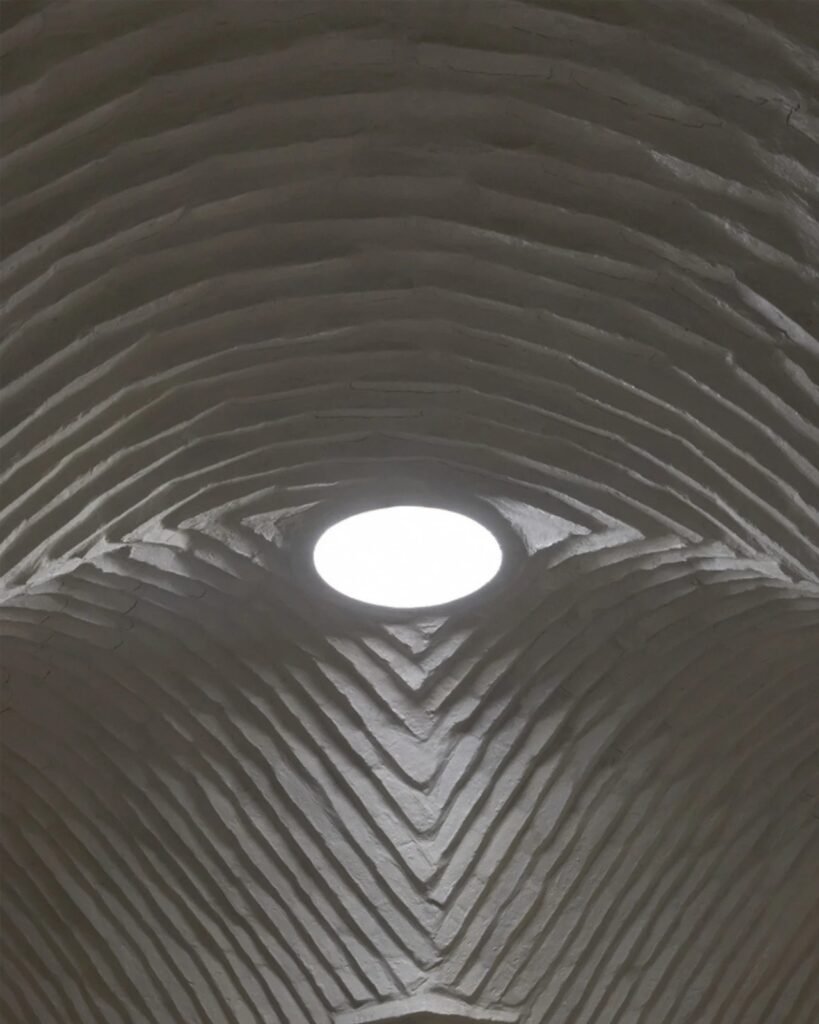
The Community-Oriented Purpose of the Laboratory
The community dimension of the laboratory is of paramount importance. It was not created for display or attention, but to meet the needs of the Witoca people by enabling them to protect their land and livelihoods more actively and independently. The laboratory serves as a practical tool to enhance the community’s capacity to manage its resources directly and effectively, often discussed within discussion platforms.
Multi-Stakeholder Collaboration
Although coordinating multiple stakeholders can be complex in practice, the project demonstrates how cooperation between local communities and national and international institutions can yield successful outcomes. Such multi-layered partnerships provide financial and technical support and ensure the sustainability of initiatives aimed at environmental and social development, similar to case studies found in the archive.

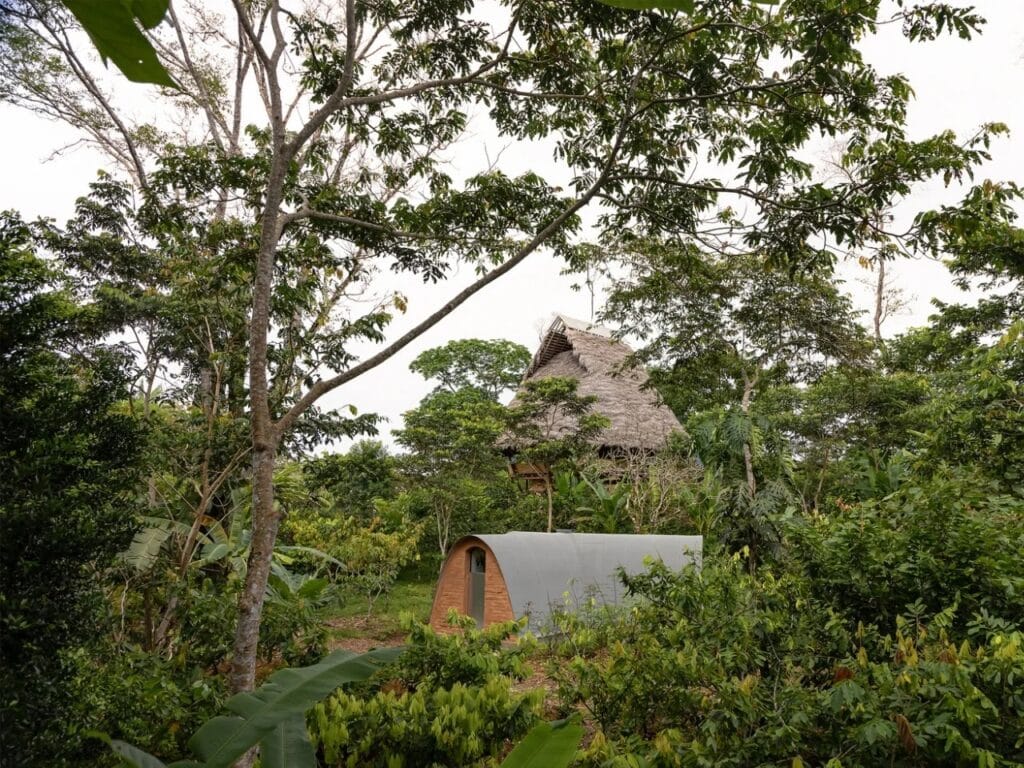
Rethinking Architectural Sustainability
In current architectural discussions, the concept of “sustainability” is often reduced to solar panels or green building certifications such as LEED. Yet the Witoca Laboratory raises a deeper question: what does it truly mean for a building to be part of its environment and serve local residents in a direct and practical way?
Building as Part of Place and Community
The project demonstrates that sustainability is not about appearances or awards, but about the cohesion between design and environment, and the use of local resources to support the needs of the people living in the same place. This vision makes the laboratory a powerful example of architecture that genuinely serves the community, free from any promotional or marketing considerations, and worthy of inclusion in top news.
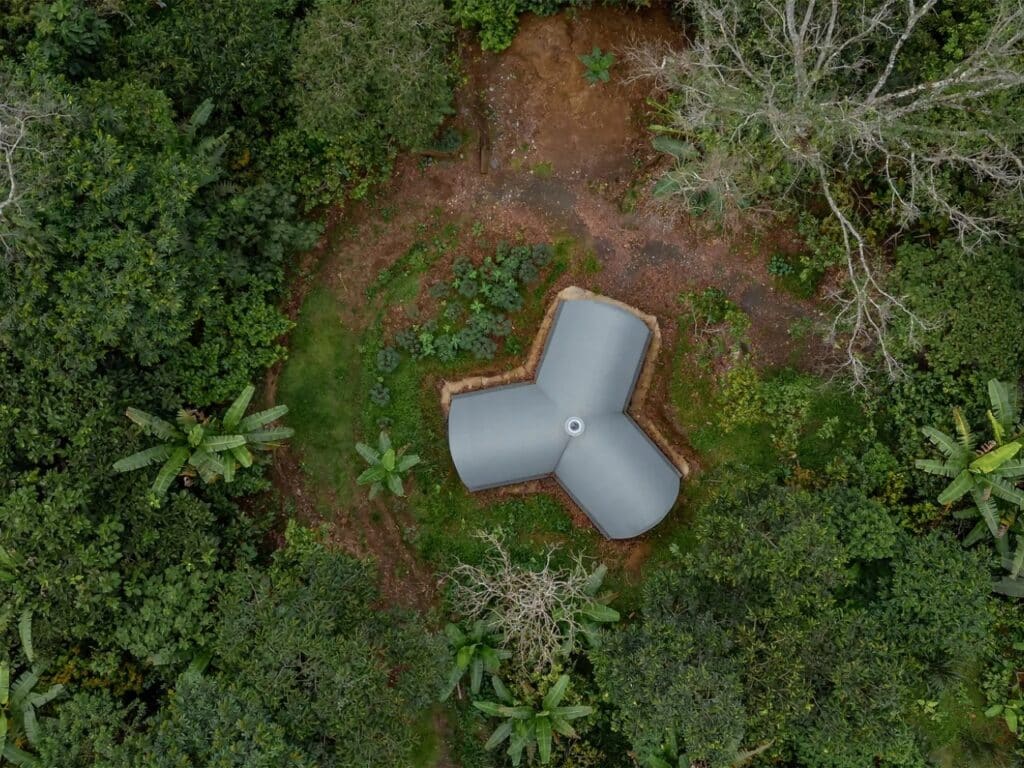
Architecture Between Form and Function
Architectural attention often focuses on projects with dramatic visual appeal or ambitious technical feats, which is understandable. However, the true value lies in buildings that address real community problems, where form and function integrate seamlessly to serve their purpose without pretense or exaggeration.
Witoca Laboratory: Intelligence in Simple Design
The Witoca Laboratory exemplifies this approach. Built from mud, it hosts microorganisms beneficial for sustainable agriculture, making it an intelligently designed project that integrates environmental and scientific considerations. The project demonstrates how architecture can be both effective and inspiring, emphasizing community and functional value over flashy appearances.
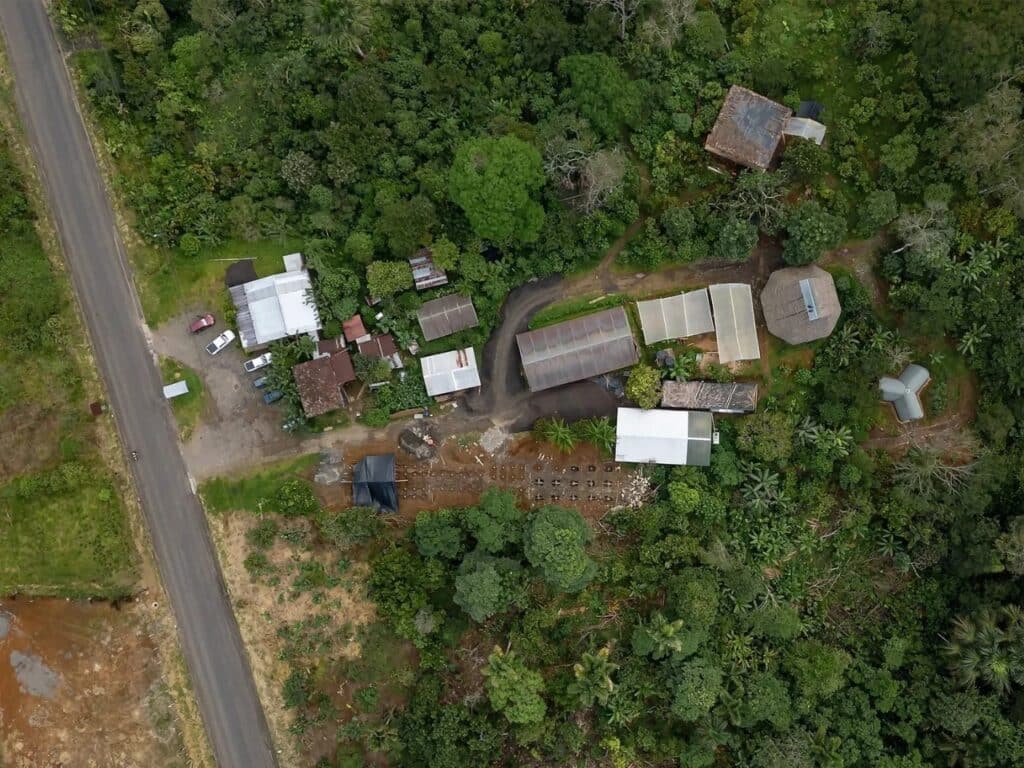
✦ ArchUp Editorial Insight
The emergence of the Witoca Laboratory is a direct result of intersecting flows of local agricultural capital, biosafety requirements, and development grants administered under multi-level institutional oversight. Regulatory frictions, such as biosafety certifications, workforce deployment in remote areas, and constraints on sourcing local materials, drove the adoption of adobe construction and the Y-shaped modular spatial outputs, contributing to evolving construction strategies.
The final configuration emerges as an integrated spatial package that balances biosafety containment requirements, operational efficiency, and reduced reliance on transportation, while stabilizing the flows of local human and laboratory units. Here, spatial function is less about individual design intent and more the spatial residue of risk management protocols, financial conditions, and environmental conservation incentives, often explored in research. This makes the apparent integration of the building with the Amazon buffer zone an indicator of the procedural and financial structures that rendered the laboratory inevitable.