Xingwang Theater Project: Redefining the Relationship Between Historical Heritage and Contemporary Experience

Transforming Historical Buildings: Between Preservation and Innovation
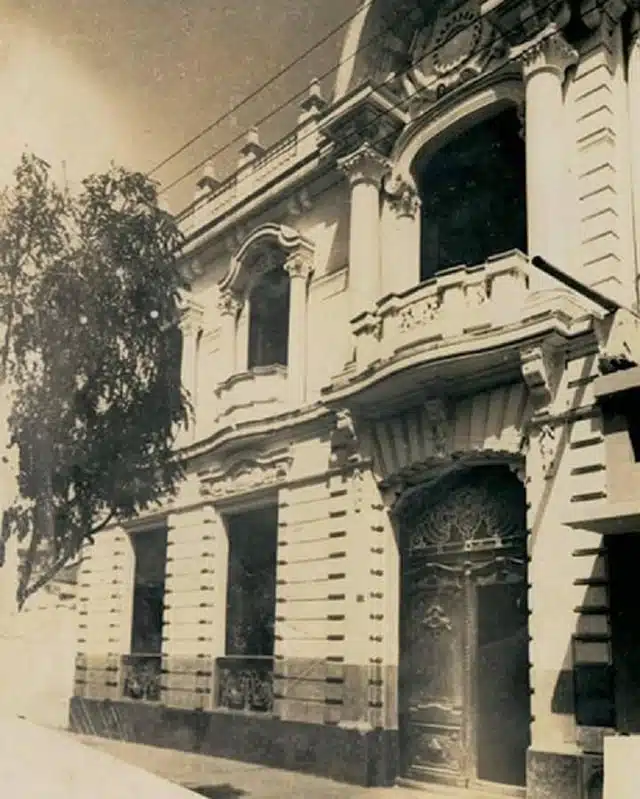
Old sites often carry rich architectural stories, such as factories or industrial facilities that have been converted into cultural spaces. An example of this is a building that was once used for silk production, later transformed into a multi-purpose theater capable of hosting traditional theatrical performances and medium-sized conferences.
Architectural Renovation Strategies
When renovating historical buildings, architects often face two main options: completely redesigning parts of the structure or attempting to preserve the building’s original form as much as possible. Each choice reflects a different philosophy toward history and the building’s contemporary function.
Innovation in Renovation: Beyond the Traditional Binary
Some seek to go beyond this traditional divide between preservation and redesign by integrating historical elements with contemporary life within the building. In this context, artistic and literary experiences can be drawn upon to enhance the cultural character of the space, giving the old building a new “artistic life” without losing its historical depth.


Blending Tradition and Modernity in Art and Architecture
Tang Bohu is renowned for his skill in naturalistic painting and figure painting. Traditional naturalistic paintings tend to use monochromatic tones, while figure paintings are characterized by vibrancy and rich colors. This contrast presents an opportunity to reinterpret architectural spaces from an innovative visual perspective.
Creating a New Visual Language
By integrating bright colors inspired by figure paintings into natural scenes, architects or designers can create a modern visual language that preserves classical elegance while giving the space a sense of modernity and vitality. This approach reflects the ability of architectural spaces to combine history and contemporary creativity in a harmonious way.
Symbolism in Design
Some architectural elements, such as unconventional columns or designs inspired by painting tools, serve more than just structural support. They carry symbolic meanings, reminding visitors of artistic heritage and adding a cultural dimension to the visual experience of the space, thereby enhancing the interaction between history and contemporary art.


Theater Design: Interaction Between Time and History
The theater designed here follows an I-shaped (工) layout, departing from traditional stage configurations, with the aim of creating a temporal experience that connects the present with the late Ming Dynasty era. This arrangement allows the audience to feel as if they are walking through a “time tunnel,” exploring the life and cultural experience of the artist Tang Bohu directly.
Navigating Historical Constraints
The designers faced challenges related to historical preservation laws in the area, such as the impossibility of removing the central column. To address these constraints, the column was integrated into the design using dark wooden cladding, making it part of the theater’s visual language without hindering functionality.
Functional Flexibility
Some seating areas were modified to allow standing spaces, enhancing the venue’s flexibility and accommodating different types of performances. This approach reflects the capacity of architectural design to adapt to practical needs while preserving the historical and cultural character of the space.


Spatial Organization and Floors
On the ground floor, the undulating mountain shadows rendered in ink wash style form a backdrop that enhances the theatrical atmosphere, adding a dramatic visual dimension to the space. On a practical level, the floor includes essential facilities such as the ticket office and bar, while the opposite side houses the dressing rooms.
Upper Floor and Technical Functions
The second floor contains the control room, with an external staircase on the north side leading to the roof, providing seamless access to the upper areas. This organization reflects a balance between the operational needs of the theater and its architectural aesthetics.
Structural and Material Treatment
Advanced strategies were applied to treat the existing concrete structure, the new mezzanine, and decorative elements, highlighting the contrast between rough and polished textures. This contrast enhances the sensory perception of the space and adds a layer of visual depth. For reference on materials, see Material Datasheets.
Integrating Aesthetics and Functionality
The design includes precise integration of mechanical systems, theater equipment, and lighting layouts, ensuring the mezzanine maintains an optimal ceiling height. This approach guarantees a balance between functionality and spatial harmony, making the space practical and comfortable while reflecting the artistic and cultural character of the theater.

Landscape and Visual Spaces
The design focuses on creating front-facing landscapes using a metal mesh, forming ethereal mountain shadows that sharply contrast with the solid, metal-clad mountain shapes in the background. These contrasts enhance visual depth and add a dramatic dimension to the space as visitors approach the building.
Entrance as a Focal Point
At the entrance, the negative space resembling a mountain transforms into a visual focal point for the theater, framing visitor movement and guiding them into the world of the performance. This clever use of space demonstrates the ability to direct attention in a smooth and natural manner, enhancing the interactive experience between the audience and the space.
Threshold Composition and Interactive Pathways
Due to the building’s proximity to a fire station, the new structure was repositioned toward the north, creating a threshold area with a gray tone that guides visitors toward the interactive zone beneath the protruding roofs. This arrangement reflects careful attention to movement flow and the placement of elements in a way that promotes interaction between users and the space.
Terrace as an Experimental Element
The second floor includes a terrace situated among the peaks, offering a moment of relaxation and a visual illusion that makes visitors feel as if they are standing amidst the mountains. This design enhances immersion in the theater experience and creates a visual bridge between the past and present from the very first encounter with the building.


Curtain Wall and Material Treatment
The metal curtain wall relies on four variations of panels differing in color and thickness, creating visual diversity without compromising the overall unity of the design. The panels are strategically arranged in a V-shape at the interior and exterior corners, addressing complex intersection challenges in a coherent and seamless manner.
Employing Visual Rhythm
On the roof, a trapezoidal metal mesh frame surrounds the space, echoing the layered lines of the mountain façade in a repetitive and subtle way, creating a visual rhythm that extends beyond the building’s edge. This approach reflects careful attention to façade details and the connection between the building and its natural surroundings, enhancing a comprehensive viewing experience of the space.

✦ ArchUp Editorial Insight
The Xingwang Theater project can be viewed as a case study reflecting efforts to repurpose historical buildings and integrate heritage with contemporary elements. On the positive side, the project offers a rich visual experience and merges architecture and art in a way that demonstrates the potential of old spaces when thoughtfully reimagined.
However, some reservations emerge when evaluating the project from a broader architectural perspective. Complex spatial arrangements, such as the central column that remained despite being a restrictive element, or modifications of seating into standing areas, may indicate organizational constraints affecting operational flexibility. Similarly, the abundance of visual layers and intricate rhythms on the façades may complicate building maintenance or affect the clarity of the architectural language for the average visitor.
Despite these reservations, the project can serve as a valuable lesson for architects and architecture students in dealing with architectural heritage, legal constraints, and spatial-visual experience. By observing how new functions are integrated with existing structures, strategies can be drawn to inform future adaptive reuse projects, emphasizing a balance between functionality, heritage, and visual language.