Home » News » 3D-Printed Furniture by Johannes Steinbauer

3D-Printed Furniture by Johannes Steinbauer

3D-Printed Furniture by Johannes Steinbauer أثاث مطبوع ثلاثي الأبعاد من تصميم يوهانس شتاينباور

3D-Printed Furniture by Johannes Steinbauer

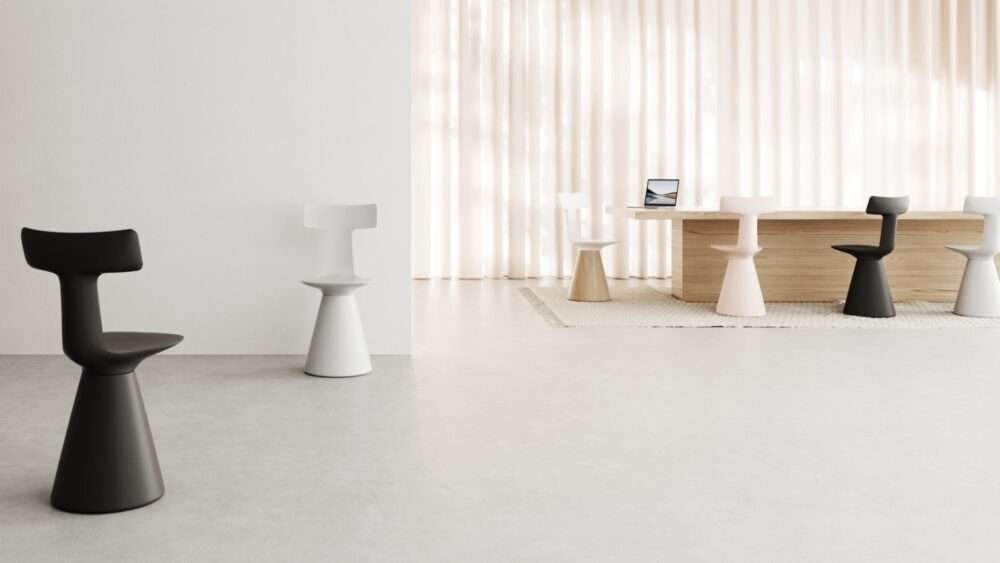
OECHSLER’s innovative manufacturing technique for seating furniture, designed by the German designer Johannes Steinbauer Office for Design, defines an unprecedented approach to cushioning, providing design flexibility and hybrid features in one print.

With the help of additive manufacturing (3D printing), fabrics, springs, and foam layers can eliminate without losing comfort.

To stabilize parts of the seating, rigid prints serve as a substitution for racks.

Adding other printed components, for example additional racks or textiles, the appearance of the chair can easily change, offering a whole new variety of design perspectives.

All components can be dismounted and separately disposed of to be recycled.

 

Finally, Read more on Archup:

Further Reading From ArchUp

  • Marc Goodwin’s Lens Reveals Belgium’s Architecture Offices

    Architectural photographer Marc Goodwin has documented the atmosphere inside a series of studios across Antwerp, Brussels, and Ghent. This is…

  • |

    Polish Riverside Home Blends into Natural Slope, Wins 2025 SARP Award

    In a powerful example of nature-conscious architecture, House in the Slope has been awarded the 2025 SARP Award for Single-Family…

  • SHoP Architects Designs Brooklyn’s First Giant Skyscraper

    SHoP Architects Designs Brooklyn’s First Giant Skyscraper,SHoP Architects has shared the latest images of their mixed-use project, called Brooklyn Tower,…

  • Arfinio: a super lightweight yet durable material

    Materials & SurfacesThis injection molding technology creates super lightweight yet durable materialsCovestro and Arcesso Dynamics have successfully pioneered a groundbreaking manufacturing solution that employs reaction injection molding (RIM) on aliphatic polyurethanes, an achievement once deemed unattainableNot all “plastics” are made alike. Occasionally, research and industry come together to generate an innovative material outperforming those which

Leave a Reply

Your email address will not be published. Required fields are marked *