Abu Dhabi Sphere: $1.7 Billion Yas Island Landmark Approved

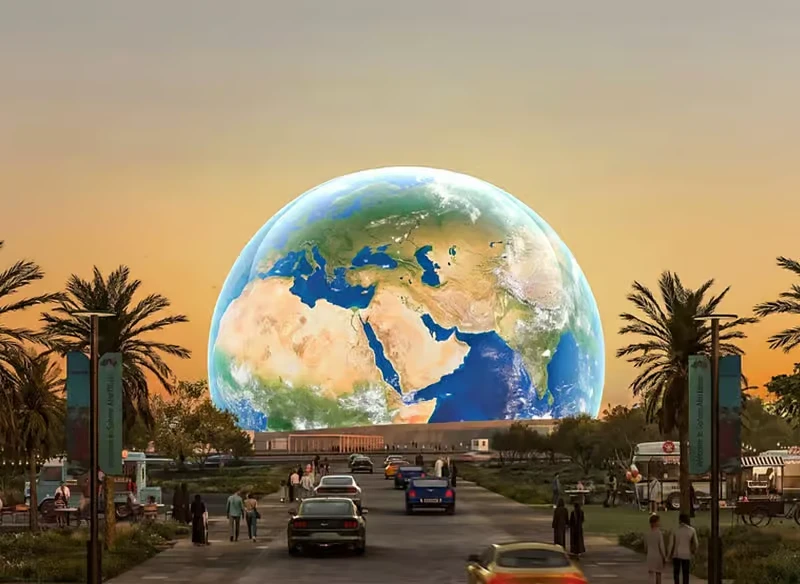
Abu Dhabi approved a $1.7 billion spherical venue for Yas Island. Therefore, the UAE will host the first global expansion of the immersive architecture concept outside the United States by 2029.
Strategic Location and Immative Technology
The massive structure will occupy a prime site between Yas Mall and SeaWorld. Moreover, this strategic placement integrates the venue into an established urban planning network. The project will accommodate up to 20,000 guests. Furthermore, advanced systems include giant wraparound LED displays and multi-sensory technology. Consequently, the venue transforms traditional buildings into dynamic digital interfaces.
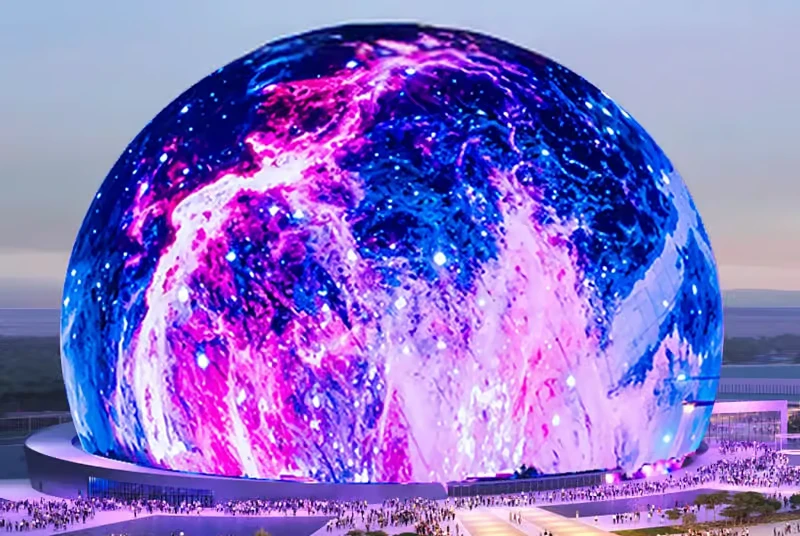
Programming the Exosphere
Operators will host immersive experiences, international concert residencies, and large-scale brand launches. Meanwhile, the exterior Exosphere will showcase Emirati culture and local artists. Therefore, the digital facade operates as a visual storytelling device for the UAE audience. This approach merges building materials with digital media seamlessly. However, the system requires immense operational precision to maintain continuous public engagement.
Economic Diversification and Tourism Impact
Tourism analysts predict the venue will significantly increase international visitor numbers. The project strengthens Abu Dhabi as a global entertainment destination. Furthermore, the development will support sustainability across hospitality, retail, and transportation industries. Experts believe the construction phase will create thousands of jobs. Therefore, the venue functions as an economic catalyst for the emirate.
A Quick Architectural Snapshot
A $1.7 billion immersive venue holding 20,000 guests. The exterior Exosphere digital display merges architecture with media. Located on Yas Island, it targets construction completion by 2029. Read more news here.
✦ ArchUp Editorial Insight
Architecture operates as a symptom of economic strategy rather than pure form. Abu Dhabi deploys monumental buildings to accelerate its transition beyond oil revenues. The spherical typology directly responds to market forces demanding hyper-immersive, spectacle-driven tourism. Furthermore, the Exosphere reflects a behavioral shift where facades function as advertising infrastructure rather than static enclosures. Placing this structure on Yas Island leverages existing urban planning investments to maximize immediate financial returns. Meanwhile, the massive financial risk highlights the pressure on emirates to compete globally. Therefore, the design prioritizes technological impact over spatial subtlety. This project is the logical outcome of economic diversification mandates + global tourism competition + immersive digital consumerism.