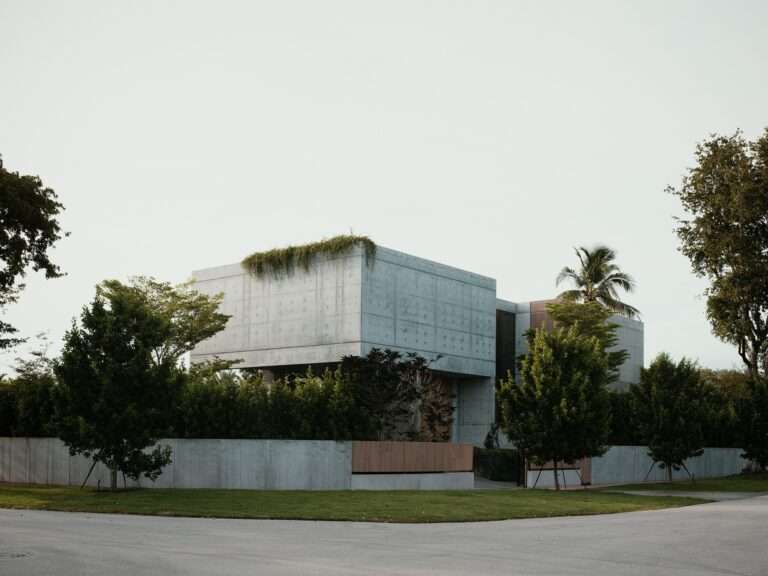
Scala-Mare: Coastal Housing and Horizontal Urban Regulation

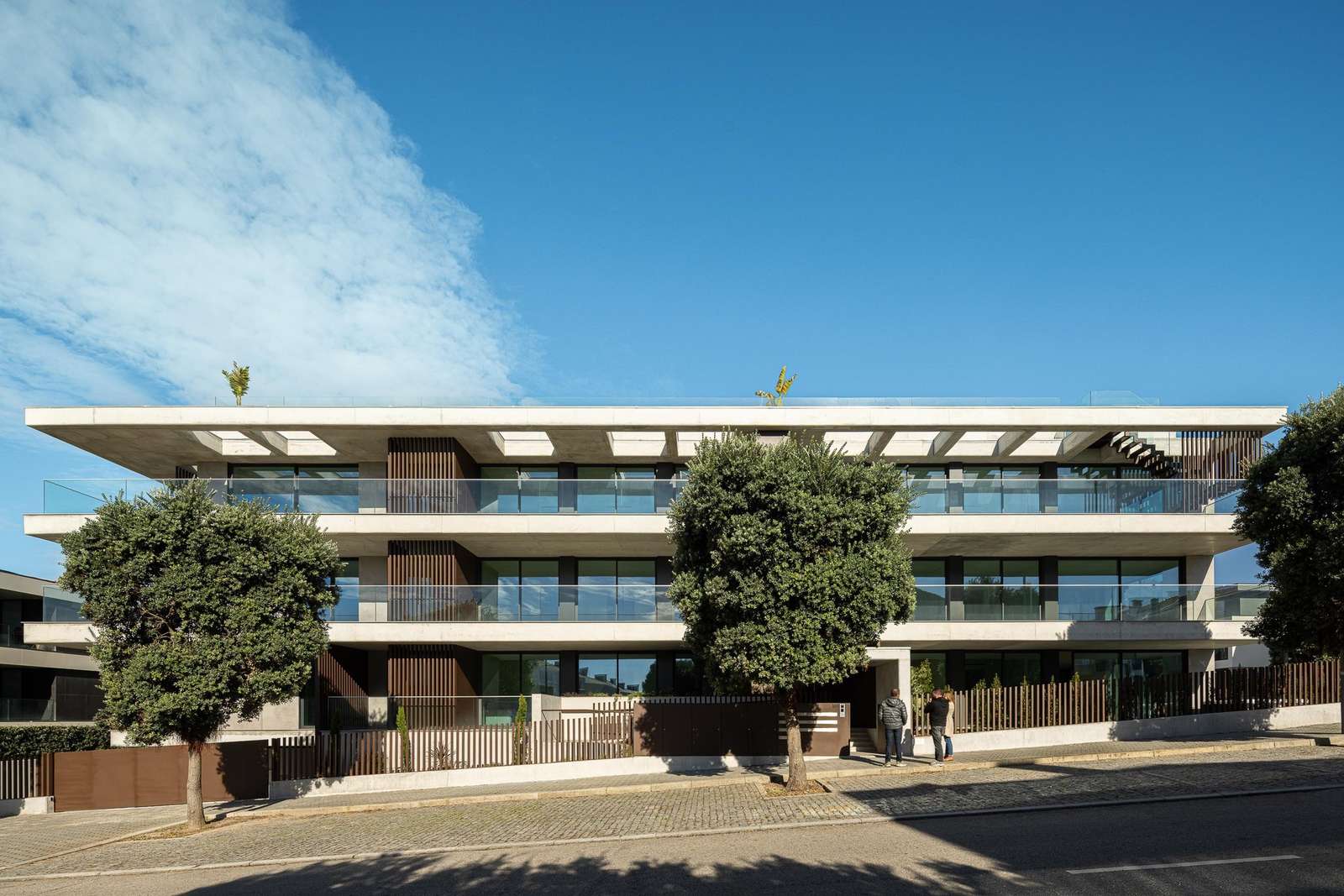
Site and Urban Context
Scala-Mare Building is located on the waterfront near Canide and Sereia beaches in Canidelo, Vila Nova de Gaia. The site benefits from strong sun exposure and direct sea views, as well as easy connectivity to the city of Porto, placing the project within both an urban and coastal context simultaneously.
Regulatory Constraints and Massing Formation
From the outset, the project was shaped by constraints related to land subdivision and planning regulations. As a result, a horizontally oriented design approach was adopted for the building massing. These constraints played a decisive role in defining the overall form of the building and its orientation within the site.


Functional Organization and Environmental Integration
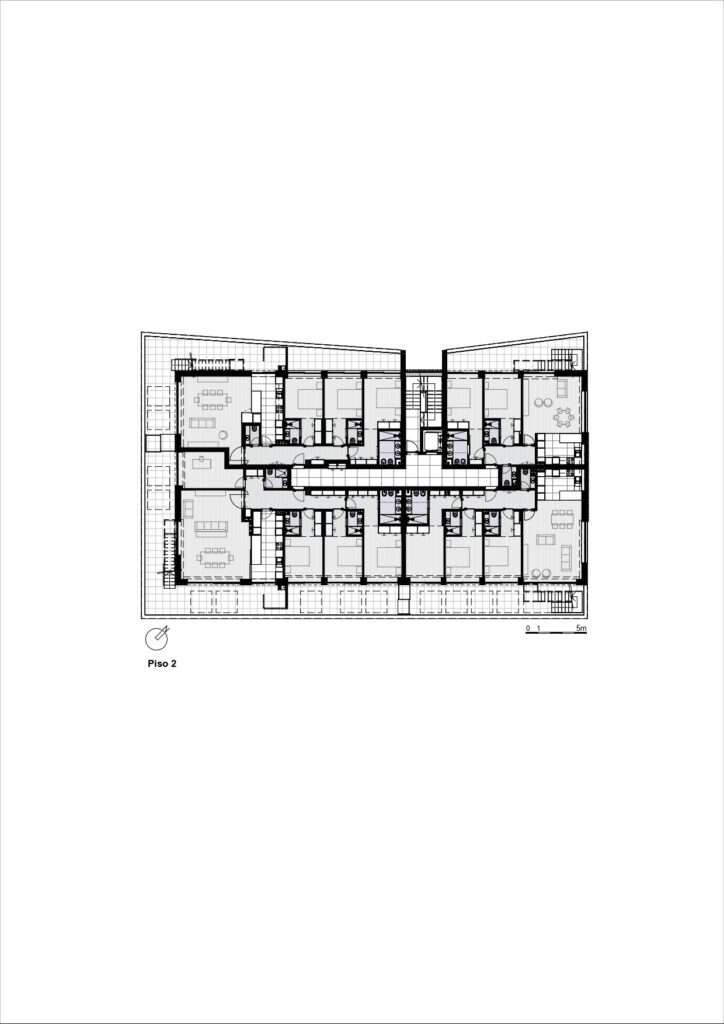
The internal layout focuses on maximizing solar orientation and sea views, organizing 12 apartments ranging from T2 to T3 and T4 typologies, distributed across three floors. The design also aims to achieve a balanced integration with the surrounding environment, maintaining a clear architectural presence without detachment from the natural context.
Balconies and the Indoor–Outdoor Relationship
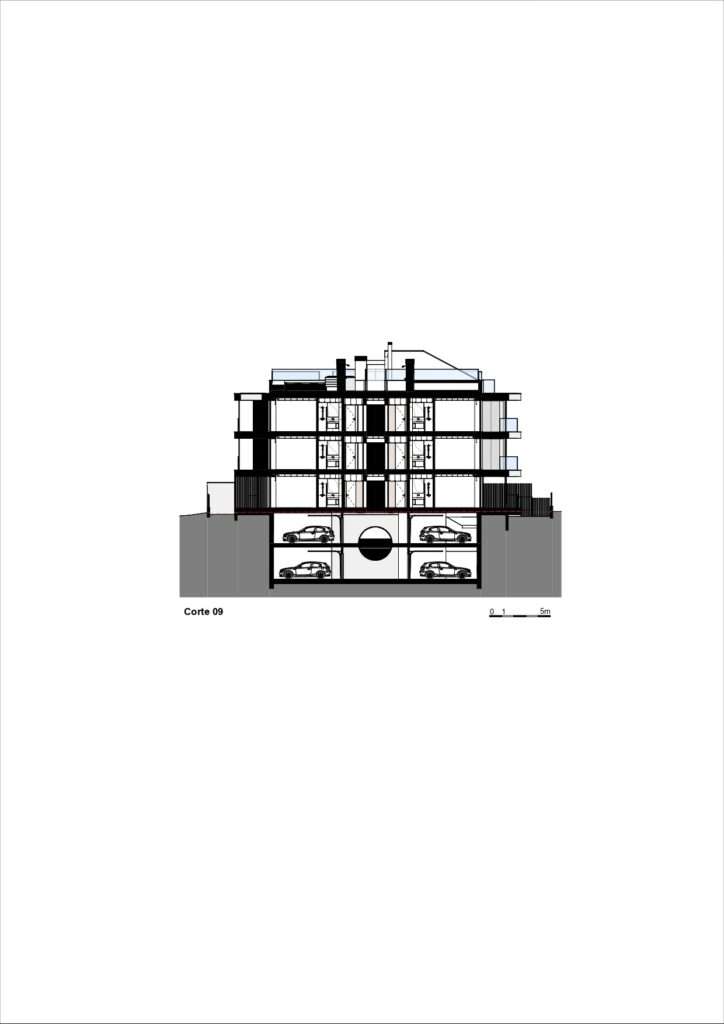
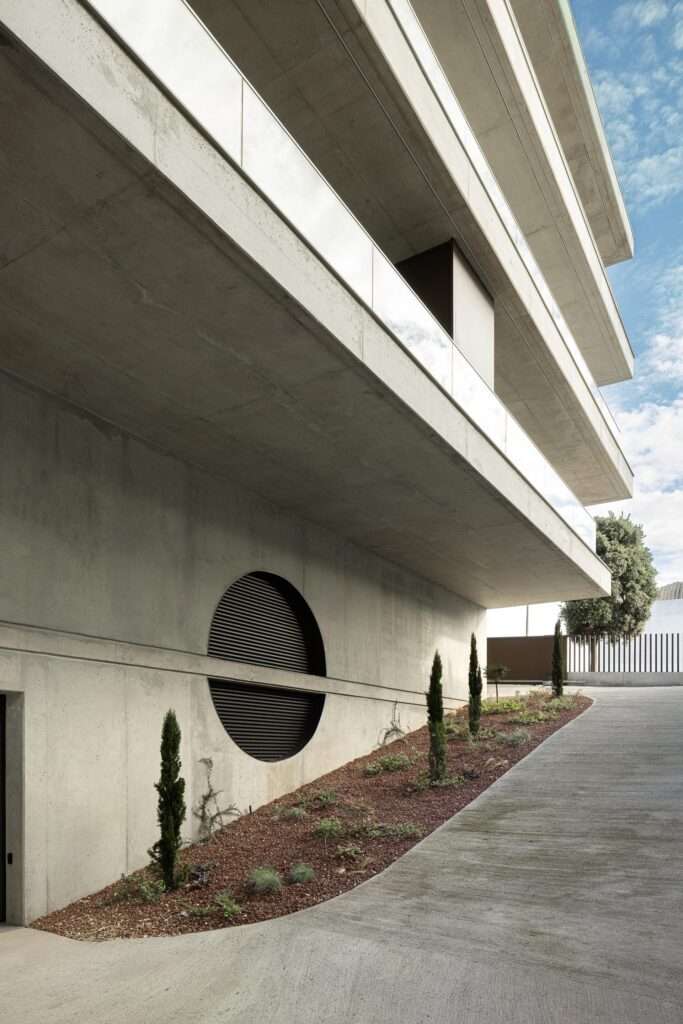
The building relies on generous balconies and ground-floor patios, some of which include jacuzzi pools. This configuration enhances the connection between interior and exterior spaces while optimizing coastal views. The rooftop is accessible via stairs from the upper-floor apartments and the shared staircase, offering private outdoor spaces equipped with swimming pools and open panoramic views. The scheme is completed by parking facilities provided through individual enclosed garages distributed across two underground levels.
Materials and Formal Composition
The material selection emphasizes durability and reduced maintenance requirements, adopting solutions that allow the building to age gradually and stably. The use of horizontal slabs reinforces the horizontal character of the mass and reduces visual complexity on the façades, supporting a clear overall architectural composition. For more details on material choices, you can explore Building Materials and specific Material Datasheets.
Internal Distribution and Unit Organization
The apartment layout follows a logic driven by views and solar exposure, with larger units positioned on the western side and smaller units on the eastern side. All apartments are dual-aspect, allowing living rooms to open onto two different façades. Kitchens are directly connected to living spaces and can be designed as either open or enclosed areas depending on requirements, supporting flexibility in internal use. Similar Projects often explore such organizational strategies.

✦ ArchUp Editorial Insight
Scala-Mare can be read as a mechanism for transforming coastal land value within a regulatory framework defined by land subdivision and residential fragmentation in the suburbs of Porto. The project is based on a medium-density housing production model relying on T2, T3, and T4 typologies to serve different income groups and usage patterns, including permanent residence and seasonal occupation. Regulatory pressures manifest in coastal setback requirements, height limitations, and mandatory underground parking provisions, which restrict vertical densification and encourage horizontal spread of the built form. This results in the translation of regulatory compliance into elongated configurations, dual-aspect units, and expanded balconies that compensate for the loss of buildable area. Solar orientation and sea views become mechanisms for value distribution rather than purely design decisions, while rooftops and balconies act as partial recoveries of investment efficiency within a constrained regulatory framework. For further reading on regulatory impacts, see Construction and Buildings case studies.