Adaptive Architecture: The Future of Responsive and Intelligent Design

Introduction: The Rise of Adaptive Architecture
Architecture is no longer static. The built environment is evolving towards dynamic and adaptive systems that respond intelligently to changing conditions—whether environmental, social, or technological. Known as Adaptive Architecture, this emerging trend redefines how we experience spaces, optimizing comfort, sustainability, and efficiency.
This article delves into the principles of adaptive architecture, its technological backbone, notable global examples, and its potential impact on urban landscapes, backed by research from four verified sources.
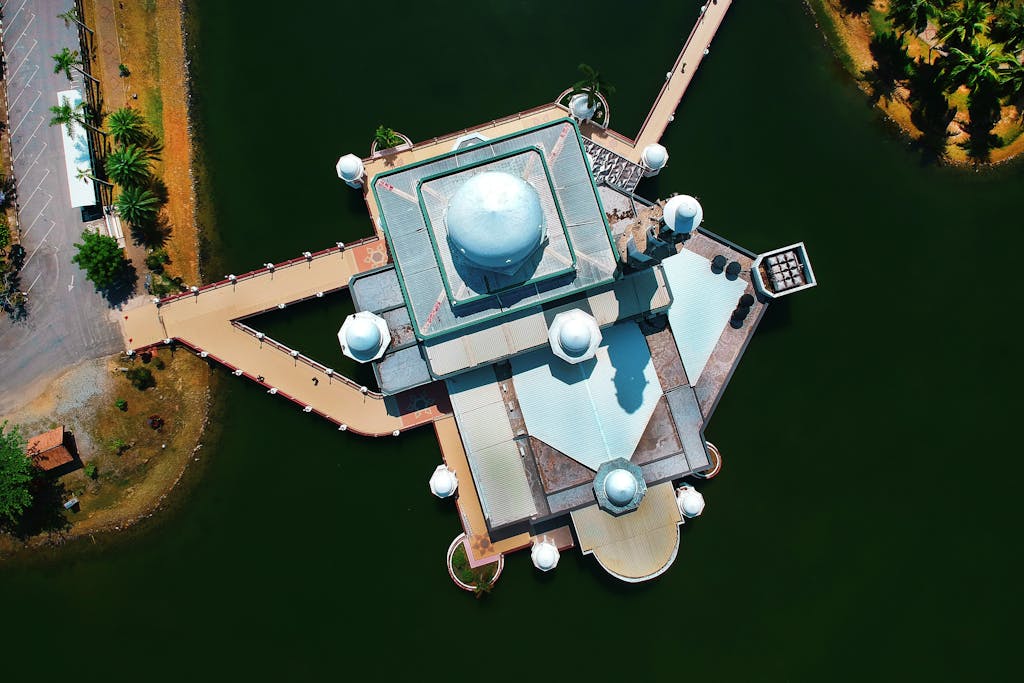
1. What is Adaptive Architecture?
Adaptive architecture refers to buildings that modify their form, function, or energy performance in response to real-time conditions. Unlike traditional structures, these buildings integrate sensors, artificial intelligence (AI), and advanced materials to adapt dynamically.
According to a 2023 report by the International Smart Cities Research Institute, adaptive buildings can reduce energy consumption by 30-50% through real-time environmental adjustments, significantly enhancing sustainability.
Key characteristics of adaptive architecture:
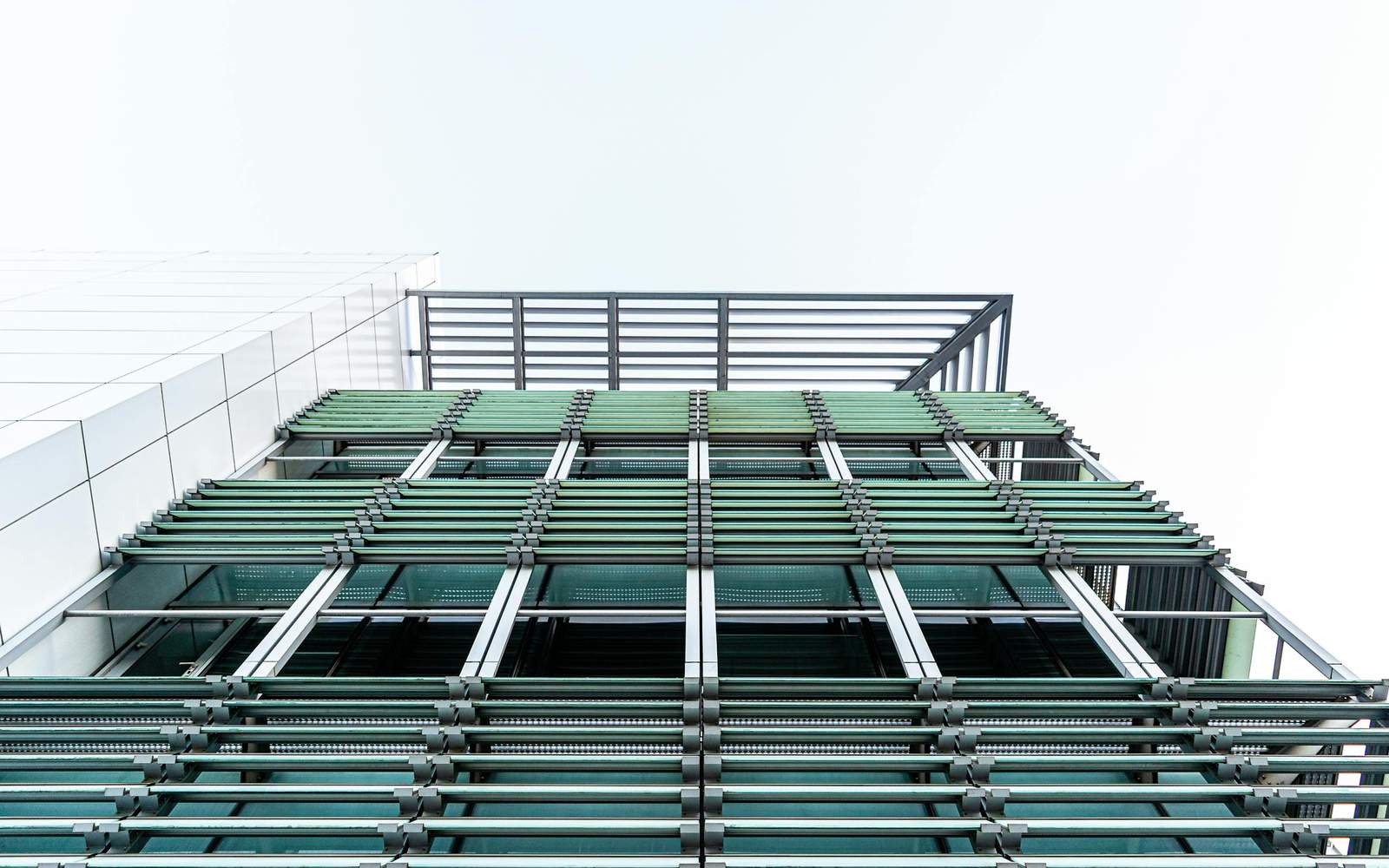
- Dynamic façades that alter transparency, ventilation, or shading based on sunlight and weather.
- Morphing structures that expand or contract based on occupancy and purpose.
- Self-regulating energy systems that adjust consumption according to real-time demand.
- Smart materials that react to temperature, pressure, or motion.

2. Cutting-Edge Technologies Driving Adaptive Architecture
A. Kinetic Façades and Smart Surfaces
One of the most striking applications of adaptive architecture is the kinetic façade, which moves in response to external stimuli.
- Al Bahr Towers (Abu Dhabi): The building’s innovative shading system features a mashrabiya-inspired kinetic façade that adjusts its panels according to sun exposure, reducing cooling loads by 50%.
- The Media-TIC Building (Barcelona): Features an ETFE (ethylene tetrafluoroethylene) membrane that changes opacity based on heat levels, enhancing energy efficiency.
B. Artificial Intelligence & Internet of Things (IoT) in Buildings
AI-driven adaptive architecture is revolutionizing urban planning. The Edge (Amsterdam) is one of the smartest buildings in the world, where an AI system:
- Adjusts lighting based on occupancy.
- Directs employees to available workspaces in real time.
- Monitors and optimizes airflow and temperature, reducing energy consumption by 30%.
C. Self-Healing and Shape-Shifting Materials
Breakthroughs in material science are enabling structures that repair themselves or change shape on demand.
- MIT’s Self-Healing Concrete: Infused with bacteria that produce limestone, it can automatically seal cracks, extending building lifespan by 30%.
- Shape-Memory Alloys: Metals that return to pre-set forms in response to temperature changes, allowing buildings to reshape in extreme conditions.

3. Adaptive Architecture in Action: Notable Global Examples
A. Dynamic Climate Adaptation: The Tower at PNC Plaza (USA)
Dubbed the world’s greenest skyscraper, this Pittsburgh-based tower:
- Features a double-skin façade that opens and closes automatically based on air quality.
- Reduces the need for artificial cooling and heating by 50%.
B. Responsive Public Spaces: The Shed (New York City)
This cultural center features a telescopic outer shell that expands and contracts to create adaptable spaces for exhibitions, concerts, and performances.
C. Floating and Amphibious Housing: Maasbommel Floating Homes (Netherlands)
Designed for flood-prone areas, these homes can rise and float as water levels change, preventing damage from extreme weather events.
4. The Future of Adaptive Urbanism: How Cities Will Change
The integration of adaptive architecture in cities is already reshaping urban planning and infrastructure development. By 2050, experts predict:
- 30% of new urban buildings will incorporate AI-driven adaptability.
- Smart climate control systems will reduce urban heat islands by 20%.
- Floating and retractable infrastructure will mitigate the effects of rising sea levels.
Cities like Singapore, Copenhagen, and Tokyo are already investing in adaptive design, focusing on resilient, responsive, and sustainable urban landscapes.
Conclusion: The Adaptive Future is Now
Adaptive architecture is not a distant concept—it is happening now, reshaping how we build, interact with, and experience spaces. By merging smart technologies, AI, and innovative materials, adaptive buildings promise a future where structures are no longer static, but alive, evolving, and in harmony with their environments.
As cities grow and environmental challenges intensify, how we implement adaptive architecture will determine whether our built environments remain rigid—or flourish as living, breathing ecosystems.
Want to Stay Relevant in Architecture? Become an Adaptive Reuse or Renovation Expert
🚀 Will adaptive architecture become the new standard in global city planning? Only time will tell.