Home » News » Architectural billing index decline for August

Architectural billing index decline for August

انخفاض مؤشر فواتير الهندسة المعمارية لشهر أغسطس
The American Institute of Architects’ latest Architectural Billings Index for August recorded a slight decline to a score of 48.1 (any score above 50 indicates an increase),
This represents the eleventh consecutive month of flat numbers for the companies after a period of growth between 2021 and 2021. Mid-2022.
The value of new design contracts also fell for the first time since April.
The multifamily market maintained its relatively weak performance,
with the institutional sector also recording a decline.

Architectural billing index decline for August


However, companies specializing in commercial/industrial projects recorded increases for the third month in a row.
“Business conditions at architecture firms remain sluggish,” Kermit Baker, chief economist at AIA, said in a statement.
“New project work coming to architecture firms as well as ongoing project activities are still stalled in a relatively narrow range,
They show little variation from month to month.
Although this pause has relieved pressure on tight employment conditions throughout the profession,
However, there is a great deal of uncertainty about the direction of future activity.

Architectural billing index decline for August


ABI Highlights for August:

  • Regional averages: Northeast (50.6); South (49.9); Midwest (48.1); West (45.8)
  • Sector index distribution: commercial/industrial (51.5); institutional (49.4); Mixed practice (firms that do not have at least half of their billings in any other category) (46.9); Multi-family housing (44.1)
  • Project Inquiry Index: 54.
  • Design Contracts Index: 47.9


For more architectural news

Further Reading From ArchUp

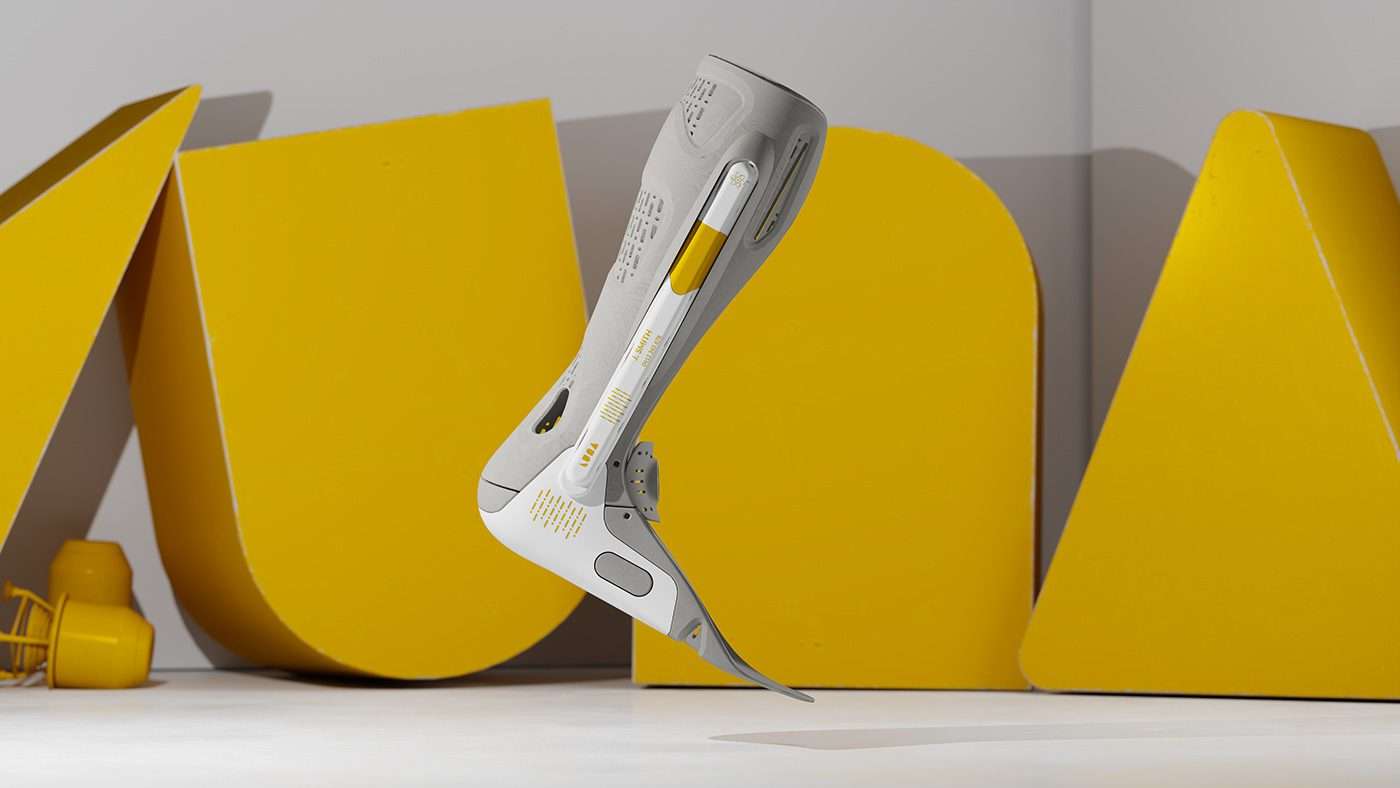
  • The 3D-printed LUNA leg brace grows with its user

    Targeted at children with Hereditary Spastic Paraplegia, the Luna Ankle Foot Orthosis uses a toolless modular system to adapt to as they grow. Hereditary Spastic Paraplegia is a progressive disease that causes weakness and stiffness in the leg muscles. It can affect a patient’s gait and often requires assistive devices known as an ankle-foot orthosis

  • |

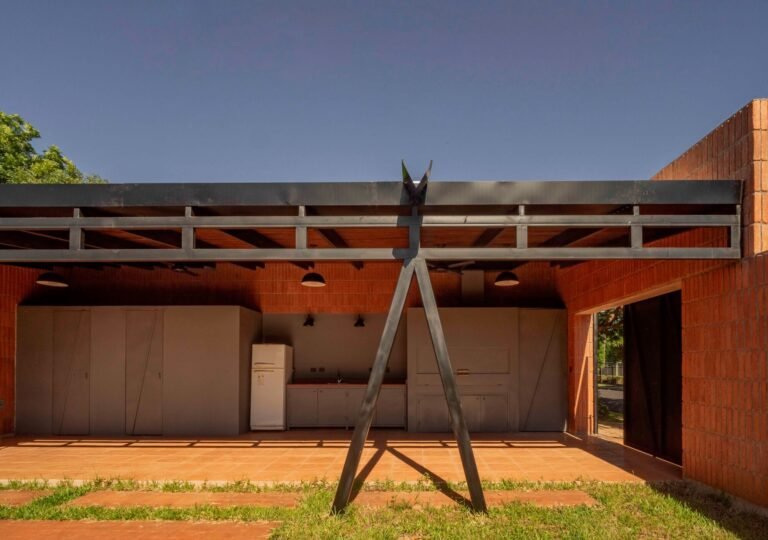
    Worldsteel Cuts Global Steel Demand Outlook as Recovery Slows

    The World Steel Association has lowered its global steel demand outlook, forecasting essentially no growth in 2026 and a 1.7%…

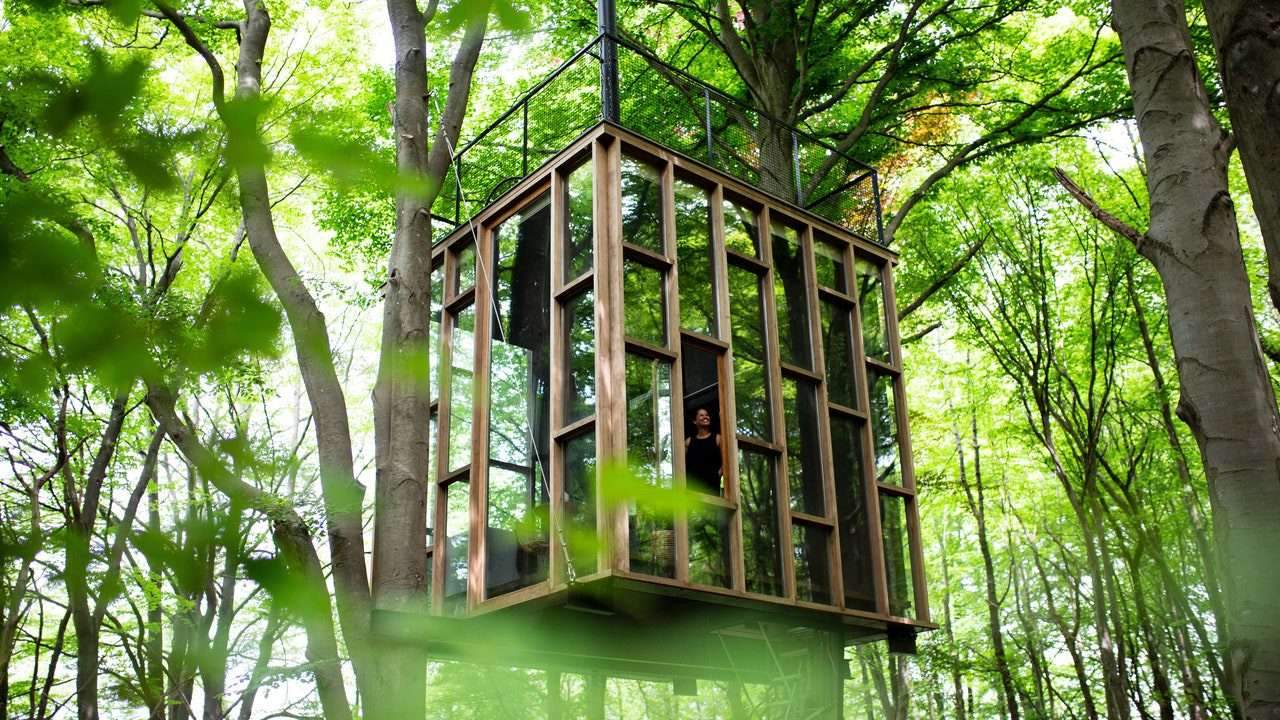
  • These 7 Sustainable European Cabins Beautifully Blend With Nature

    While a vacation to Europe often inspires images of days meandering cobblestoned streets in historic towns, these sustainable European cabins offer a different way to visit the continent. Just imagine, you could wake up to 360-degree views of a Swedish fjord or spend an evening admiring the birds in a suspended cabin in Belgium. Located

  • Are short buildings more vulnerable to earthquakes?

    Are short buildings more vulnerable to earthquakes?,Short buildings are more vulnerable to earthquakes than tall buildings,although other factors can also…

  • Results: The Urban Adaptation Competition

    The competition proved a success – it received a total of 154 entries from 48 countries! Too often, buildings are…

Leave a Reply

Your email address will not be published. Required fields are marked *