Revised Brentford Residential Development Secures Planning Consent

A significant Brentford residential development recently secured unanimous planning consent. Located in West London, these revised schemes address complex regulatory changes. Local authorities approved the modifications, signaling continued growth for the area. This update reflects the evolving nature of architectural design in the capital.
Navigating Regulatory Changes
The planning committee in Hounslow granted permission for these updated proposals. This decision follows a period of rigorous adjustment to meet evolving standards. Consequently, the Brentford residential development aligns with modern safety requirements. The news highlights the adaptability required in current housing strategies.

Developers submitted the revisions to navigate a challenging landscape of new regulations. Therefore, the approval represents a successful response to strict compliance demands. The committee’s unanimous vote suggests strong local support for the amended plans.
Enhancing Housing Supply
These schemes contribute substantially to the local housing supply. Previous phases included mixed-use elements and significant residential density. Moreover, the construction involves multi-unit blocks designed for urban living. The overarching masterplan aims to revitalize the neighborhood context within cities like London.
The projects join a wider wave of activity in the district. Nearby initiatives have already delivered hundreds of homes and commercial spaces. Thus, the area is rapidly transforming into a dense residential hub.

Broader Urban Context
West London is currently experiencing a surge in infrastructure projects. Large-scale regeneration efforts nearby include extensive new housing stocks. Therefore, effective urban planning remains crucial for integrating these districts. Additionally, sustainability goals often drive the revisions seen in such contemporary applications.
The modifications primarily address technical and regulatory compliance. Architects adjusted the designs to ensure long-term viability. Furthermore, the choice of building materials reflects a commitment to durability. This ensures the project remains relevant for future generations.

Future Outlook
Approval of this Brentford residential development marks a key milestone. Work will proceed following these latest administrative agreements. Meanwhile, existing structures in the vicinity continue to shape the skyline. The focus now shifts to the implementation of these approved changes.
How will these regulatory adjustments influence future housing projects in West London?
A Quick Architectural Snapshot
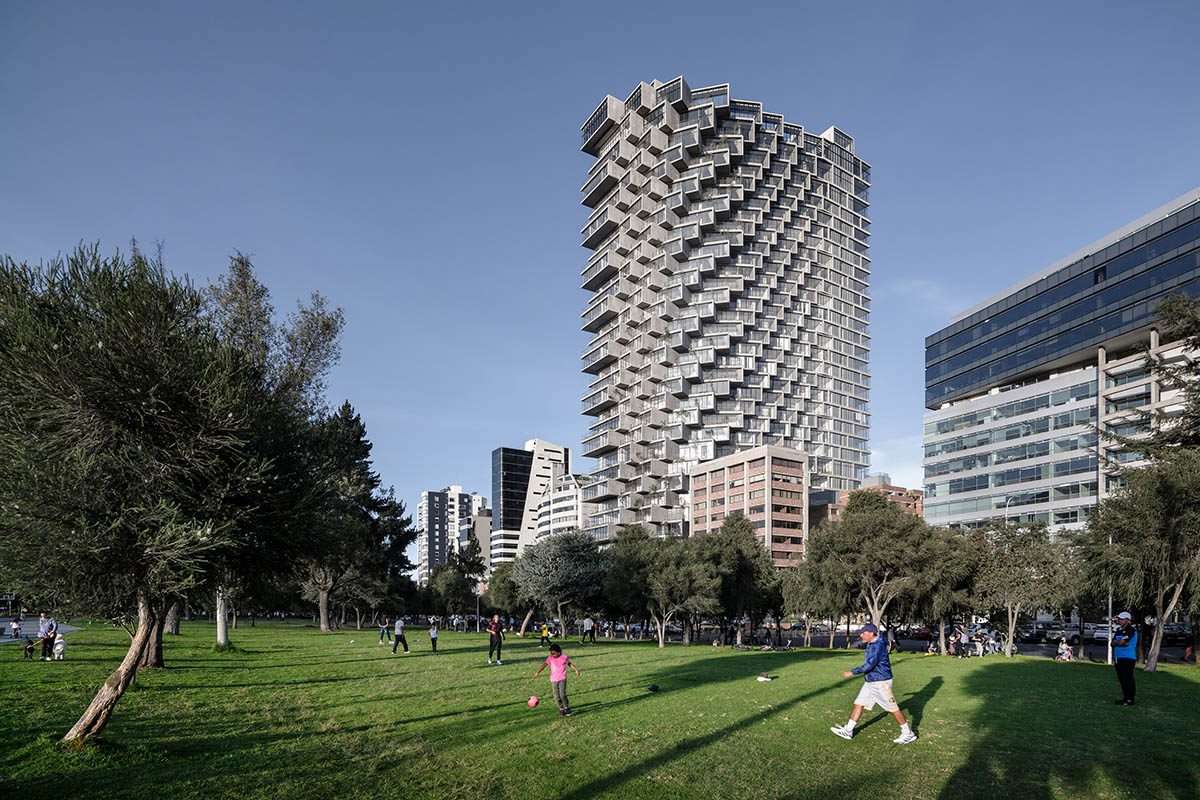
Located in the evolving Brentford district, this approved scheme features high-density housing adapted to new safety regulations. The project integrates mixed-use elements within a West London regeneration zone. Materials and massing were adjusted to meet planning committee standards, ensuring compliance with modern urban infrastructure requirements and future residential needs.
✦ ArchUp Editorial Insight
Regulatory volatility in urban centers is increasingly becoming the primary author of the built environment. The “revised schemes” in Brentford represent a feedback loop where capital investment pauses until design aligns strictly with shifting liability landscapes. When planning committees mandate rigorous adjustments for safety and compliance, the resulting architecture ceases to be purely a spatial proposal. Instead, it emerges as a physical index of risk management protocols. The unanimous consent suggests that the final form is less about aesthetic preference and more about successfully resolving the tension between housing density targets and the tightening constraints of urban planning and safety regulations. This indicates a shift where compliance determines the lifespan of a design before construction even begins.