Carbon Confessions Exhibition Makes U.S. Debut at University of Virginia


The traveling exhibition Carbon Confessions has opened at the University of Virginia School of Architecture. This marks its first presentation in the United States. The show explores how design can address climate challenges through carbon-conscious strategies.
Exhibition Content and Display
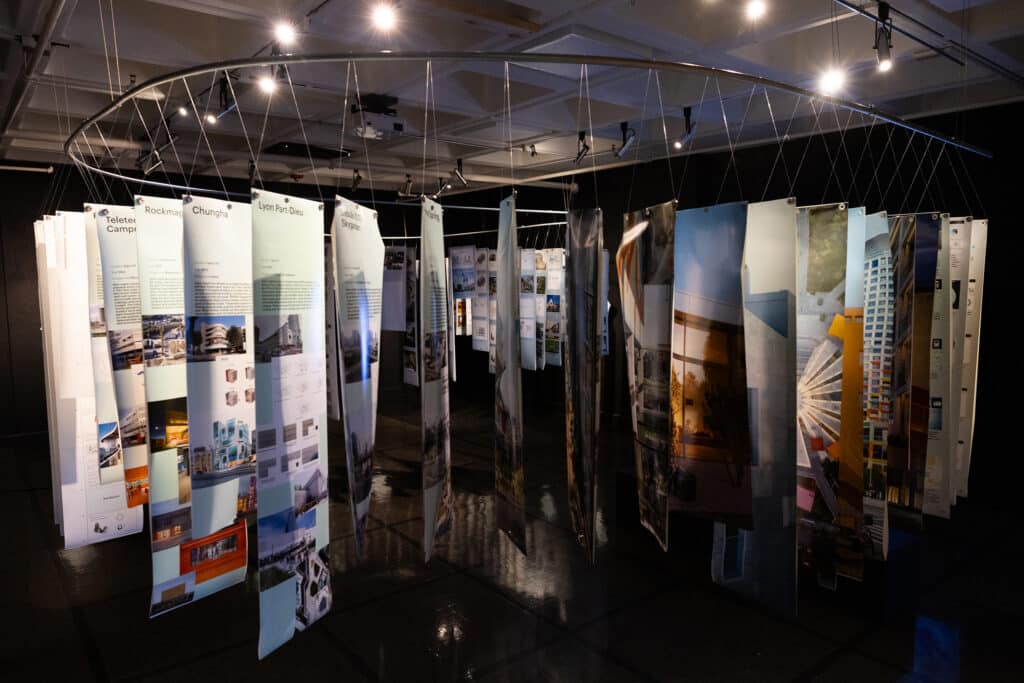
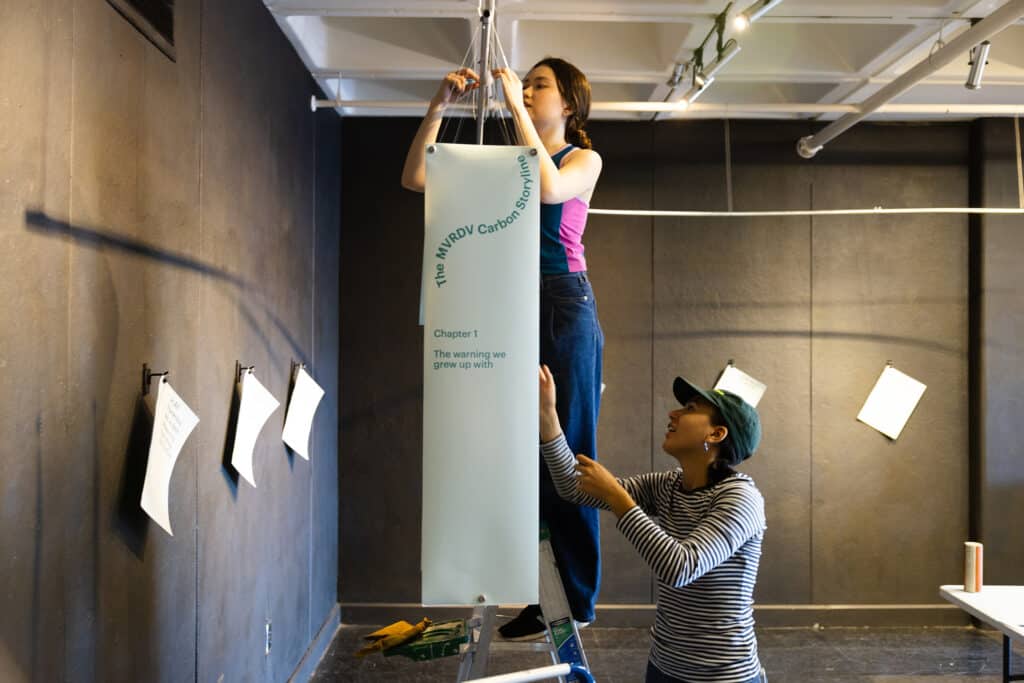
The exhibition features 186 hanging panels organized into several thematic sections. The Carbon Storyline traces three decades of sustainable construction efforts. Meanwhile, Carbon Cases presents project-based studies with supporting environmental data.
Transformation projects highlight adaptive reuse strategies for existing buildings. Moreover, sixteen wall booklets share Carbon Anecdotes about real challenges in sustainable practice. A samples table displays low-carbon building materials for visitors to examine.
Why Charlottesville Matters
The location carries particular significance for this sustainability-focused exhibition. Charlottesville balances historic preservation with contemporary development needs. Therefore, UVA provides an ideal setting for discussing carbon reduction in the built environment.
The university serves as a major hub for architectural research and education. However, the exhibition offers lessons applicable beyond this academic context. Visitors can explore how sustainable design respects existing urban character while reducing emissions.
Key Themes and Strategies
Carbon Confessions treats carbon as a central design consideration throughout. The show highlights three main approaches to reducing environmental impact. These include adaptive reuse, material experimentation, and climate-driven innovation.
A video projection explores various sustainability themes in greater depth. The exhibition acknowledges both achievements and obstacles encountered over three decades. This honest approach distinguishes it from typical promotional architectural displays.
Exhibition Schedule and Future Stops
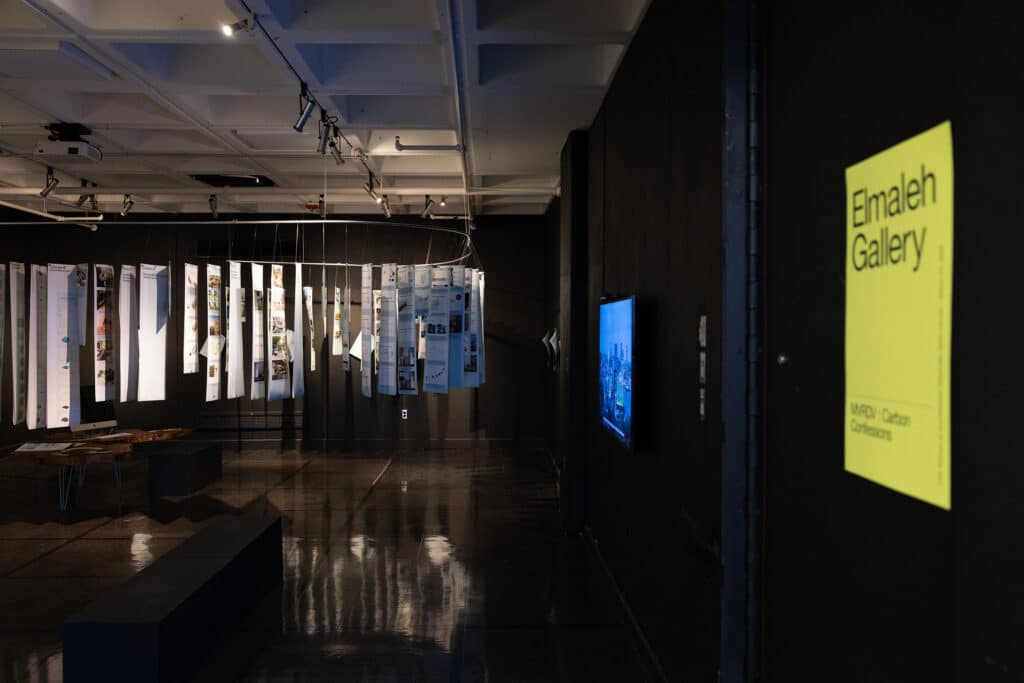
Carbon Confessions runs from March 23 to April 26 at Campbell Hall. The Campbell Elmaleh Gallery hosts the show within UVA’s School of Architecture.
Previous stops included Munich, Berlin, Paris, Taipei, and Rotterdam. The exhibition will continue to Toronto following its Virginia presentation. It opens at Urbanspace Gallery from May 9 to August 22.
A Quick Architectural Snapshot
This exhibition examines carbon reduction strategies across 30 years of practice. It features 186 panels, material samples, and project case studies. The show travels internationally, now reaching American audiences for the first time at a leading architecture school.
✦ ArchUp Editorial Insight
English Version
The emergence of carbon-focused exhibitions in architectural education signals a broader industry shift. Universities now face pressure to address climate accountability in their curricula. Meanwhile, architecture firms seek platforms to demonstrate environmental awareness without commercial intent.
This exhibition format allows retrospective analysis of past decisions. It acknowledges that sustainable construction often failed due to budget constraints and client priorities. The honest admission of obstacles reflects growing demand for transparency in professional practice.
Traveling exhibitions also serve strategic purposes. They build academic relationships and position firms within research networks. The choice of university venues over commercial galleries indicates a deliberate alignment with educational discourse rather than market promotion.
This project is the logical outcome of climate urgency, academic partnership demand, and the profession’s need for critical self-examination.