The Premature Reveal: When Commercial Design Sabotages Its Own Genesis

There is a specific and quiet tension that precedes the unveiling of a commercial space. In a recent project, one that I observed with great professional interest, every traditional metric suggested a resounding success. The relationship with the brand owner was harmonious, the execution was disciplined, and the integrated team of designers and engineers moved with a synchronization that is rare in the chaotic landscape of 2026. The store opened exactly on schedule. The finishing was impeccable, and the brand identity was articulated with a clarity that seemed to promise immediate market dominance. Yet, as the weeks progressed, a disturbing reality emerged. The performance of the space did not match the quality of its Design. The footfall was stagnant, and the initial momentum was nonexistent. It was a professional puzzle that defied the standard logic of location, marketing, and aesthetics.
The subsequent search for the cause of this failure initially led us down the usual paths of architectural scrutiny. We questioned if the site was fundamentally flawed or if the lack of a corner location had hindered visibility in the dense urban fabric. We analyzed the human density of the surrounding Cities and debated if the timing of the launch coincided with a broader economic dip. Some voices even drifted into the irrational, suggesting metaphysical mismatches or astrological timing. However, the true answer came from a seasoned specialist in the retail sector who ignored the materials and the floor plans entirely. He asked a single, surgical question regarding the date the external signage was installed. When we admitted that the sign had been placed weeks before the interior was completed, he identified it as a terminal error. In the hyper-competitive economy of 2026, where global debt has hit 348 trillion dollars and every square meter of a commercial project is under intense pressure to perform, a premature reveal is not just a mistake. It is an act of architectural sabotage.
This error reveals a fundamental misunderstanding of what commercial Architecture actually represents. A retail space is not merely a static container for products. It is a orchestrated event. When a brand decides to display its identity before it is ready to function, it inadvertently commits three grave sins against its own success. The first is the total destruction of suspense. Potential customers, neighbors, and passersby see the name, the logo, and the nature of the business long before they can interact with it. Curiosity is a fragile psychological state that, once satisfied without an immediate reward, quickly curdles into indifference. By the time the doors actually open, the “newness” of the brand has already evaporated. The audience has already processed the visual information and moved on to the next stimulus.
The second consequence is the dilution of what we might call the prestige of the opening. In the world of high-stakes retail, a launch is not a mere operational procedure. It is a moment of cultural weight. It requires a specific kind of atmospheric noise and a sense that something transformative is entering the social ecosystem. When the identity is revealed prematurely, this moment of impact is flattened into a mundane occurrence. The architectural presence loses its ability to command the attention of the street. It becomes part of the background noise of the city before it even has the chance to speak. This is a critical failure in perception engineering, where the brand is perceived as “old news” before its first transaction has even taken place.
Perhaps the most damaging effect is the unintended projection of weakness. The observer does not view a delay between the sign installation and the store opening as a technical or logistical necessity. Instead, it is interpreted as a sign of institutional struggle. It suggests a project that is behind schedule, a team that is faltering, or a management structure that is unprepared for the reality of the market. Even if these assumptions are entirely false, in the realm of commercial Projects, the impression is more significant than the truth. A brand that presents itself before it is ready for scrutiny is seen as a brand that lacks the discipline to succeed.
This phenomenon highlights a core tension in the profession between the architect and the retail specialist. The architect is often focused on the milestones of delivery, the quality of materials, and the resolution of technical details within the Construction phase. However, the retail logic operates on the management of time and the psychology of perception. A building can be a masterpiece of engineering, but if its appearance in the public consciousness is timed incorrectly, its economic value is severely compromised. This realization is currently driving a new wave of Architectural Research into the temporal dynamics of commercial facades. We are learning that the “revealing” of a building is as much a design decision as the choice of its structural system.
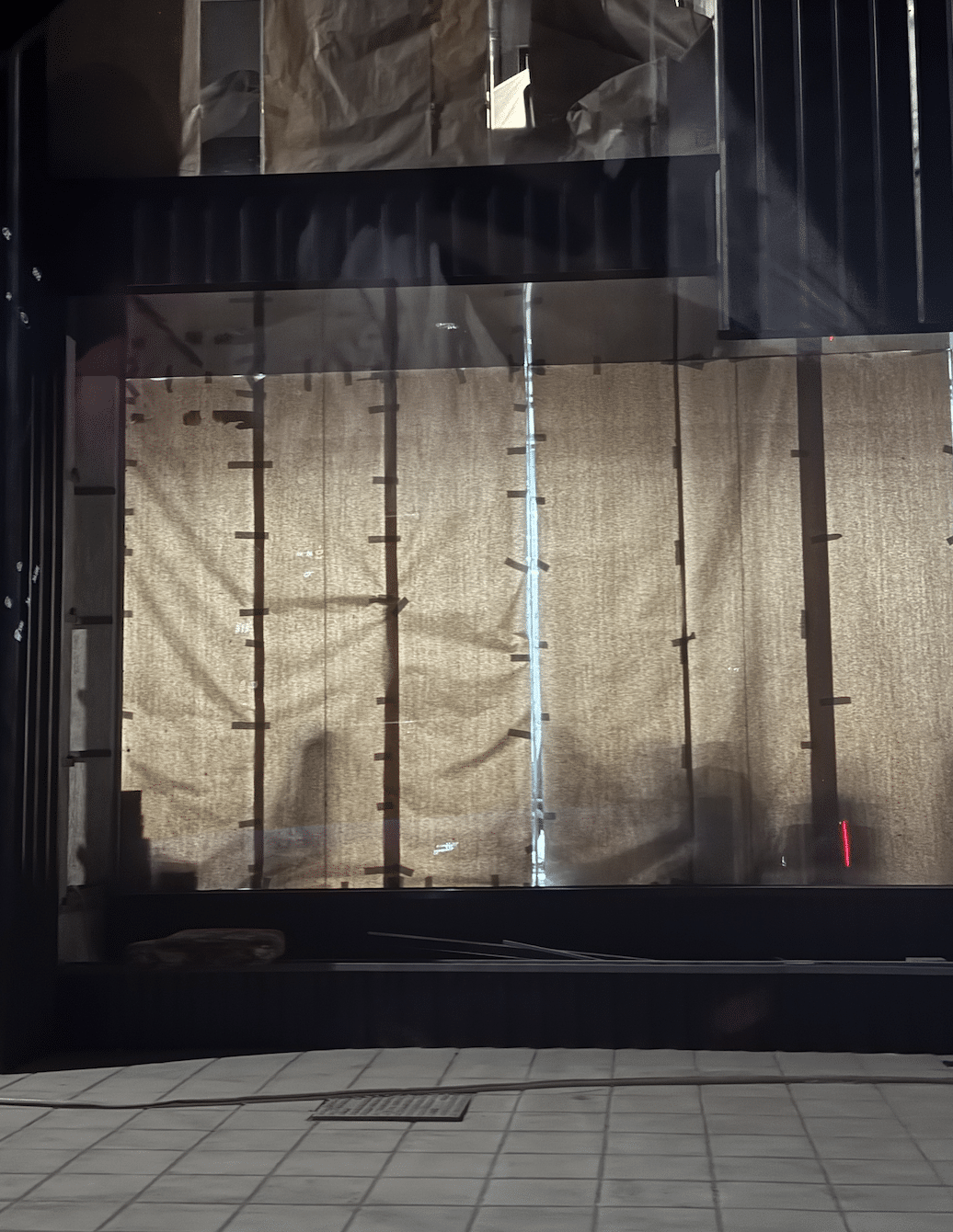
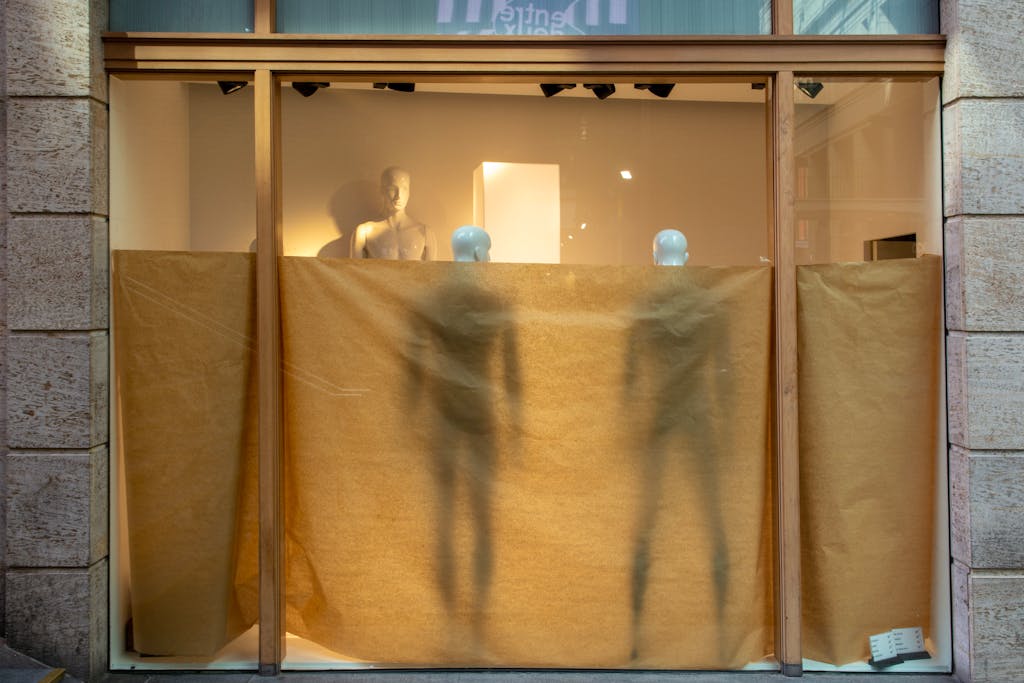
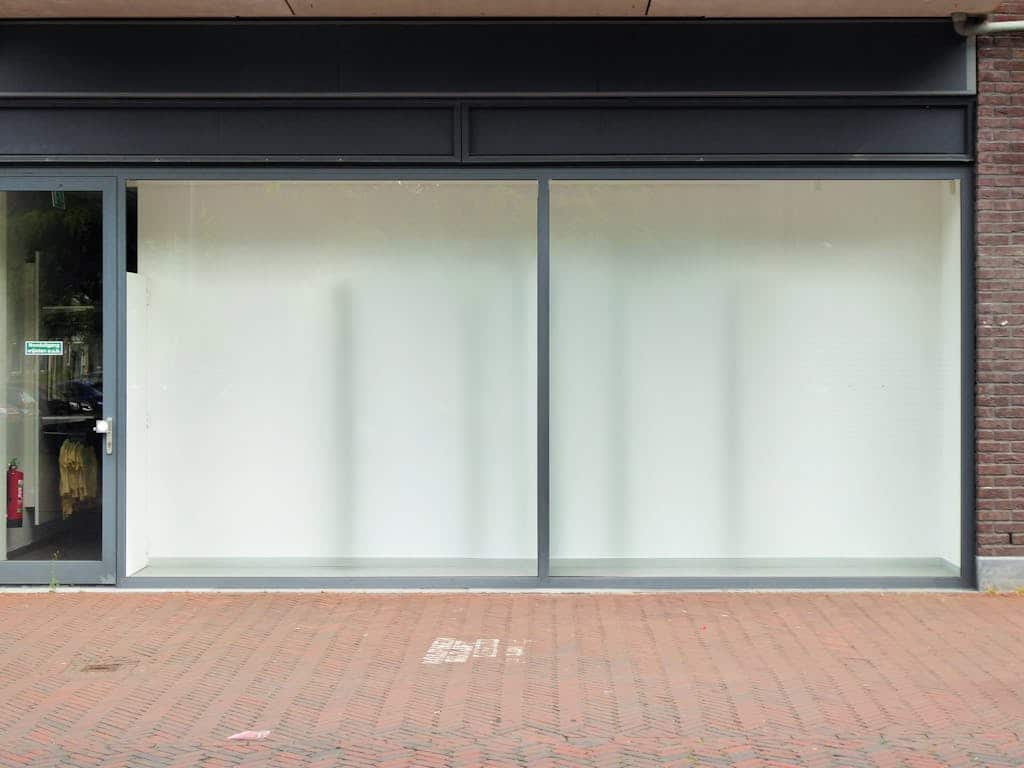
In professional practice, the management of a brand’s debut requires a strategy of calculated concealment. The identity should remain masked behind branding covers until the final moment of readiness. The goal is to build a state of anticipation, a psychological void that can only be filled by the event of the opening. The identity should not be displayed; it should be unveiled. This distinction is vital. One is a passive observation, while the other is an active event. People rarely remember the processes of business, but they always remember the events. By maintaining the mystery of the interior until the operational reality is prepared, the architect ensures that the building makes its entrance with the necessary gravity.
This shift in thinking is particularly relevant as we track the latest News in urban development. As traditional retail struggles against the liquidation of the digital economy, the physical store must rely more heavily on its “aura” to attract a distracted public. The architecture must perform a kind of spatial drama that the internet cannot replicate. This cannot happen if the drama is spoiled weeks in advance by a piece of premature signage. Successful firms in recent global Competitions are those that demonstrate a deep understanding of this “choreography of arrival.” They treat the construction site not as a mess to be hidden, but as a theater in waiting.
Ultimately, the lesson of the failed retail project is that a commercial space is never just about the walls. It is about the management of the moment. To succeed in the volatile landscape of 2026, the architect must become a strategist of the senses. This requires an understanding that Sustainability in commerce is tied to the longevity of the brand’s appeal. A brand that exhausts its curiosity before it starts is a brand that has committed a slow form of spatial suicide. We must respect the power of the reveal and understand that the most effective way to start a conversation with the city is to ensure that everyone is listening before we say the first word.
The conclusion of this inquiry is a simple but absolute professional thesis. Architecture is the management of the moment as much as it is the management of the stone. To succeed in the commercial realm, one must possess the discipline to remain invisible until the exact moment that visibility can be converted into value. A building is not finished when the last tile is laid. It is finished when it enters the public imagination at the peak of its potential. Therefore, the most critical rule for the future of commercial design remains unchanged. Do not show yourself before you are ready to be looked at. For in the end, the city only gives you one chance to be new.
✦ ArchUp Editorial Insight
The “Premature Reveal” in retail development is a clinical symptom of temporal mismanagement, sabotaging a project’s economic viability before its operational genesis. Data layering reveals that installing external signage before total readiness destroys the “fragile psychological state of curiosity,” turning a brand into “old news” before its first transaction occurs. This systemic pressure generates an institutional decision framework prioritizing Perception Engineering, where the value of design is measured by the precision of its public debut rather than its material quality alone.
Consequently, the architectural outcome is a logic of calculated concealment—masking facades not just as a construction safety measure, but as a strategic tool to build a “psychological void” that only the opening event can fill. In 2026 cities, where $348 trillion in global debt places every square meter under intense performance pressure, the architect must function as a strategist of the senses. This role demands a fiduciary responsibility to protect a brand’s “aura” through disciplined invisibility, finalizing the transition of a project from a static container into a high-stakes spatial drama.