

Between Design and Recycling: A Critical Look at Solving Plastic Pollution

Plastic Pollution: Alarming Numbers
Between 500 billion and 1 trillion plastic bags are used every year around the world. Unfortunately, a significant portion of these bags ends up drifting in our oceans, causing severe environmental damage that is not easily contained.
How Does Plastic Threaten Marine Life?
Due to their thin, translucent texture, plastic bags are often mistaken by sea turtles and other creatures for jellyfish. Once swallowed, this mistake can be fatal, as plastic causes dangerous blockages and digestive issues that threaten the lives of these animals.
Searching for Alternative Solutions
For this reason, organizations and designers worldwide are intensifying their efforts to find practical ways to reduce the spread of this type of waste. Among the inspiring experiments in this field are projects that focus on recycling plastic bags and packaging film, transforming them into new products with functional or aesthetic value.
Design as a Tool for Awareness
These initiatives raise an important question:
How can creative design and digital technologies be harnessed to transform waste into useful products?
The answer goes beyond the visual aspect; it extends to reinforcing awareness about the need to rethink our consumption of plastic materials — especially those that are difficult to recycle using conventional methods.
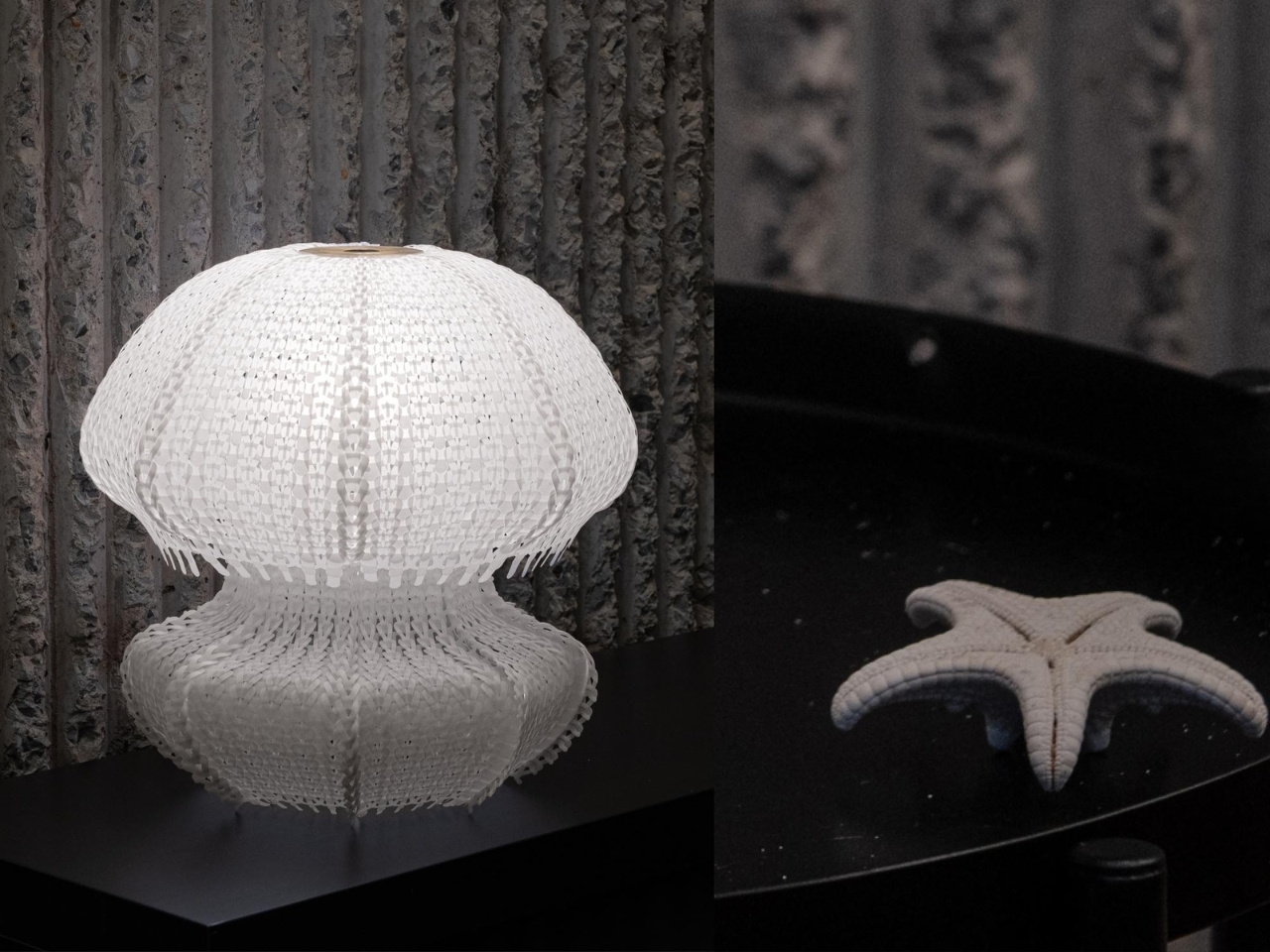
Nature-Inspired Design
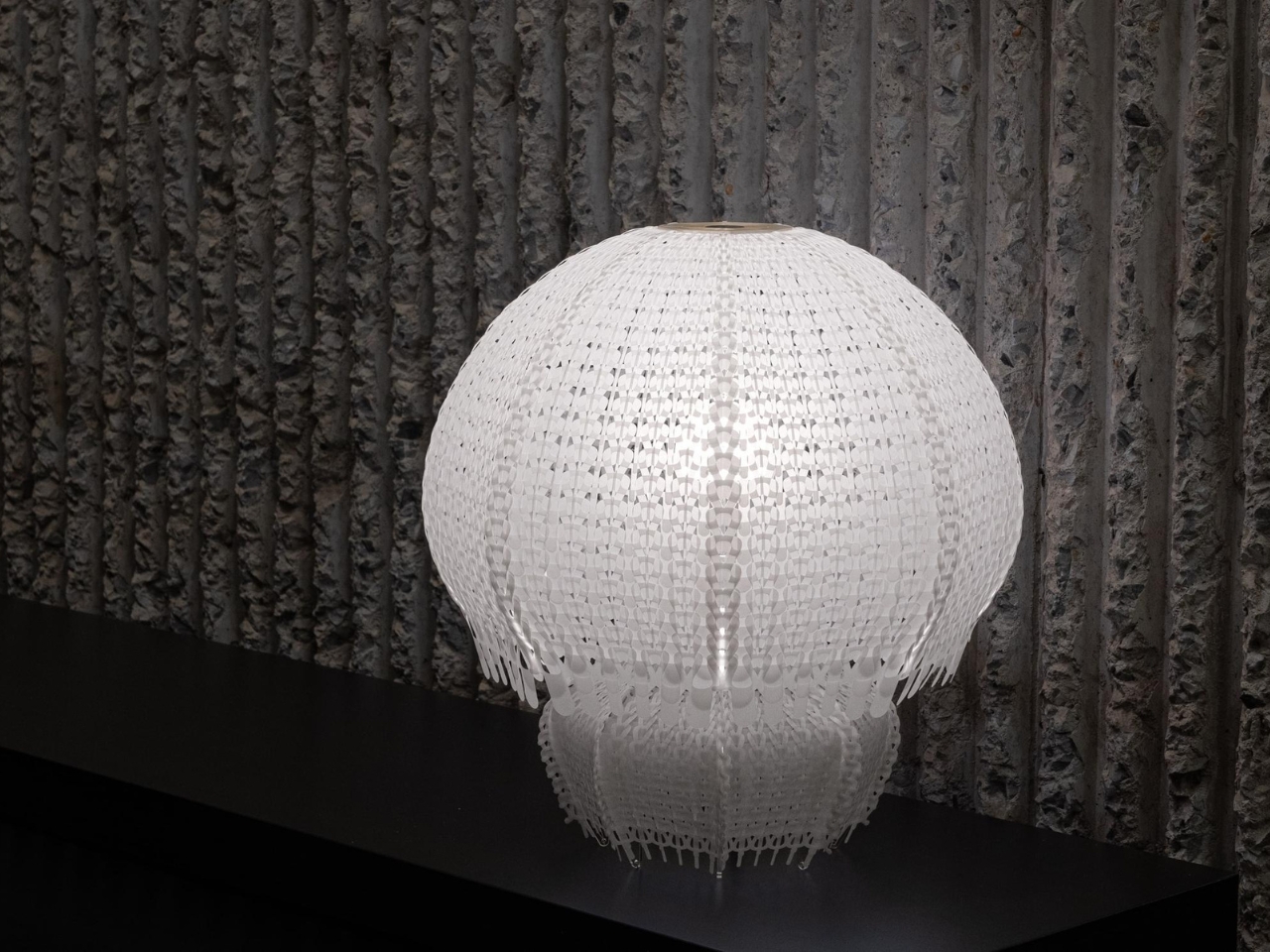
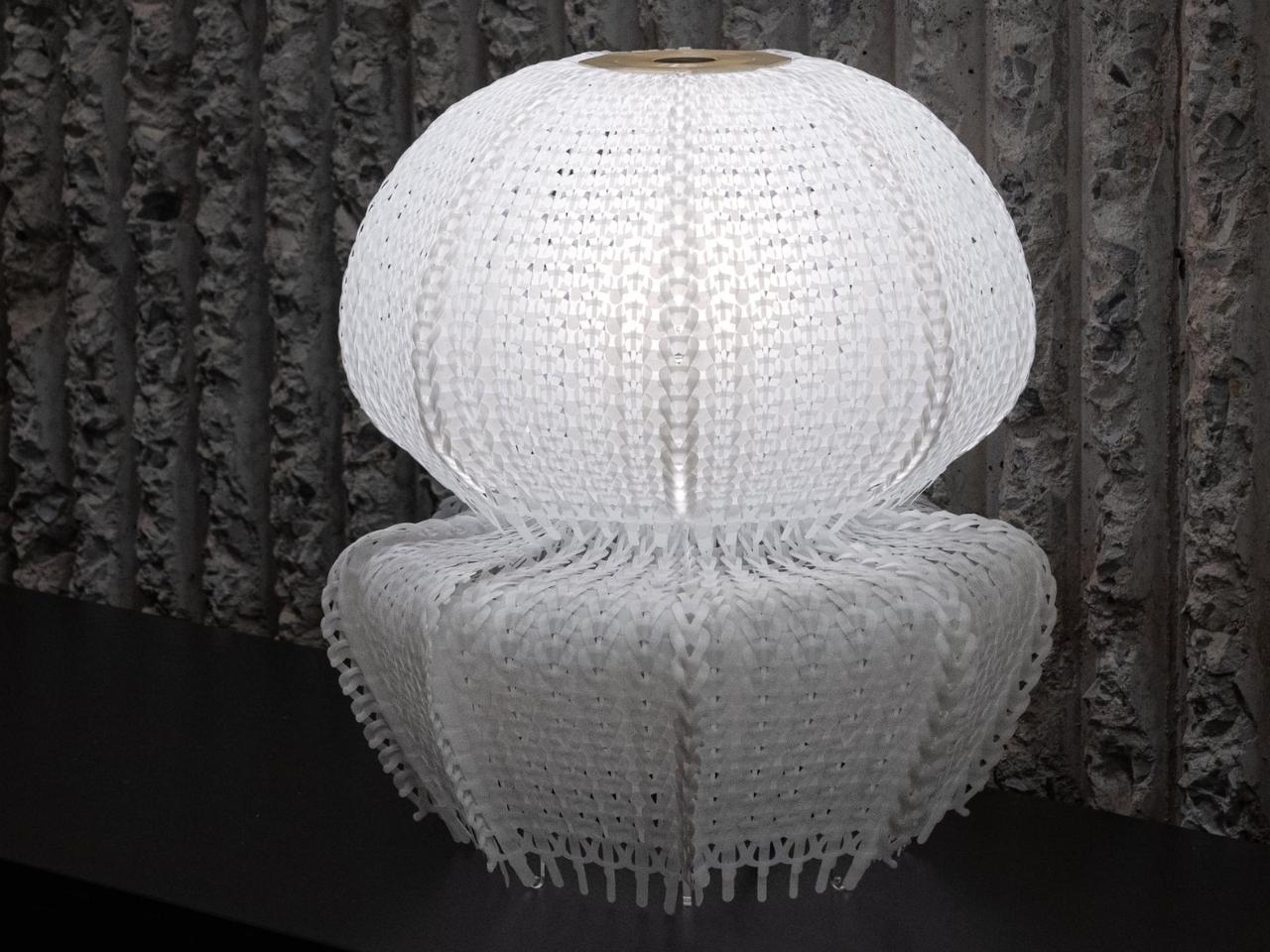
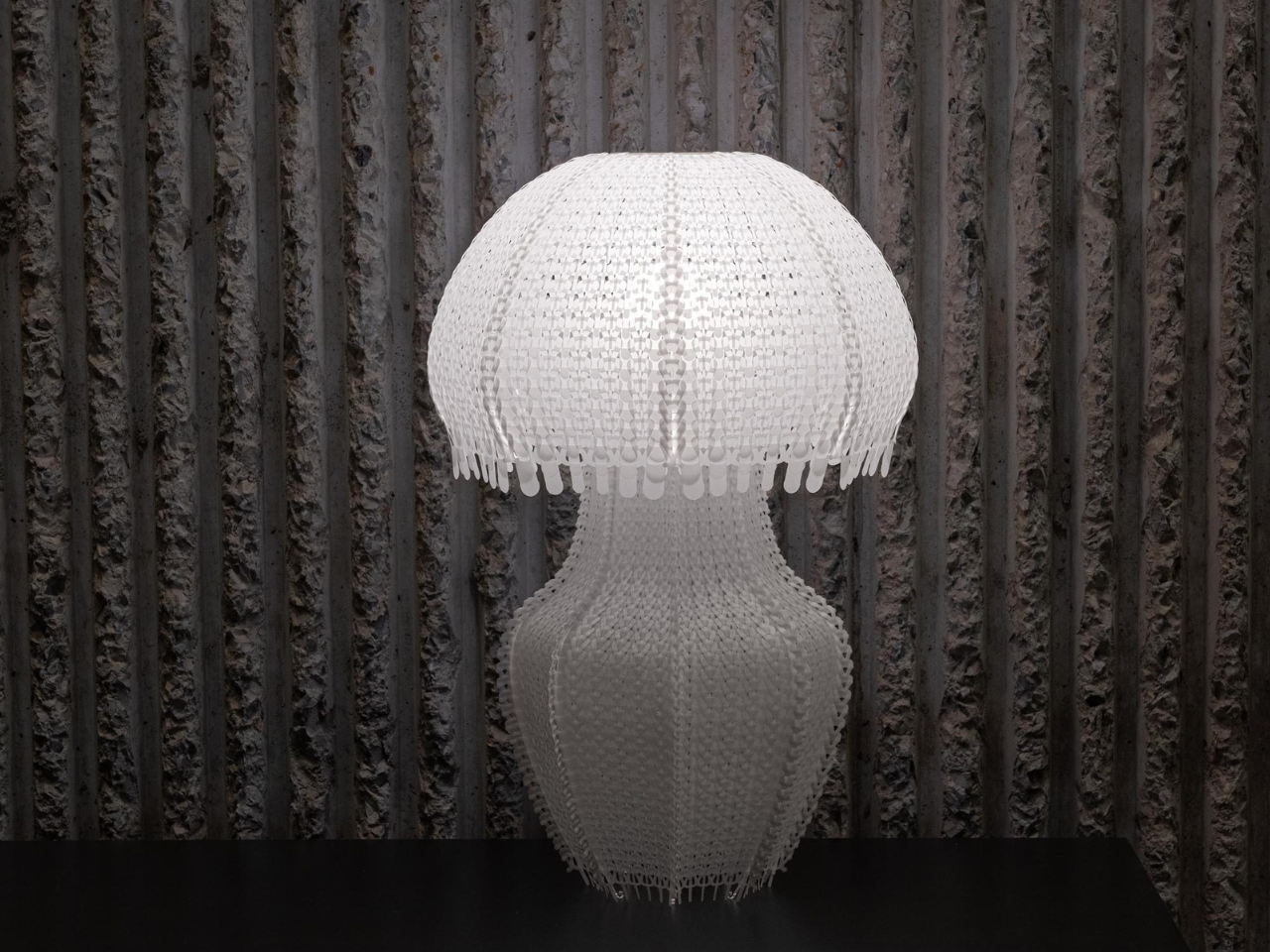
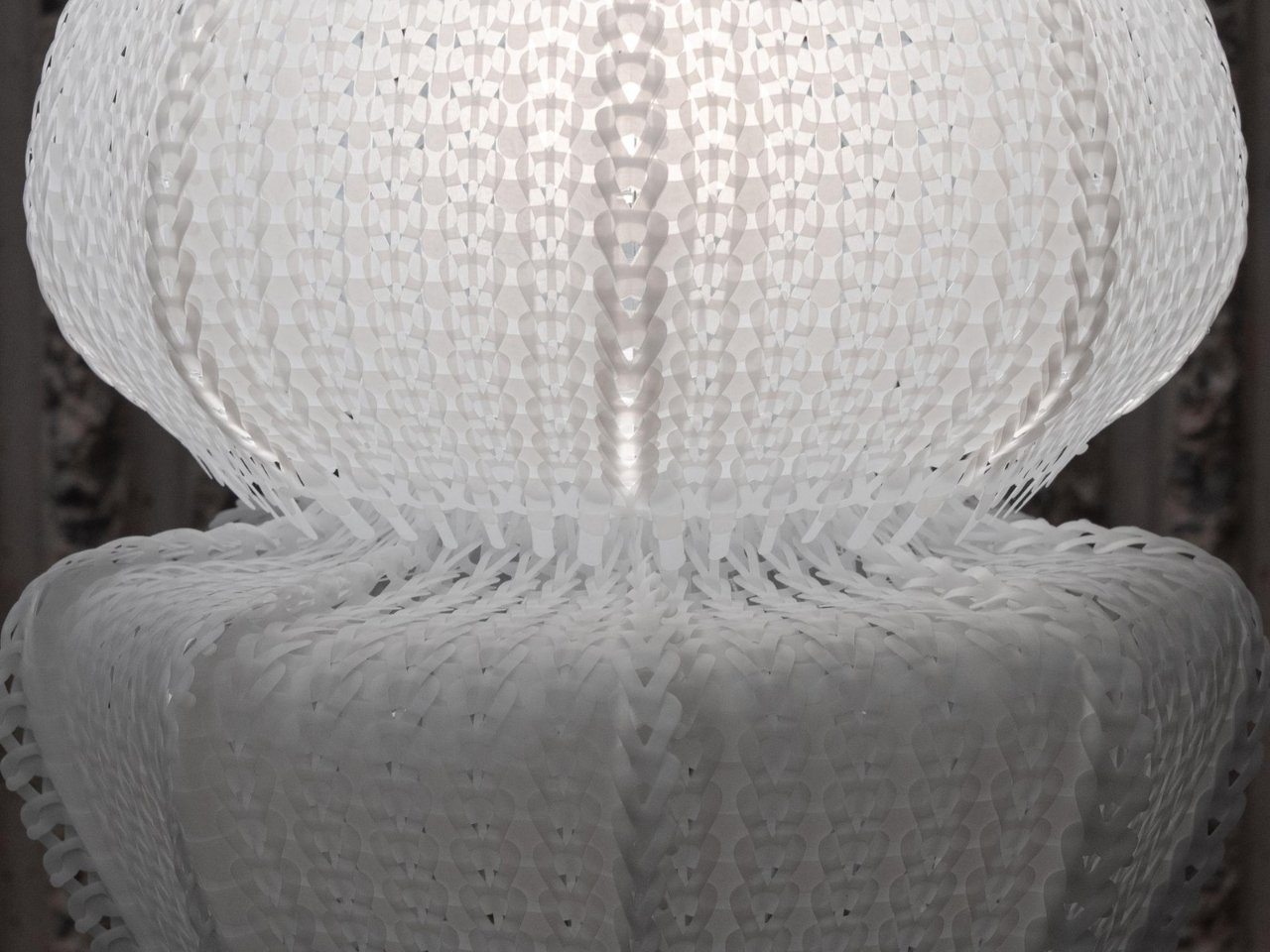
Interestingly, some creative initiatives base their designs on imitating marine creatures themselves — like jellyfish, which are among the most threatened species due to plastic bags.
The Role of Parametric Design
These models employ what is known as parametric design — a method that uses advanced algorithms to generate flexible, elegant shapes that mimic the fluid movement of jellyfish in water. In this way, design becomes a tool to remind us of the relationship between humans and nature, and the importance of protecting it.
Combining Precision and Craftsmanship
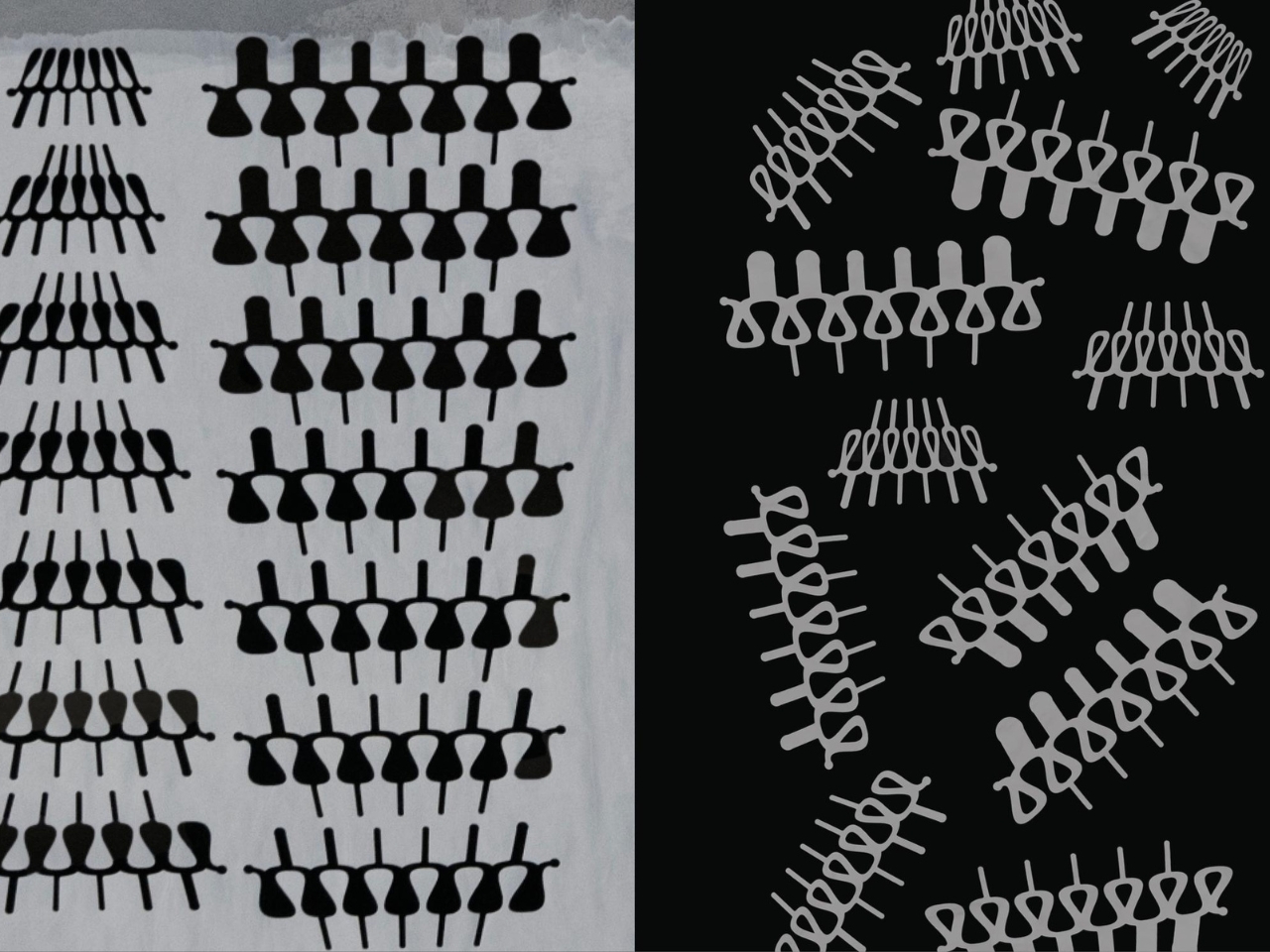
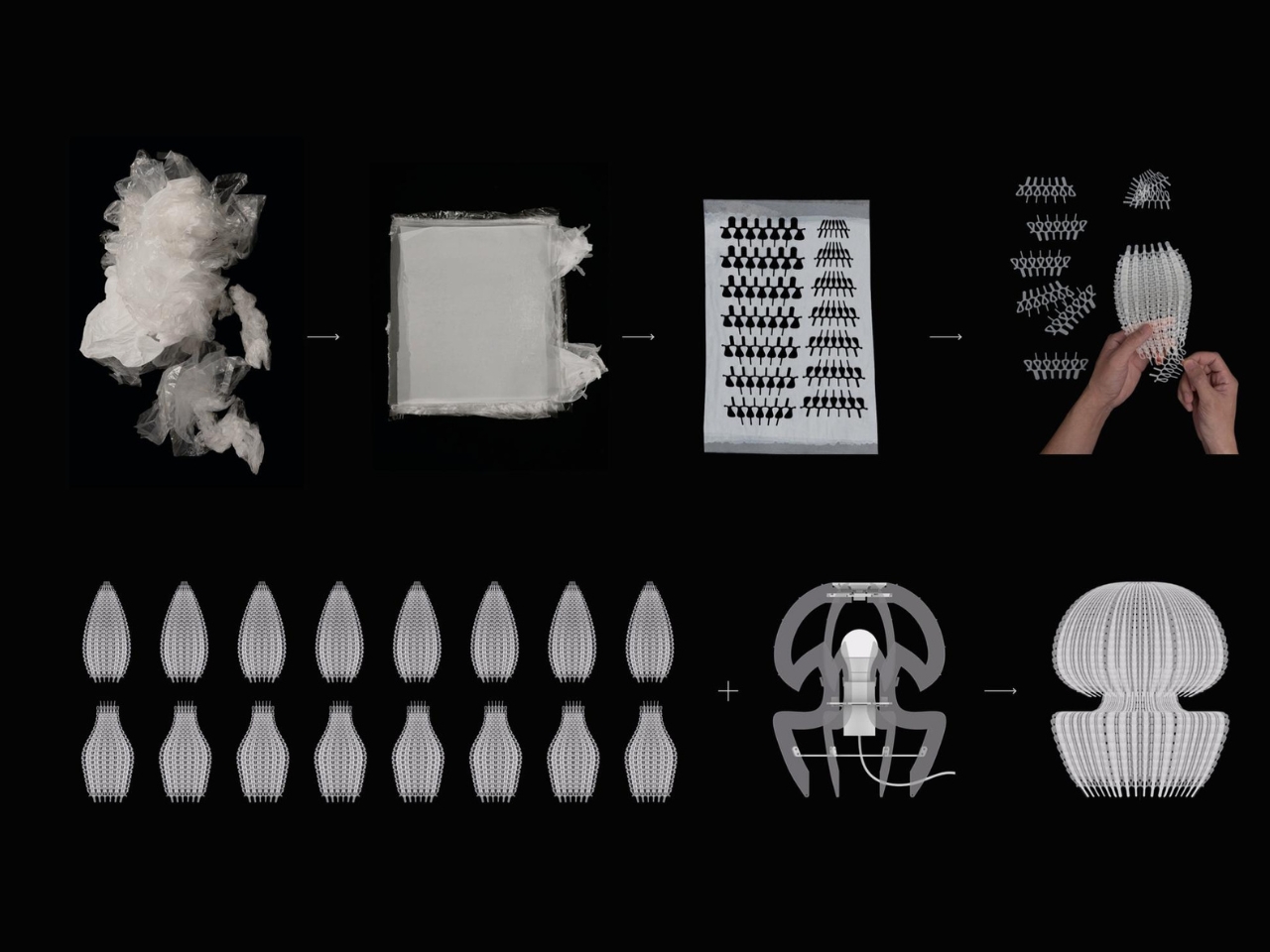
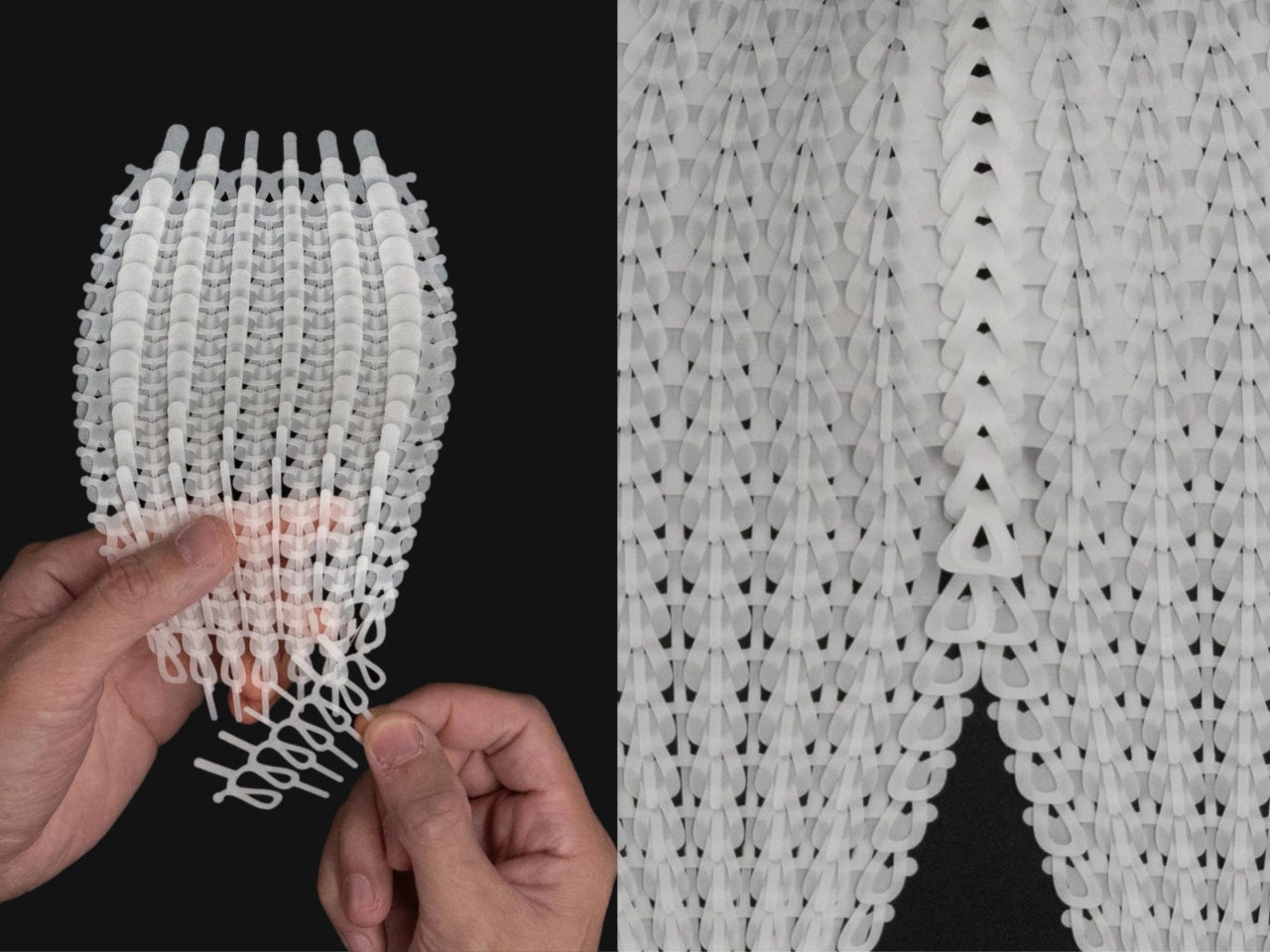
To add durability to these delicate forms, digital concepts are transformed into knitted, foldable units that are strong yet flexible. These pieces are then assembled by hand, completing the process with a blend of technology and craftsmanship — a practical reminder of the need to merge creativity and modern techniques to tackle the pollution crisis.
The Recycling Journey: From Waste to New Materials
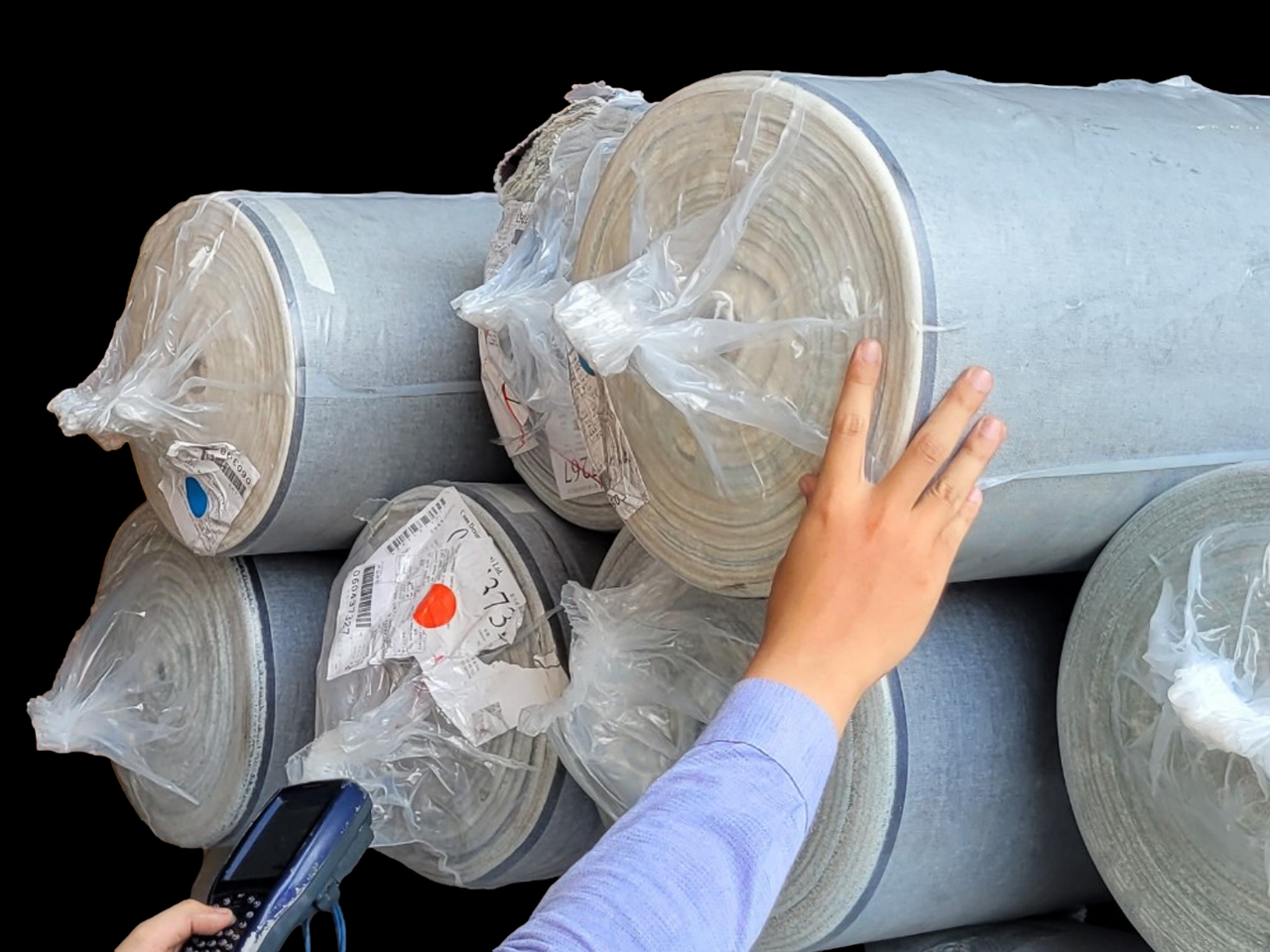
The role of design does not stop at visual inspiration alone — it extends to the very first stages of collecting waste. The story begins with gathering transparent plastic film wrappers, such as high-density polyethylene (HDPE) covers that are commonly used to wrap fabric rolls in the textile industry.
An Overlooked Problem
Although these plastic films are considered waste materials, they rarely receive enough attention in discussions about plastic pollution. However, their abundance and transparency make them highly suitable for innovative recycling methods, instead of adding another burden to the environment.
From Cleaning to Manufacturing
Once collected, these materials are carefully cleaned to ensure quality, then transformed into sturdy plastic sheets using heat-press technology. The process doesn’t stop there — a CNC cutting machine is then used to carve out the required shapes with high precision. Finally, the pieces are assembled by hand into ready-to-use units, highlighting the importance of merging technology and human effort to recycle waste effectively.
The Deeper Message: A Reminder of Our Environmental Responsibility
In the end, the role of these initiatives is not limited to delivering a visual or functional product — at their core, they carry an important message of awareness. Each piece becomes a clear reminder of the need to reflect on our consumption habits and carefully consider the impact that every product we use has on the environment around us.
A Symbolic Nod to Marine Life
The jellyfish-inspired shape symbolizes the marine life threatened by plastic pollution, reminding us that plastic materials which are difficult to recycle through traditional methods can find an alternative path and be reused, instead of ending up in our oceans.
Recycling as Part of the Solution
By reusing plastic bags and transparent packaging films, it becomes possible to reduce the amount of plastic that reaches landfills and our marine environment. This simple idea reinforces the fact that creative solutions can play an effective role in tackling pollution — but only when paired with continuous awareness and a sense of individual and collective responsibility.
✦ ArchUp Editorial Insight
These projects inspire a fundamental question:
How can creative design and digital technologies be used to turn waste into something useful?
The answer lies in combining innovation with environmental awareness, while raising consciousness about the need to reconsider our consumption of materials that are difficult to recycle.
Interestingly, some recent experiments have chosen to draw inspiration from jellyfish themselves — creatures that are among the most threatened by plastic pollution. This visual reference makes design a constant reminder of the relationship between humans and nature.
By reusing plastic bags and transparent packaging films, it becomes possible to reduce the amount of plastic that ends up in oceans and landfills. This simple idea emphasizes that creative solutions alone are not enough unless they are supported by continuous awareness and genuine responsibility.
Explore the Latest Architecture Exhibitions & Conferences
ArchUp offers daily updates on top global exhibitions, conferences, and professional art and design forums.
Follow key competitions, check results, and stay informed through the latest news worldwide.
ArchUp is your encyclopedic hub for discovering events and design-driven opportunities across the globe.


