Eco-ware – Sustainable cutlery design challenge

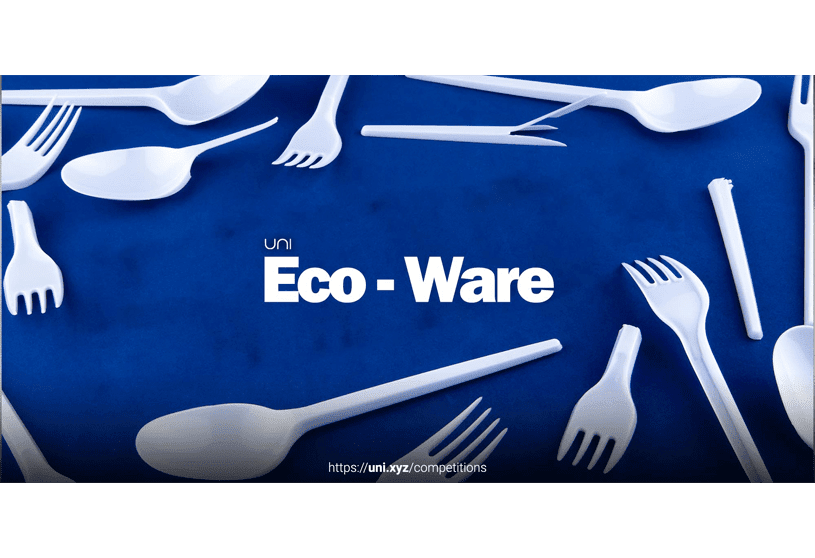
Architecture Competition: Eco-ware – Sustainable cutlery design challenge
PREMISE
Originating from the French word ‘courtlier’, the term cutlery encompasses the range of tools used in cooking, eating, and serving. They were originally termed as silverware or flatware but changed later due to the fact that only the wealthy could afford those tools out of silverware.
The terminology of their name was different during subsequent eras and in distinct locations, but they all served the same purpose, to ease the act of eating. Some cultures still follow the ancient culture of eating with their fingers to make it a wholesome sensory experience, but this is a risky and unhygienic option when it comes to consuming food in outdoor settings.
Spoons and knives are the oldest cutlery to emerge, as a form of cutting meat and scooping, and it took a while before they came into use as a tool to eat food with. Forks came along later when the wife of Henry II brought some forks with two tines, back from Italy and it went viral. To make it more efficient, Germany took a leap and added one or two more tines to the fork, which made the design what it is and widely used, today
MODERN NEEDS
Travelling is a popular trend these days, and this has called for a new need for transport-friendly cutlery. While people looking for a stimulating dining experience can still continue using fine cutlery, it is people on the go, who require a usable form of cutlery that is easy to use during transportation, without having to carry an arsenal in their bag!
Sporks were one quantum leap from the previous invention, forks, that helped reduce the cutlery baggage to an extent but it still needed complimentary utensils to fulfill its purpose. In terms of wares that take up less space, foldable cutlery was invented but the user experience was unpleasant.
To take into play the Ayurvedic logic of a holistic eating experience, with the modularity and convenience that can be achieved through modern means, a leap must be taken by designers to come up with an efficient form of cutlery.
But how the needs of portable cutlery can be designed with constraints of time and budget while keeping them eco-friendly?
BRIEF
Brief: The design challenge here is to develop a set of cutlery that is fitting for a traveler/camper/ adventure enthusiast so that they can eat their food safely. The set must be compact and if needed, washable and should be able to be disposed of without any negative consequences.
The aesthetics and design of the new cutlery must be inventive and original. The material used must be sustainable, with the invention involving compactness and mobility as well. They can be designed to be reusable, giving them a chance to last longer.
A conceptual lifecycle can be devised to recycle them in order to make the proposal more convincing. Cutlery, although not a huge part of our lives, contributes to a large proportion of our wastes, in the form of plastic, use and throw utensils, that will end up in landfills.
The set must comprise the basic spoon, fork, knife, and straws. Additional tools may be added to the line if needed. Designs must first be added to the tools and later to their packaging and aesthetics.
OBJECTIVES
Compact: The cutlery must be carried in compact packaging and create minimal wastage
Portable: The cutlery must be travel-friendly with a firm grip and a cleanable surface
Environment-friendly: Sustainable alternative for the disposable plastic cutlery and packaging
Material: The palette chosen will shape the aesthetic and user feel during the use
Prizes / Deadlines / Registration
For complete information on active prizes and details on the entry fee, visit the Awards & Fees section of the competition here:- Awards&Fees;
Learn more about this competition here: https://uni.xyz/competitions/e…
Follow us on – Facebook: https://www.facebook.com/unide…
Instagram: https://www.instagram.com/uni….
Linked In: https://www.linkedin.com/compa…
Twitter: https://twitter.com/uniQxyz