

Electric Air Taxi Plans to Reshape Saudi Cities with New Vertical Design Typologies

A Future Vision Between Earth and Sky
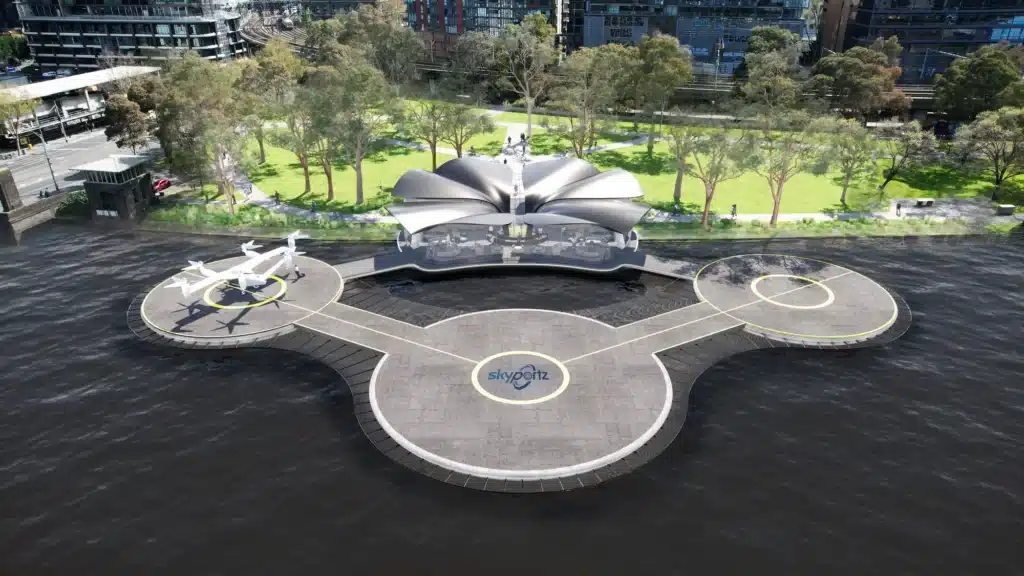
Saudi Arabia is planning to introduce the electric air taxi, signaling a potential transformation in the urban landscape. The sky is expected to become an active layer for daily mobility rather than a silent backdrop. New design patterns are emerging that redefine the relationship between buildings and urban voids. Rooftops are envisioned to evolve into quiet and dynamic mobility platforms. Lightweight materials will integrate with energy systems, creating environments suitable for vertical flight. Architectural masses are designed to rise smoothly, forming pathways that connect the ground to the sky without compromising building balance. This future vision proposes a clean and calm urban model that reflects human interaction with the environment.

Design Concept Architecture Rising Toward the Sky
The planned electric air taxi encourages architects to rethink how buildings relate to surrounding space. The sky is no longer the upper limit of design but an extension for future movement. Planners are identifying precise locations above key buildings to install potential landing platforms. These platforms will be integrated into the architectural mass without adding structural strain. Designs rely on soft, continuous lines to minimize air rebound during landings, giving rooftops a new functional role while preserving the overall identity of the building.

Visitor Experience Smooth Vertical Mobility
Visitors are expected to move through short pathways leading to dedicated vertical mobility points. Specialized elevators will transport them to rooftops at a stable speed. Upon arrival, travelers will find open, organized platforms with clear sightlines. Planned circulation avoids congestion and reduces internal stops. Natural light will fill corridors, creating a visually comfortable experience. The ascent to the roof becomes an integral part of the journey, harmonizing with the movement of the electric air taxi and enhancing the sense of flow and interaction with the environment.

Architectural Details Precise Materials and Technologies
The future electric air taxi demands carefully engineered solutions. Architects design buildings using materials that combine lightness with durability. Engineers equip rooftops with systems that actively respond to wind forces and vibrations.
List of Expected Materials and Technologies:
- Lightweight metal panels reducing structural load by 30%
- Composite vibration-resistant surfaces absorbing 40% of air rebound
- Smart navigational lighting systems with over 90% accuracy
- Dedicated vertical mobility elevators reducing transit time by 25%
- Integrated electric charging units supporting 10–15 flights per day
- Heat-treated low-reflection glass reducing glare by 60% for pilot safety
These elements will transform rooftops into active architectural components capable of safely accommodating vertical air traffic.
Sustainability Cleaner Cities with Low Emissions
The future electric air taxi supports cities’ shift toward cleaner, environmentally friendly systems. Rooftops will integrate electric charging units to reduce reliance on conventional fuel. Materials will minimize heat transfer and enhance operational efficiency. Aircraft are designed to operate at sound levels up to 80% lower than conventional helicopters, allowing platforms to be placed within neighborhoods without disturbing residents. Neutral rooftop colors will help maintain the skyline without creating visual disruption.
A New Urban Vision Interconnected Layers of Movement
The electric air taxi plans aim to reorganize urban mobility. Buildings will act as nodes linking the ground, interiors, and sky. Rooftops will transform into a potential daily transportation network operating with precision. Commercial centers and hotels will gain new functional roles within this vertical network. The city will evolve into a three-level movement system, reducing ground-level noise thanks to clean vertical mobility.
Conclusion Cities Interacting with the Sky as Part of Their Identity
The future electric air taxi proposes an integrated architectural model combining quiet movement with clean technology. Rooftops will become part of the daily urban transportation grid, with advanced systems merging seamlessly with architectural masses while maintaining place identity. These plans prepare cities for a more efficient and sustainable future, embracing technological progress without compromising environmental or visual standards.
ArchUp provides an encyclopedic database featuring updates on major events and exhibitions, with regular updates to competitions and official results.
✦ ArchUp Editorial Insight
The proposed designs for the electric air taxi feature layered and fluid rooftops that interact with airflow, giving buildings a futuristic visual presence. Lightweight and durable materials emphasize the structural functions of the roof while supporting urban sustainability. However, integrating landing platforms with architectural masses presents challenges regarding load management and vertical circulation, requiring careful planning for safety and flow. Open spaces and elevated platforms can enhance the visitor experience and create engaging visual interactions, while preserving the building’s identity. Overall, these plans offer a clear vision for future cities, combining innovation, aesthetics, and practical functionality.



ArchUp Editorial Management
The article provides a comprehensive futuristic vision of the urban and engineering dimensions of air taxi integration into urban fabric, with a distinguished focus on the relationship between architectural design and vertical mobility. To enhance its archival value, we would like to add the following technical and structural data:
We would like to add that:
· Structural Specifications: 15-meter diameter landing platforms supporting dynamic loads up to 2,000 kg, with reinforced steel structure achieving safety factor 3.5, and wind resistance up to 120 km/h
· Technical Systems: 150 kW wireless charging systems with 15-minute charging time, Visual Line of Sight (VLOS) navigation system with ±0.5 meter accuracy, and LED navigation lights with 2,000 candela intensity
· Environmental Standards: Noise levels not exceeding 65 dB at 50 meters distance, zero carbon emissions, and energy consumption of 1.8 kW/km
· Urban Integration: Vertical flight paths at 50-150 meter altitudes, with 25-meter radius safety zones, and infrared-based navigation lighting for nighttime operations
Related Link:
Please review for a comparison of urban air mobility infrastructure technologies:
[Vertical Aviation Architecture: Designing Cities for Sustainable Aerial Mobility]
https://archup.net/tradition-in-flight-zaha-hadid-architects-weave-lithuanian-heritage-into-vilnius-airport-terminal/