Lorimer Tower and The Copper Lofts: An Integrated Model Redefining Housing in the Broadway Triangle


Establishing a New Architectural Presence with 336 Residential Units
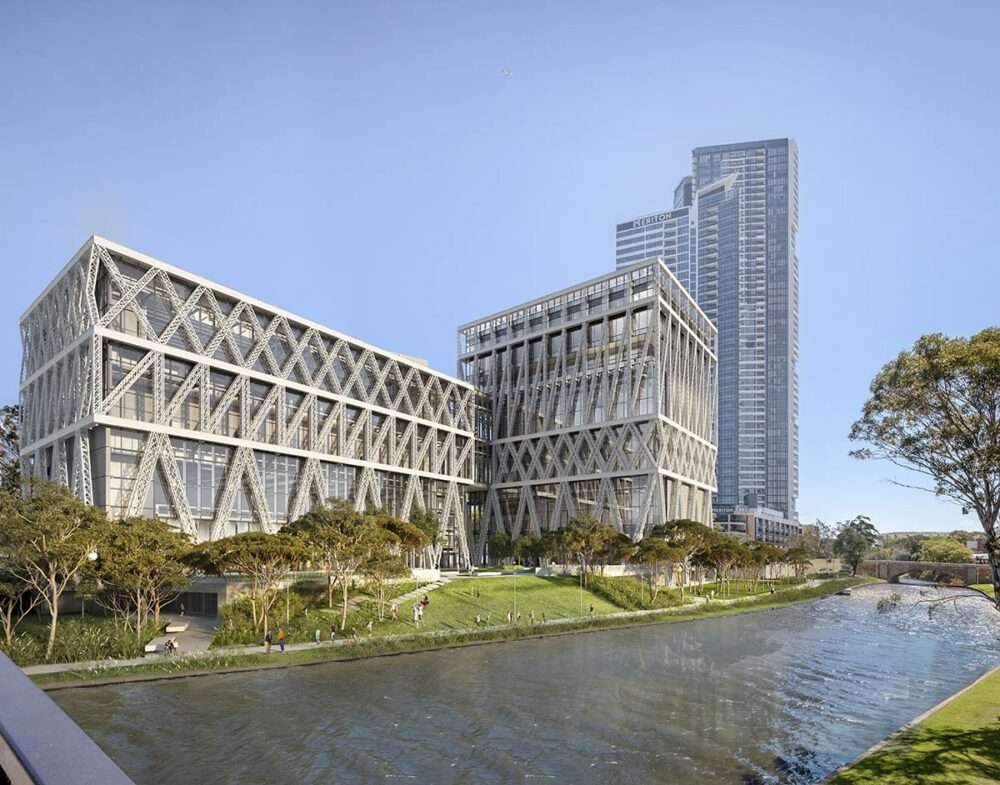
A new residential complex has emerged at the heart of Brooklyn’s growing Broadway Triangle, serving as a genuine architectural anchor for the area. The design merges two distinct masses. The taller tower holds 270 residential units. The smaller group comprises 66 luxury homes. These blocks are connected by an elevated bridge. This unified composition sets a new standard in the neighborhood. It affirms that strong urban design enhances the living experience in rapidly evolving districts. The project represents a step toward achieving the principle of equitable housing in Brooklyn.

The Journey: From Street Level to Green Depth
The architectural experience begins at the ground level. The design carefully integrates the building with pedestrian movement. Rounded corners soften the main triangular mass. This lessens its visual sharpness on the street. This design language aims to reflect the character and urban fabric of the surrounding neighborhood. The structure is set back at specific points to create green spaces. This establishes a direct connection between the interior and exterior environments.
Greenery extends into the pedestrian realm through integrated, well-thought-out planters. The visitor senses calmness when moving from the street’s bustle into the depth of the block. There, three inner courtyards welcome residents, designed for privacy and communal interaction. These courtyards function as the lungs of the project. They draw daylight and fresh air into the deepest parts of the complex.

Addressing the Social Challenge: Merging Efficiency with Design
Integrating affordable housing units forms a cornerstone of this development. The complex includes the allocation of 30% of total units as affordable housing. This confirms that design must exceed its aesthetic role. It should become a tool for social equity. This commitment to delivering high-quality architecture across different income levels advances the agenda for equitable housing in Brooklyn.
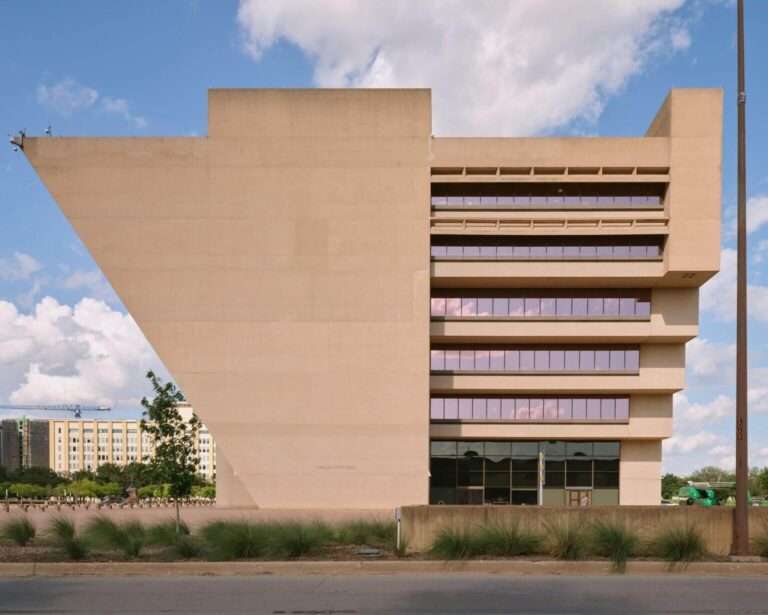
The façade relies on a balanced visual rhythm. Light gray brick was used to create a calm backdrop. This harmonizes with horizontal metal bands and vertical piers. These elements define a regular pattern on the façade.
Summary of Core Materials and Techniques:
- Exterior Materials: Light gray brick covers approximately 90% of the total façade.
- Vertical and Horizontal Components: Metal bands and vertical piers represent 10% for rhythmic definition.
- Green Spaces: 3 inner courtyards are dedicated to maximizing natural light penetration.
- Massing Form: Rounded corner design to soften the triangular mass.

Facilities Serving an Integrated Community
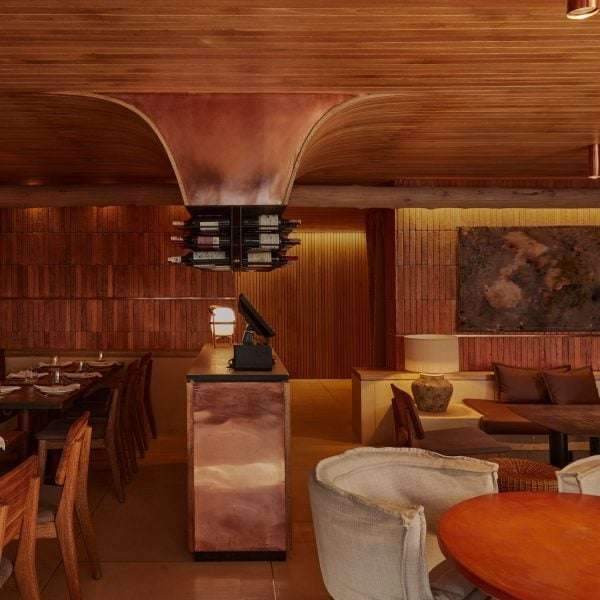
The focus was not limited to the exterior design. The design philosophy extends inward. The internal color palette is warm and suggests comfort. The colors include terracotta, sage, and beige. These colors flow seamlessly toward the terraces and external gardens. The complex provides over 40,000 square feet of shared recreational facilities. This focus strengthens community life.
Coworking lounges are available. There is an integrated fitness center. Facilities include children’s playrooms. There is also a pet spa. Residents can access multiple rooftop terraces. These terraces offer extensive views of Manhattan city. The project reflects a human-centered vision of architecture. It weaves together material, landscape, and shared living. This ensures the promotion of equitable housing in Brooklyn.

✦ ArchUp Editorial Insight
The Lorimer House and The Copper Lofts complex represents a measured approach to urban planning in Brooklyn’s Broadway Triangle. The architectural design is visually clear, contrasting the tall tower with the smaller 66 loft group, using muted gray brick and rounded corners to soften the geometric mass. The core critique lies in the challenge of merging a dual social program (luxury versus 30% equitable housing in Brooklyn) under a single visual identity. Is the connecting bridge and the balanced façade rhythm sufficient to mask the functional segregation? However, the project merits acknowledgment for integrating a significant volume of affordable units within a noticeably high-quality development plan, setting a valuable precedent for future evaluation of similar urban structures.