Game Architecture: How Minecraft and Fortnite Are Shaping a New Vision for Design

In recent years, video games have grown far beyond just entertainment. They’ve become spaces for creativity, experimentation, and even exploring architectural ideas that are difficult or impossible to try in real life. Titles like Minecraft and Fortnite aren’t just popular—they’re reshaping how we think about buildings, cities, and space itself.
Minecraft: Play as a Design Tool
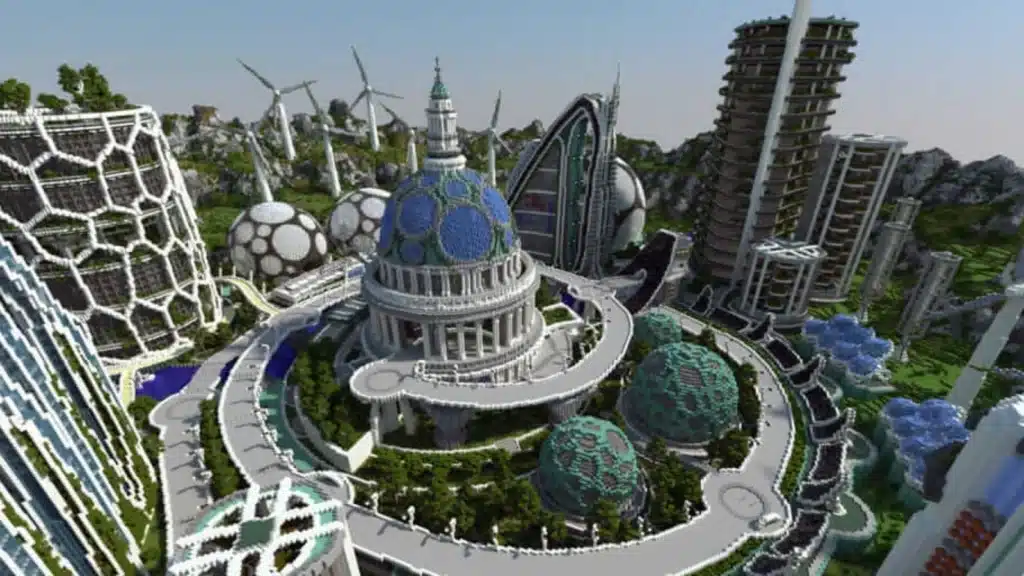
Minecraft is more than just a game—it’s a sandbox where anyone, regardless of age or experience, can bring their ideas to life. Built on a system of cubes, the game offers a kind of digital workshop for testing out architectural concepts.
How does Minecraft support architectural thinking?
| Feature | Explanation |
|---|---|
| Simplicity in building | The block-based design makes construction accessible to everyone. |
| Limitless creativity | No budget, no constraints—just imagination and trial-and-error. |
| Collaboration | Players work together on shared projects, promoting teamwork in design. |
It’s no surprise that some educators now use Minecraft to introduce architecture concepts in schools and workshops.
Fortnite: Fast Design Under Pressure
Fortnite may be known for action-packed battles, but its Creative Mode opens a different door. It’s a fast-paced environment where users build under tight conditions, using limited resources and receiving instant feedback.
Why is Fortnite relevant to architecture?
- Quick decision-making: Like real-world projects, you need to act fast with limited tools.
- Real-time feedback: If your design doesn’t work or attract interest, players simply move on.
- Imaginative freedom: From futuristic cities to surreal landscapes, the possibilities are endless.
Games Inspiring Real-World Architecture
What starts in a digital world is now influencing real architecture. Designers are beginning to draw from their gaming experiences—especially in crafting flexible, adaptive spaces.

A look at key differences:
| Aspect | Real-World Architecture | In-Game Design |
|---|---|---|
| Cost | High, with strict budgets and permits | Low to none—experimentation is risk-free. |
| Time | Months or years to complete | Projects can be done in hours. |
| Design Flexibility | Bound by building codes and laws | Total freedom to test and reimagine. |
| User Interaction | Limited after construction | Immediate and ongoing within gameplay. |
The Future: Blending Games with Real Design
We’re entering a new design era, where games act as testing grounds before real-world execution. In the near future, we might see:
- Design software connected directly to gaming platforms.
- AI tools that analyze in-game structures and suggest improvements.
- Learning programs that teach spatial thinking through Minecraft or Fortnite.

✦ ArchUp Editorial Insight
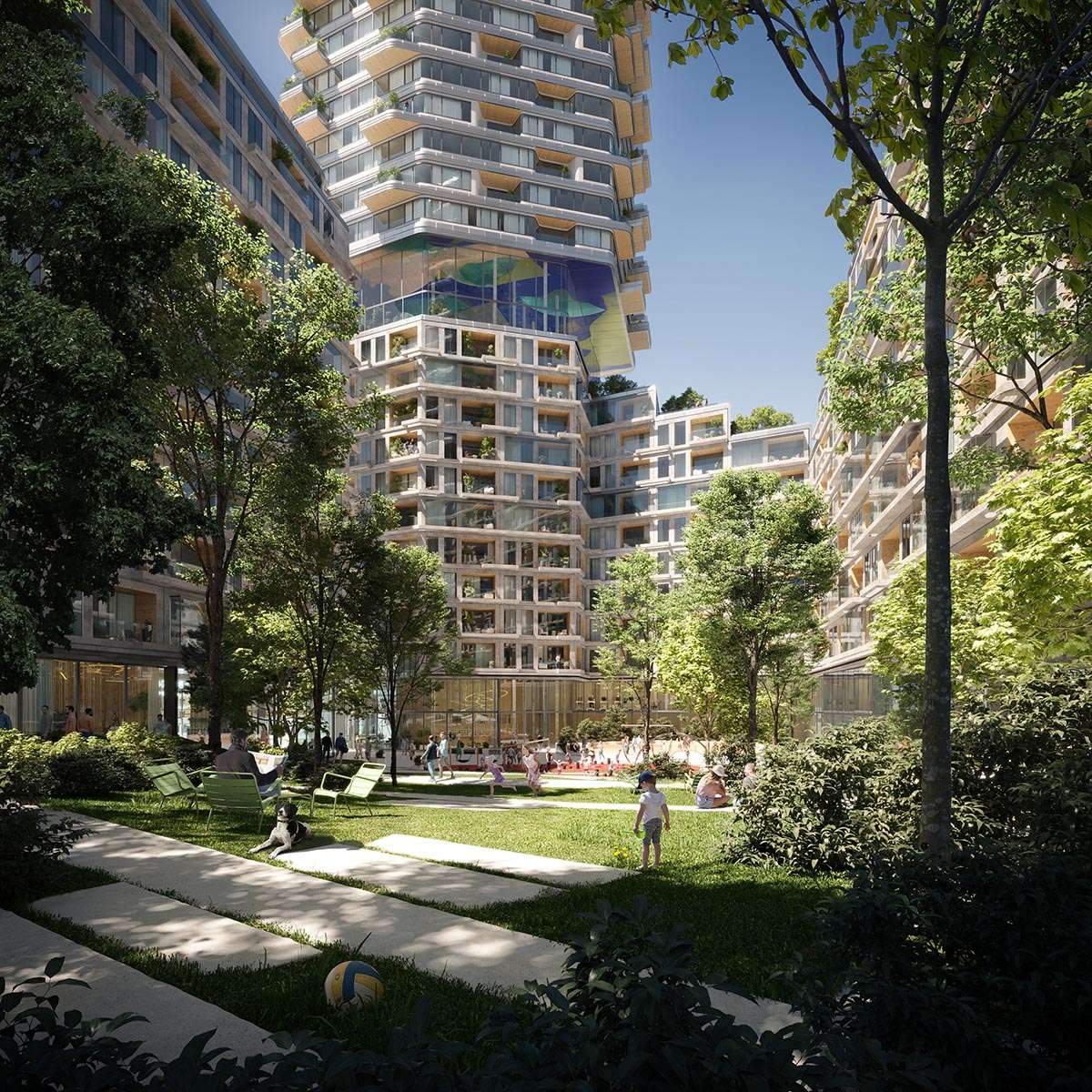
This article explores how video games like Minecraft and Fortnite have evolved into creative platforms for spatial experimentation. The imagery highlights intricate cityscapes and futuristic structures rendered entirely within digital environments. Block-based compositions in Minecraft evoke modular design thinking, while Fortnite’s fast-paced builds mimic real-world constraints of time and interaction. However, despite the conceptual richness, the article misses an opportunity to critically address how these virtual models translate into real architectural discourse. Could these platforms move beyond play into validated design tools? Still, the cross-generational appeal and accessibility of these environments present a valuable shift in how architectural literacy might evolve.
Explore the Latest Architecture Exhibitions & Conferences
ArchUp offers daily updates on top global architectural exhibitions, design conferences, and professional art and design forums.
Follow key architecture competitions, check official results, and stay informed through the latest architectural news worldwide.
ArchUp is your encyclopedic hub for discovering events and design-driven opportunities across the globe.