Jan Michalski Foundation in Switzerland Reinforces Literary Architecture and Global Cultural Exchange

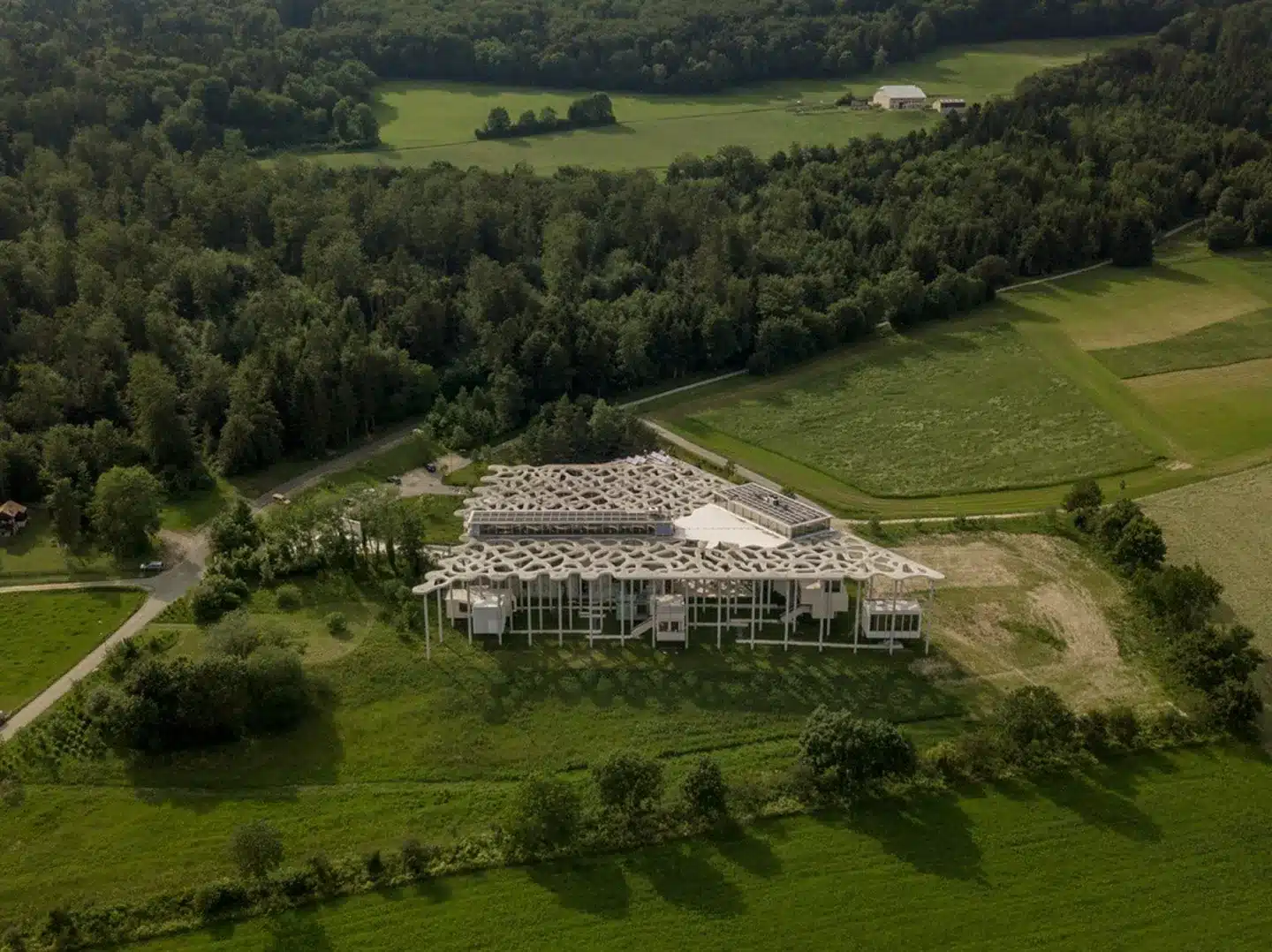
The Jan Michalski Foundation for Writing and Literature in Montricher, Switzerland, strengthens its position as a global literary hub. Located at the foot of the Jura Mountains, the foundation combines cultural programming with distinctive architecture to support writers, readers, and international exchange.
Architecture Rooted in Landscape
The foundation sits within a natural setting that shapes its architectural identity. The complex integrates reading spaces, exhibition halls, and writer residences under a unified concept. This approach reflects a broader dialogue between architecture and landscape.
The project includes elevated residential units that provide privacy for writers. Meanwhile, shared public areas encourage interaction and debate. The spatial organization balances isolation and community, which supports creative work. As a result, the site functions as both retreat and cultural platform within the surrounding Swiss context.
The design also responds to environmental conditions. It uses carefully selected building materials that blend with the terrain. Therefore, the project demonstrates how cultural buildings can coexist with sensitive landscapes.
A Multilingual Library and Public Cultural Space
The foundation opened its multilingual library to the public in 2014. It now houses around 80,000 works in major world languages. The library operates as the project’s intellectual core and anchors its spatial layout.
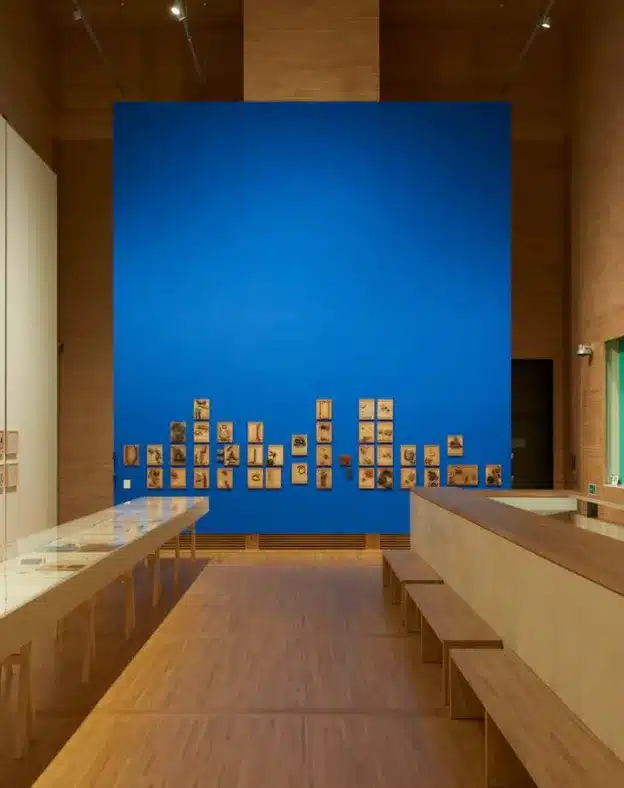
Visitors move between reading rooms, exhibition areas, and event spaces. Moreover, the foundation organizes annual exhibitions that explore links between literature and visual arts. Talks, readings, and debates activate the interior throughout the year. These programs connect interior design with curatorial strategy.
Through this model, the project expands access to literature beyond national borders. It also contributes to cultural life in smaller Swiss communities, showing how cultural infrastructure can influence regional cities.
Residencies, Prizes, and Global Exchange
The foundation runs international residencies for writers and translators each year. These residencies use purpose-built units designed for concentration and long-term stays. Meanwhile, communal areas encourage dialogue among participants.
In addition, the foundation awards an international literary prize and supports publishing initiatives worldwide. These programs strengthen cross-cultural exchange and reinforce literature as a global practice. The project aligns its mission with broader discussions about cultural sustainability.
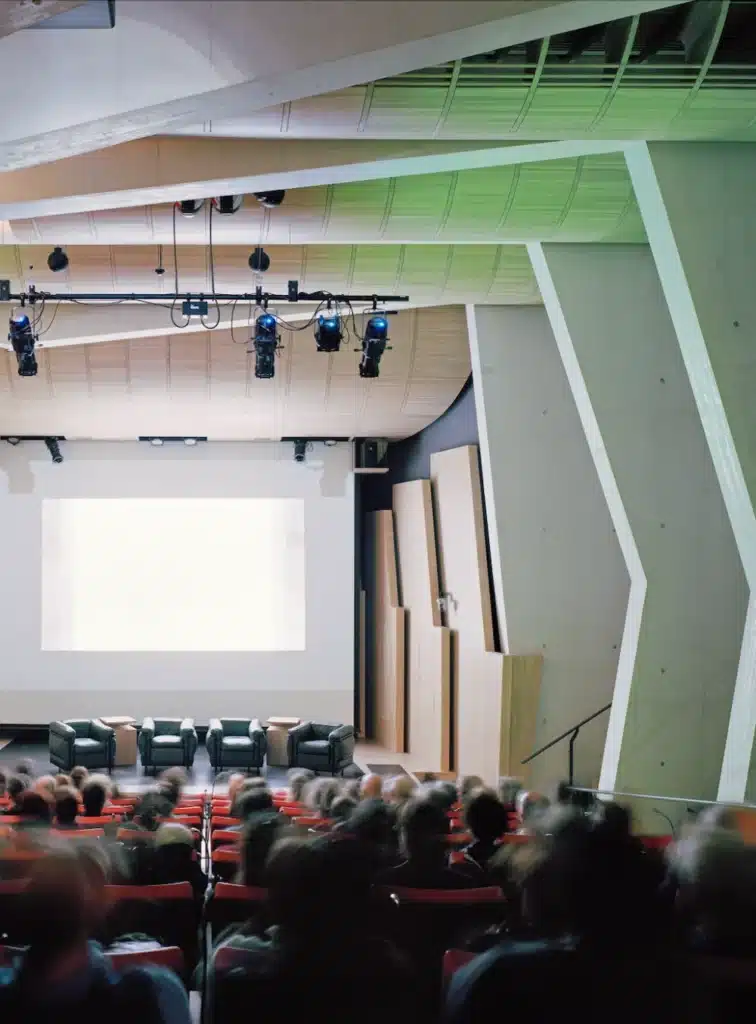
Auditorium during a literary talk at the foundation. Image © Leo Fabrizio
As cultural institutions adapt to new challenges, this foundation illustrates how thoughtful construction and programming can operate together. It continues to appear in international news as a reference point for hybrid cultural spaces.
A Quick Architectural Snapshot
A cultural complex in Montricher, Switzerland, combining library, exhibition halls, and writer residences. The project integrates architecture with landscape, supports global literary exchange, and connects public programs with private creative spaces. A model for cultural buildings that merge retreat, research, and community engagement.
✦ ArchUp Editorial Insight
The Jan Michalski Foundation operates as a physical manifestation of high-net-worth cultural philanthropy meeting decentralized urban planning. The decision to locate a major literary hub in a remote mountain setting reflects a specific economic logic: the deliberate extraction of creative labor from urban market pressures. This spatial isolation is a symptom of a wealth model that can afford to bypass traditional municipal infrastructure in favor of private, self-sustaining campuses. The architecture responds to the behavioral requirement for “deep work,” which dictates the separation of residential cells from communal library functions. Furthermore, the multilingual focus serves as a strategic hedge against localized cultural stagnation, ensuring global relevance through institutional branding. This project is the logical outcome of private capital + Swiss land-use flexibility + the globalization of elite cultural production.