Planning permission granted for temporary modular accommodation at MOD Bicester


The UK government has granted planning permission for the temporary use of MOD Bicester Site A in Oxfordshire as non-detained asylum accommodation. The decision was added to the official case record on 13 November 2026 under the Urgent Crown Development route. The permission allows a phased scheme for up to 1,256 service users, but it does not itself authorise the site to open.
What the permission covers
The approved planning scope combines adaptation, demolition and new construction. It retains and changes the use of Building A6, removes other existing buildings and structures, and allows new modular accommodation. The application also includes health and welfare facilities, a wastewater treatment plant, internal roads and access ways, security infrastructure, parking, staff facilities, open space and recreation areas.
The stated temporary period is ten years. That duration matters because a scheme described as temporary still requires a full site servicing strategy and long-term operational planning. The published application record includes assessments covering utilities, transport, fire safety, flood risk, drainage, archaeology and heritage, ground conditions, unexploded ordnance, landscape, noise, air quality and ecology.
Professional significance
For architects and delivery teams, the decision illustrates that modular accommodation is not simply a procurement choice for repeatable units. At this scale, the architectural task sits inside a wider infrastructure plan: retained buildings must work with new modules, wastewater and drainage must support the proposed population, and circulation, security and open space must be coordinated as one operational environment.
The use of the Urgent Crown Development procedure also changes the approval context. The application was determined through a national route rather than by the local authority, while local planning concerns remained part of the representation process. That distinction is relevant to consultants working on nationally important or time-sensitive public projects, where programme pressure does not remove the need for technical evidence, but can change who makes the decision and how quickly it is processed.
What has not been decided
The Home Office states that planning permission is only one part of the wider feasibility and due diligence process. No final decision has been made to use the site, and any proposal remains subject to further assessments, approvals and compliance with planning conditions. Contract awards for design, technical assessment or site management are likewise not evidence that the accommodation will open.
ArchUp therefore reads the development as a planning milestone, not as a completed project or an operational facility. The professional question now moves from whether the site has planning permission to whether the applicant can satisfy the remaining conditions, technical checks and operational approvals without blurring a temporary planning consent into a claim of delivery.
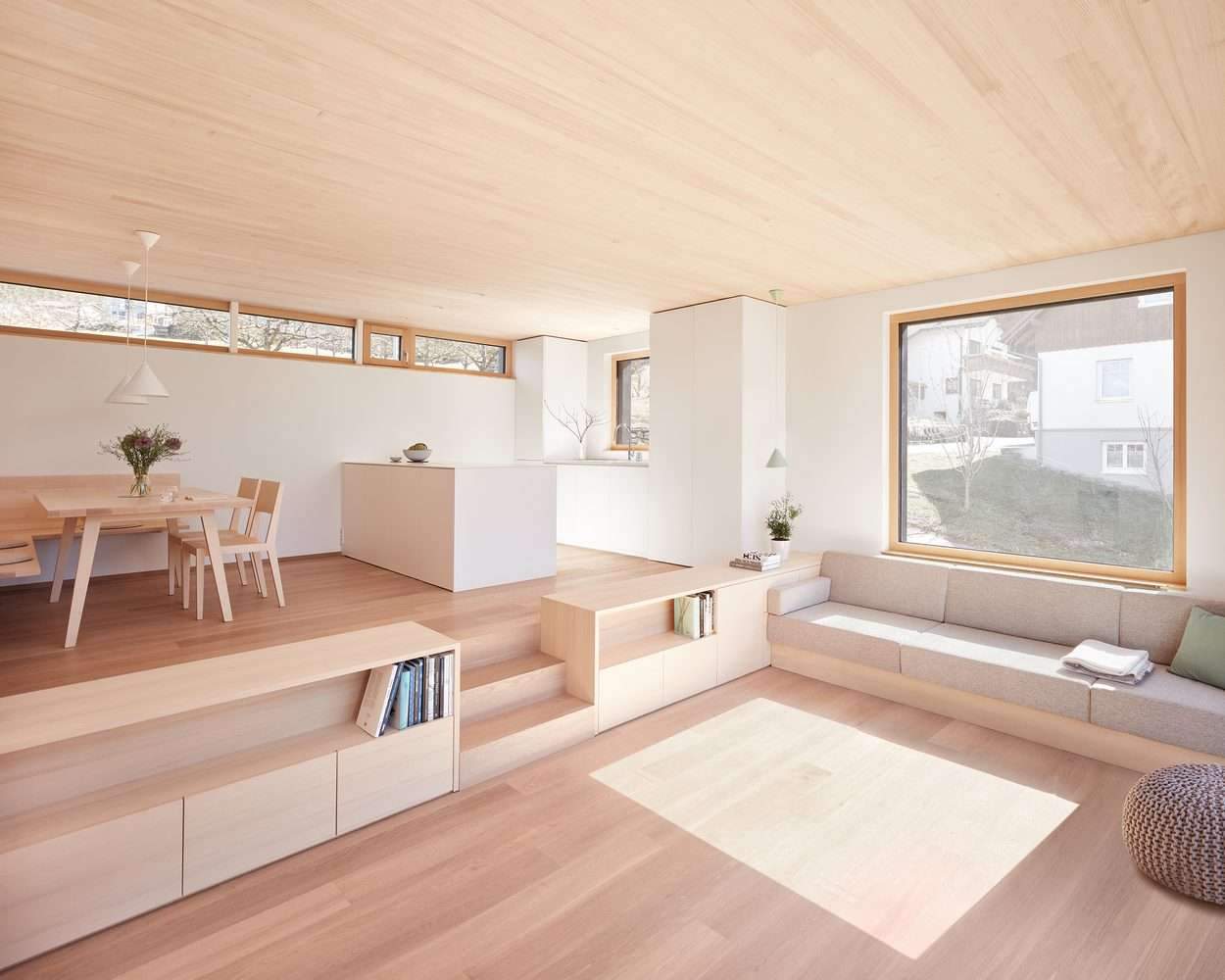
Featured image: Archival illustration of modular site accommodation in London. It does not show MOD Bicester. © MChe Lee.