Obama Presidential Center Opens June 19 in Historic South Side Chicago

The Obama Presidential Center will welcome its first visitors on June 19, 2026, following years of planning and construction. The facility occupies a 19.3-acre site in Chicago’s Jackson Park. The opening date coincides with Juneteenth, a deliberate choice reflecting the center’s mission to address ongoing challenges in historically underserved communities.
Cultural Destination Anchors Community Development
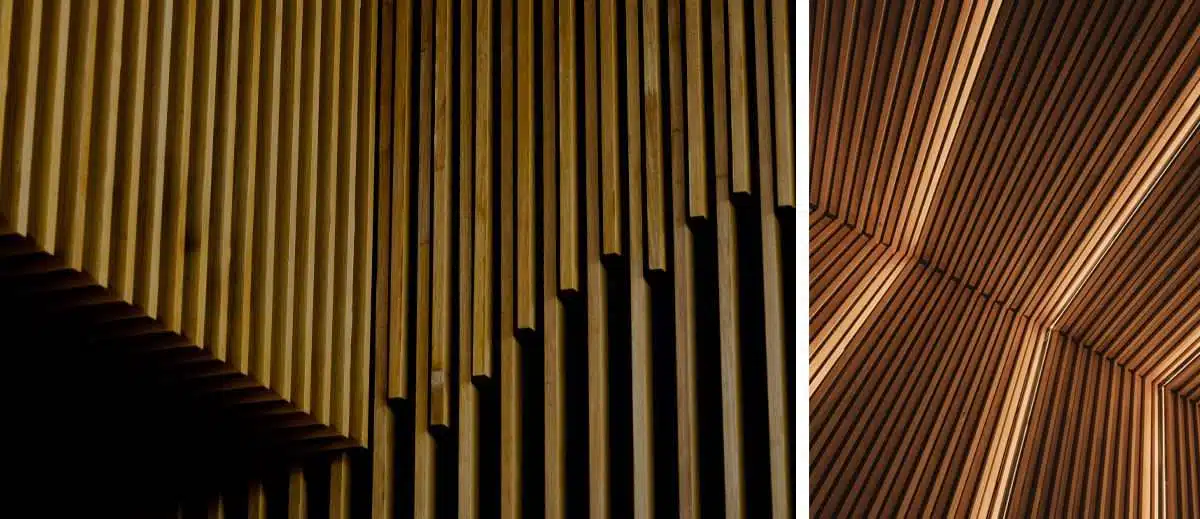
The architecture centers on a museum tower rising above Jackson Park. Tod Williams Billie Tsien Architects designed the complex to integrate public space with cultural programming. Words from Obama’s 2015 Selma speech appear on the museum exterior, beginning with “You Are America.” These inscriptions feature cut letterforms that channel light into interior spaces.
However, the project faced significant opposition from local activists concerned about displacement. Legal challenges delayed construction for years as opponents questioned using public parkland for the development. The controversy highlights tensions between cultural investment and gentrification pressures affecting South Side neighborhoods.
Free Public Amenities Define Campus Experience
Most facilities require no admission fees. The campus includes an accessible playground, a Forum building for programming, public art installations, and landscaped walkways connecting to the Museum of Science and Industry. A Chicago Public Library branch will serve residents year-round.
Moreover, the interior design prioritizes community access over exclusive experiences. Museum tickets will be available in May 2026 with pricing matching other Chicago cultural institutions. Timed entry manages visitor flow while keeping surrounding grounds freely accessible.

Four-Day Celebration Launches New Civic Space
Opening celebrations run June 18 through 21. The dedication ceremony on June 18 features global livestreaming from John Lewis Plaza. Public access begins June 19, with weekend festivals offering performances, family activities, and storytelling across campus.
Meanwhile, the timing carries symbolic weight. The March 7 announcement marked the anniversary of Selma to Montgomery marches. This connection emphasizes ongoing work toward equity in American cities. The center positions itself as an active platform rather than a historical monument.
Development Reshapes Urban Landscape
The 830 million dollar project transforms Jackson Park, site of the 1893 World’s Columbian Exposition. That event shaped American architecture for decades. Therefore, building here connects contemporary civic design to Chicago’s cultural legacy.
Nevertheless, questions persist about community impact. Rising property values may displace longtime residents despite promises of local hiring and economic opportunity. The center’s success will ultimately depend on balancing tourism revenue with neighborhood sustainability.
Foundation CEO Valerie Jarrett emphasized everyday participation over celebrity focus. The programming model differs from traditional presidential libraries by prioritizing active engagement. Visitors can access resources for community organizing and civic participation.
A Quick Architectural Snapshot
The Obama Presidential Center occupies 19.3 acres in Chicago’s Jackson Park, featuring a museum tower designed by Tod Williams Billie Tsien Architects. Opening June 19, 2026, the complex includes free public spaces, a library branch, and landscaped grounds connecting historic buildings and lagoons. Museum admission requires timed tickets available from May 2026.
✦ ArchUp Editorial Insight
Presidential centers have evolved from archival repositories into economic development tools. The Obama Presidential Center follows this trajectory while adding explicit community engagement programming. The project emerged from three converging pressures: post-industrial cities competing for cultural tourism revenue, philanthropic foundations seeking permanent physical presence, and neighborhoods demanding investment without displacement.
Jackson Park’s selection reflects calculated risk. The site offers symbolic resonance through its World’s Columbian Exposition history. However, it also invited legal challenges that delayed construction for years. This tension between symbolic value and practical obstacles defines contemporary civic architecture.
The free admission model for campus grounds signals awareness of gentrification concerns. Yet museum ticketing maintains revenue streams. This hybrid approach attempts to balance accessibility with financial sustainability.
This project is the logical outcome of presidential legacy-building ambitions, Chicago’s South Side investment gap, and growing public skepticism toward institutions claiming community benefit while reshaping neighborhood economics.