Research: meeting rooms costs 55% more than office pods


As employers grapple with how to make the most of their costly office real estate and accommodate the prevalence of video calls, Framery, a soundproof booth manufacturer, has discovered that, by 2030, investing in office pods rather than building meeting rooms could save US companies up to $30 billion. According to Jussi Niemistö of real-estate investor CBRE, the move to remote working during the pandemic has triggered a shift in office layout, leading to an increased need for flexible and adjustable spaces in order to win back employees. Framery and CBRE conducted research in which they compared the cost of one-, four- and six-person office pods to that of equivelant meeting rooms in different cities.
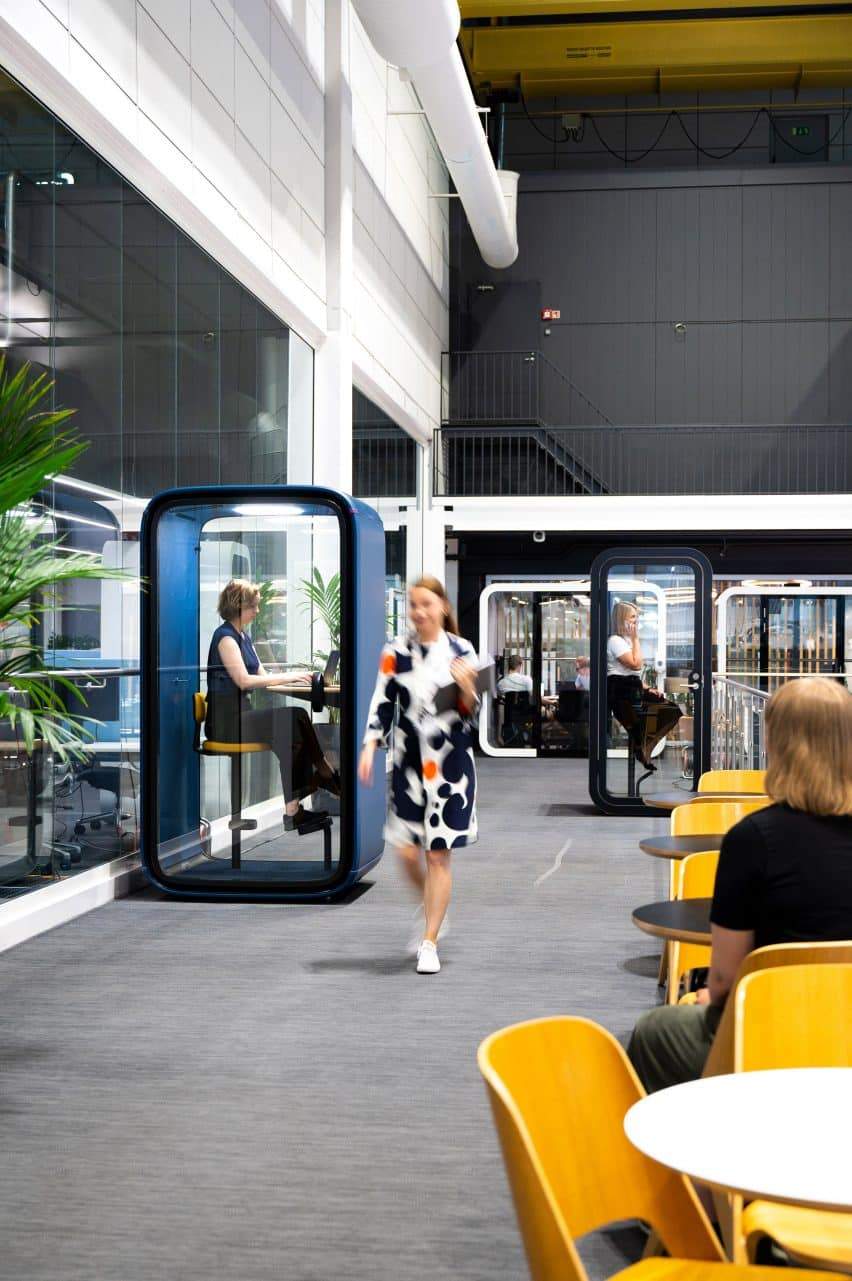

Their findings showed that meeting pods were dramatically cheaper― on average, constructing the same size room cost 55% more. In New York, CBRE calculated that obtaining 1 Framery booth was 155% cheaper than constructing a permanent phone room.
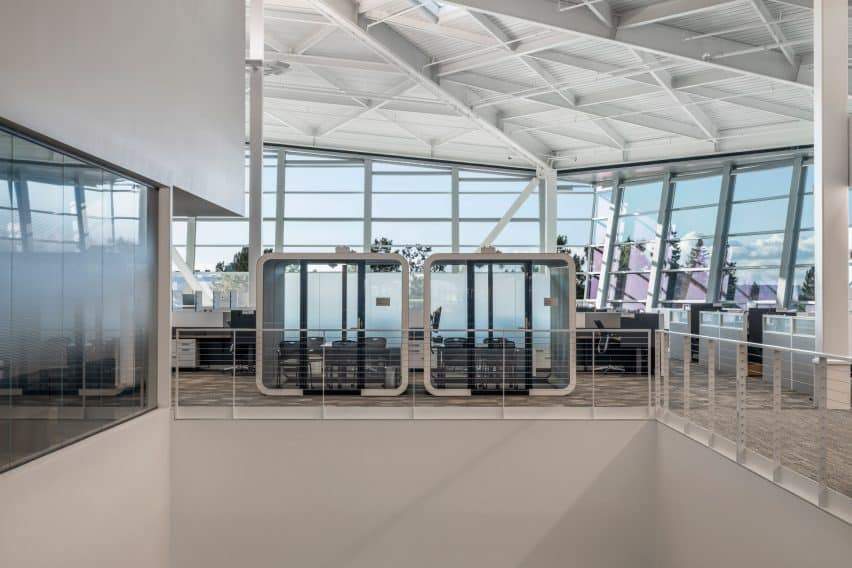
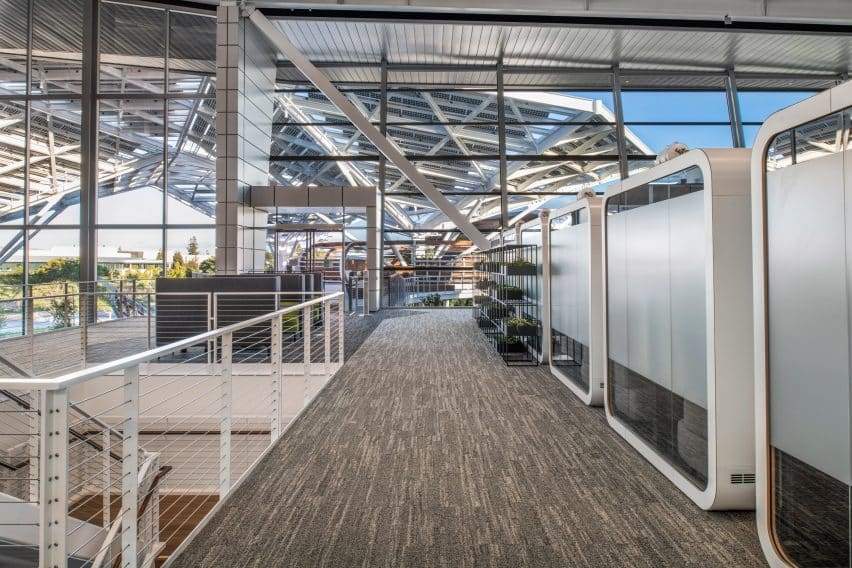
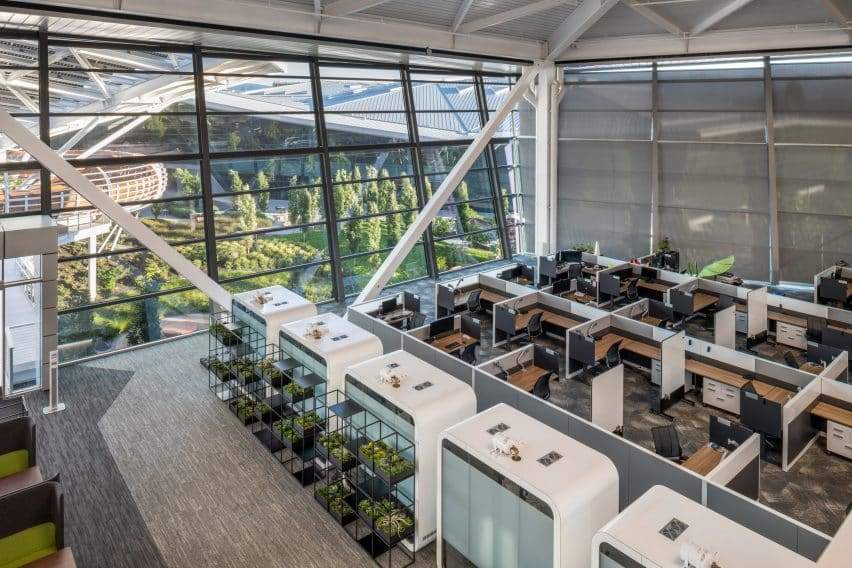
The expanding demand for pods is largely driven by employees themselves, with Cushman & Wakefield’s separate research revealing that almost half of all office space in the US requires refurbishment to suit hybrid working by the end of the decade. Framery’s calculations based on CBRE’s research point towards this update costing over $85 billion― conversely, the same area of Framery pod space could be purchased for just $55.5 billion. Company CEO Samu Hällfors also highlights pods’ ability to reduce running costs, as they allow for greater flexibility in reconfiguring the workspace, and can easily be relocated. With the emergence of over two-hundred manufacturers worldwide, office pods have revolutionised the way in which we think of traditional workplaces. By investing in these cost-effective solutions, employers can provide employees with an innovative work experience, and motivate them to return to the office.
Finally, find out more on ArchUp: