P-Tap eliminates the need for power lines that are transparent


Power Tap (P-Tap), developed by Cohda Design, enables for undetectable power distribution through glass, eliminating the need for cables.
Cohda Design has devised a novel means of distributing power discreetly through the glass. Additionally, Power-Tap (P-Tap) uses transparent conductive coatings to transfer power to any device without the use of cables.
P-Tap is a conductive and non-conductive glass laminate that is transparent. We can transport power or data between specific layers within the lamination thanks to this design.
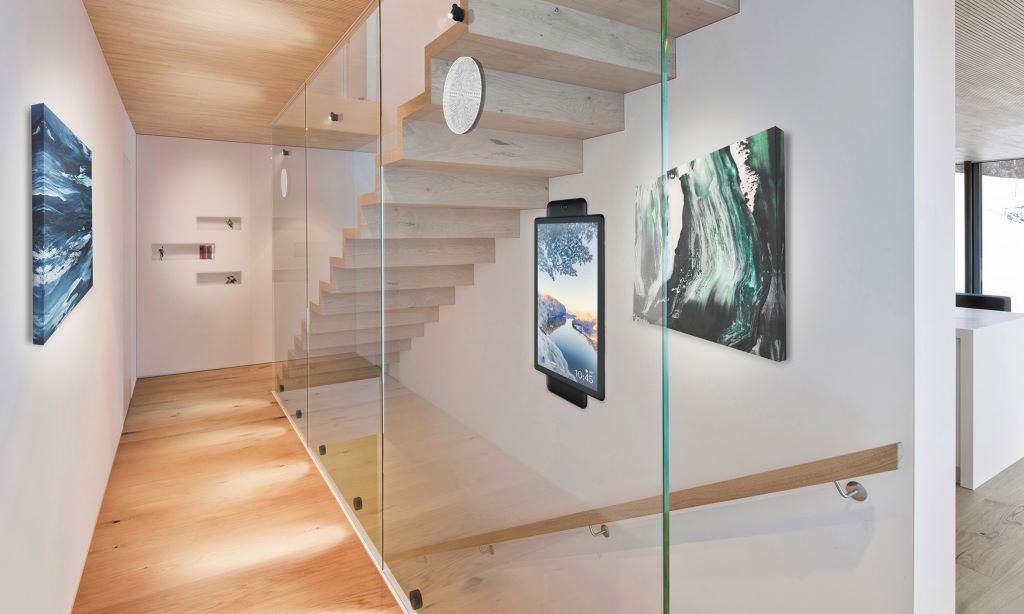
Furthermore, taps to the positive and negative charged inner coatings that supply power to embedded devices are created by pre-machined apertures. These connected devices appear to float freely within an optically clear glass panel with no visible power supply.
The elimination of wires opens up a world of possibilities for designers, architects, and engineers when it comes to placing powered equipment within transparent constructions. USB ports, induction charging pads, motors, cameras, sensors, and digital displays are examples of devices that we can easily incorporate.
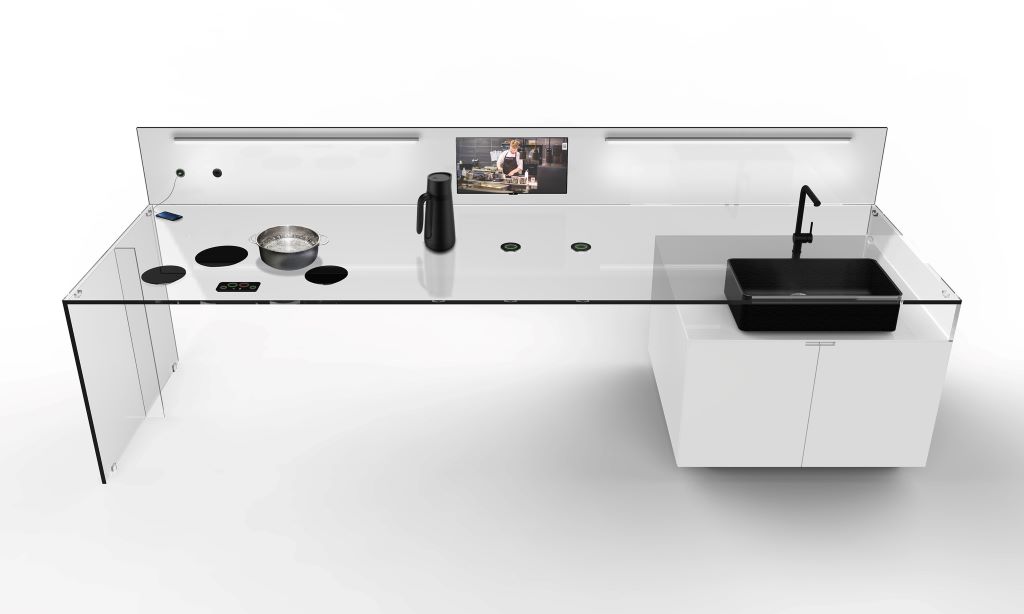
Finally, museums are using LED-lit display cases and shelving systems, and high-end retail outlets are using induction charging smart tables. Architecture, security, automotive, retail, and lighting are just a few of the markets where we can find broader applications.
Read more on Archup:
https://archup.net/nomas-professional-development-program-for-architecture-students-at-hbcus-is-propelling-the-field-forward/
https://archup.net/furniture-retransformed/
https://archup.net/newly-fabricated-judd-doors-are-a-key-component-in-schaum-shiehs-restoration-of-the-chamberlain-building-in-marfa/