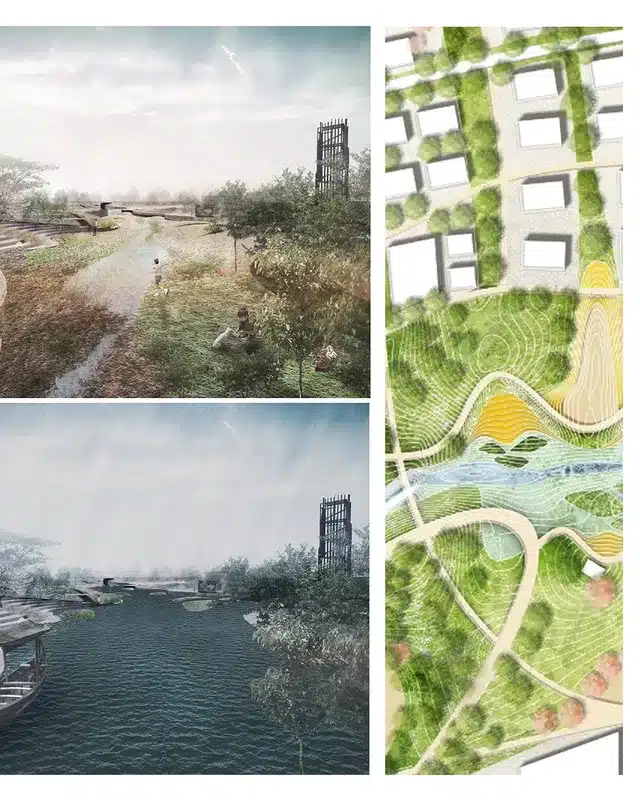
Parking Lots: From Modernist Icons to Opportunities for Urban Renewal

Introduction: The Paradox of the Urban Age
Amid a global shift towards a model of urban planning that focuses on people, concepts like the “15-minute city,” “eyes on the street,” and the creation of “active public spaces” have emerged as core principles. In this context, parking lots are often portrayed as the absolute antithesis of these ideals; they are seen as isolated entities that consume vast spaces, weaken the connected urban fabric, and limit citizens’ interaction with their surroundings. However, this negative perception has not always been the norm. These structures have a different story to tell us about the evolution of our societies.
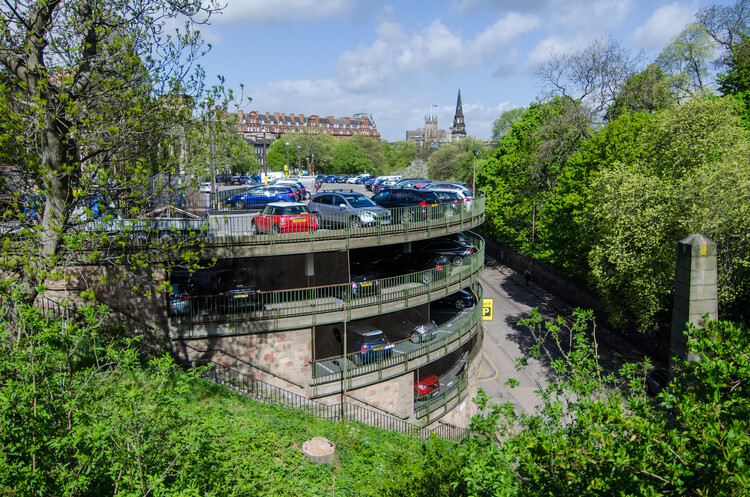
A Look at the Past: Parking Lots as Icons of Modernity
Parking lots have undergone a radical shift in significance and meaning. In past eras, they were not merely functional structures for storing vehicles but stood as true witnesses to a revolution in how we move, live, and perceive the space around us. They embodied the peak of an era where the car was seen not just as a means of transport, but as a driving force for progress and a symbol of individual freedom and prosperity. This shift in public perception reveals that these structures are more than just concrete blocks; they are powerful reflections of the evolution of urbanization, technological innovation, and social habits that have been shaped over the past two centuries.
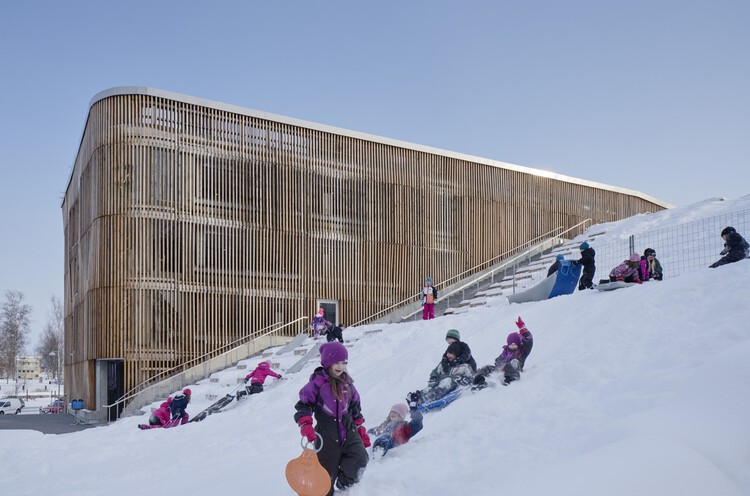
A Complex Relationship: The Car as an Extension of the Personal Realm
To understand the current challenge, we must first understand our intricate relationship with the car itself. This relationship is complex and full of contradictions on many levels. More than fifty years ago, the philosopher and sociologist Jean Baudrillard observed a phenomenon that remains relevant today, noting that the car had become an “extension of the domestic sphere.” It is a private, enclosed space where individuals – even when far from their homes – feel a sense of protection, autonomy, and privacy.
This emotional and physical dependence on the car, coupled with its perception as a symbol of personal freedom, permeates multiple layers of our culture. In cinema and literature, the car is often portrayed as a tool for liberation and escape. It is not merely a machine but has become a personal and social domain that influences our behavior and interaction with the city.
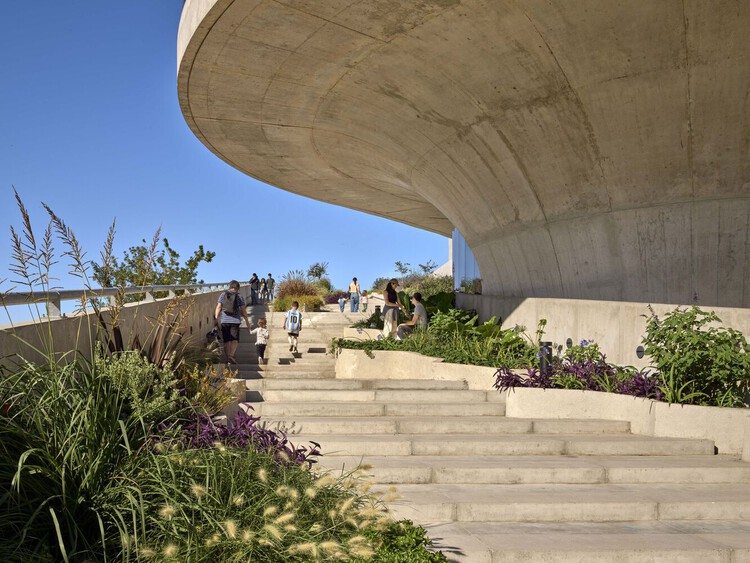
The Present Challenge: Reinvention for the Cities of the Future
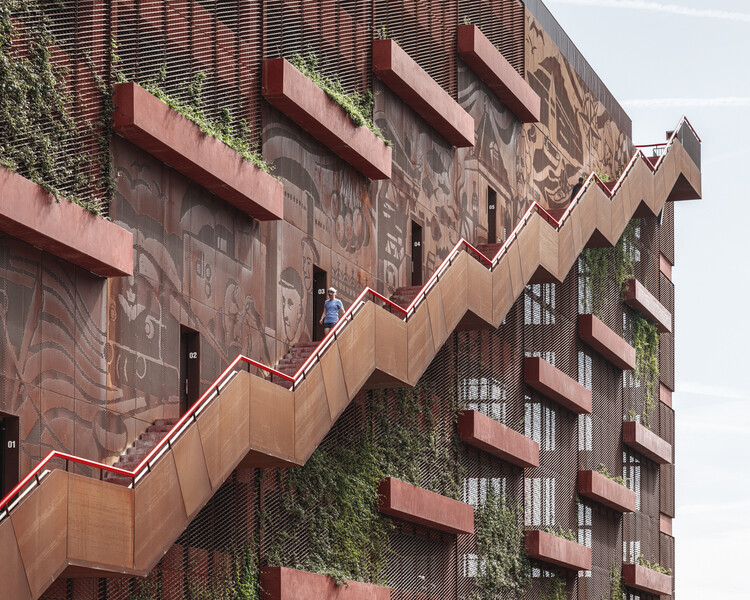
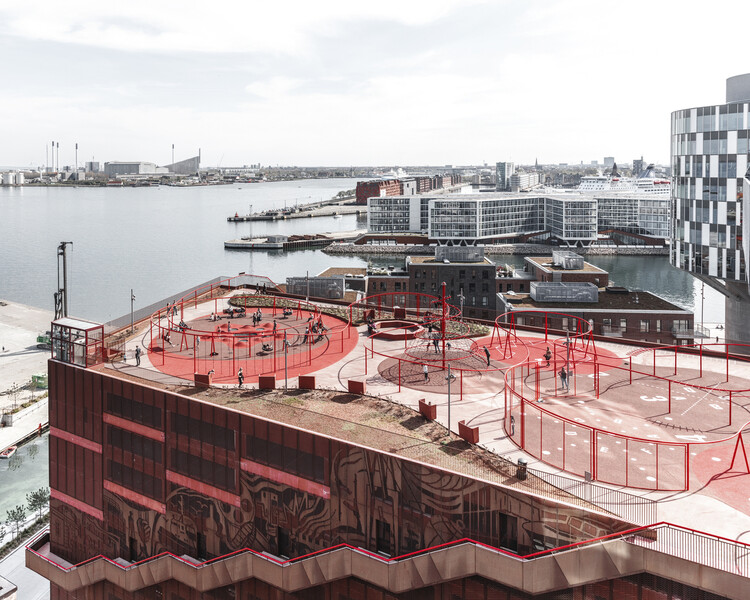
Today, architects and urban planners face a clear challenge: how can we reinvent parking lot spaces to meet the demands of sustainable mobility and build more humane cities? The solution is no longer just about providing space to house cars; we must think of these spaces as part of an integrated urban system. These sites can become opportunities to host mixed-use activities, integrate infrastructure for clean mobility, or be transformed into public green spaces that enhance the quality of life. The question is no longer whether parking lots are the antithesis of urban expansion, but how they can be transformed from an obstacle into a genuine opportunity for development and improvement in the 21st century.
✦ Archup editorial insight
The article discusses the historical and semantic evolution of parking lots and their transformation from a symbol of progress into an element that poses a challenge within contemporary planning models. Through an evaluation of their functional performance and relationship with the urban fabric, it is noted that the single-function design of most parking lots results in the creation of isolated spaces that fragment urban continuity, thereby weakening the effectiveness of “eyes on the street” and reducing opportunities for creating lively facades that interact with their surroundings. Furthermore, the vast horizontal footprint consumed by these structures conflicts with the principle of using land intensively and efficiently in growing urban areas. However, the widespread presence and existing infrastructure of these parking lots provide a framework that is adaptable and reusable within multi-modal and more sustainable transportation systems.
Brought to you by the ArchUp Editorial Team
Inspiration starts here. Dive deeper into Architecture, Interior Design, Research, Cities, Design, and cutting-edge Projectson ArchUp.