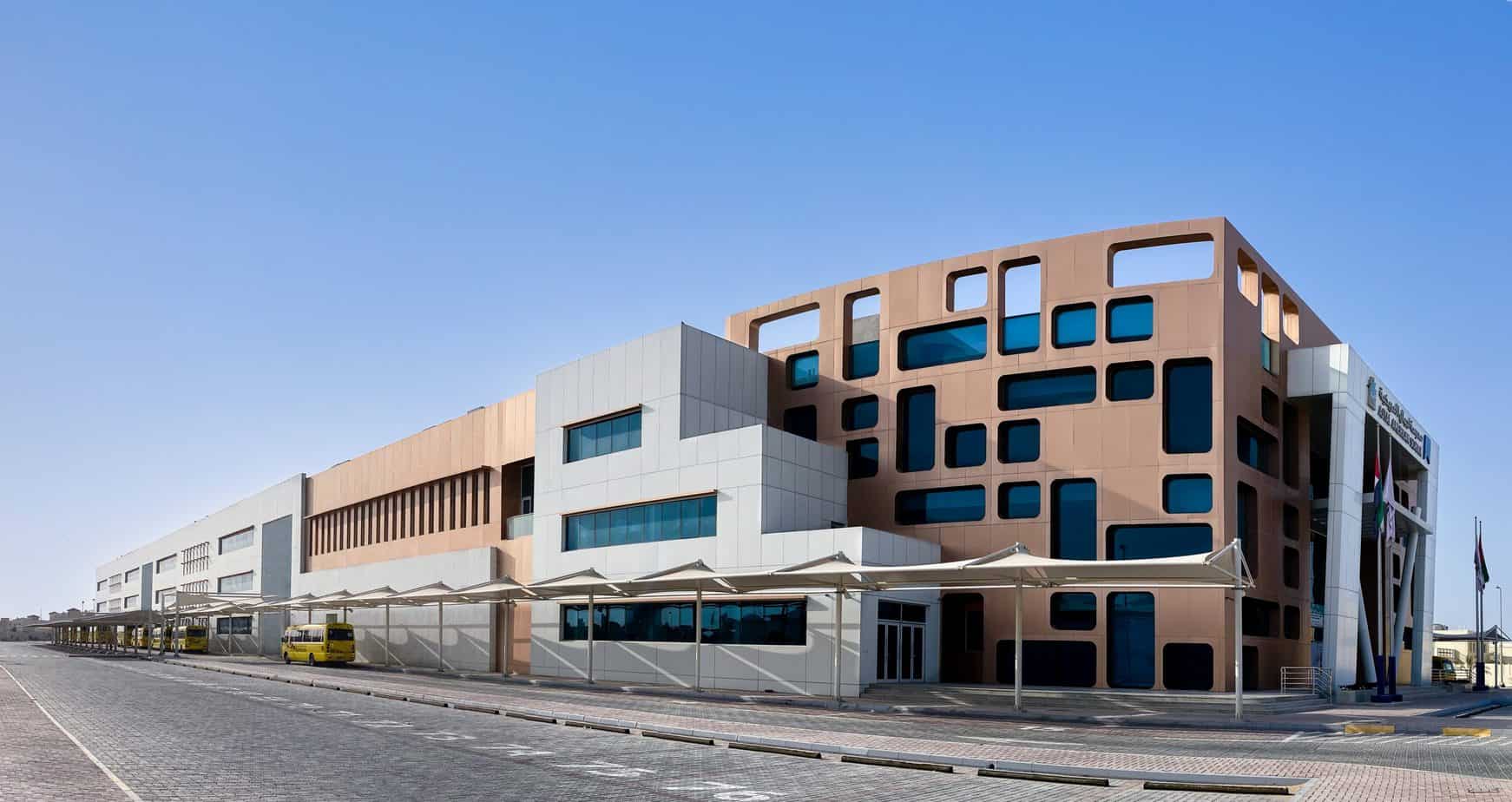
Saudi Arabia Issues New Municipal Requirements for Private Educational Buildings

Saudi Arabia’s Ministry of Municipalities and Housing has issued new municipal requirements for private educational buildings, aiming to enhance the quality of the educational environment, strengthen safety standards, and regulate urban planning for private education facilities, including nurseries, kindergartens, schools, and educational complexes.
Scope of Application
The ministry stated that the requirements apply to private educational buildings constructed on land designated for private educational facilities, government-owned land invested by the private sector, as well as buildings located on commercial-use land, in accordance with specific regulations and standards that ensure optimal land use and provide a safe and integrated learning environment.

Definition of Private Educational Facilities
According to the ministry, private educational facilities include all establishments dedicated to educating students in general education, foreign education, or community education, and may be operated or invested in by the private or non-profit sectors, subject to obtaining a license from the Ministry of Education, as reported by the Saudi Press Agency (SPA).
Site, Design, and Space Requirements
The requirements include site selection, planning, and architectural standards, stipulating that educational buildings must be located on two streets, with at least one street no less than 25 meters wide, comply with the approved building code, and adhere to required setbacks.
For nurseries, the regulations allow location on a single street with a minimum width of 15 meters, provided the facility is housed in a standalone building. The requirements also permit the construction of on-campus student housing, provided it is located in a building separate from the educational facility.
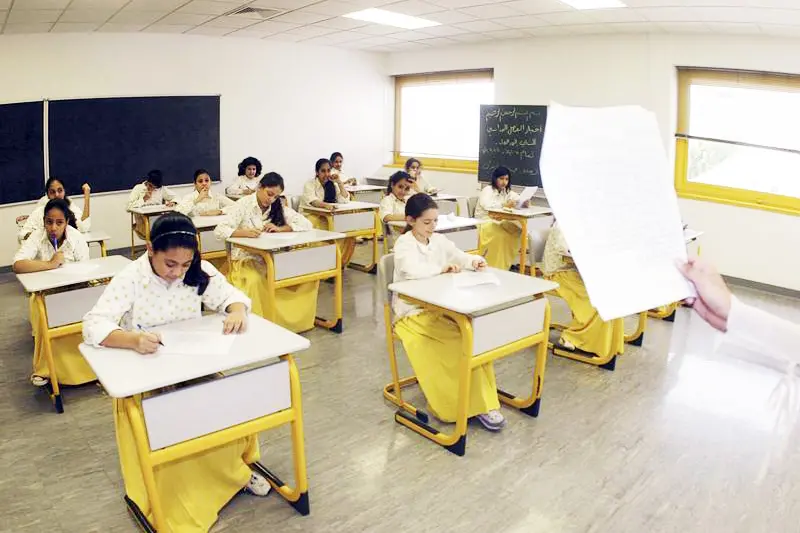
Student Density and Environmental Standards
The ministry emphasized compliance with the minimum land area per student, based on regional classifications, with no less than 4 square meters per student for kindergarten, increasing gradually to 5 square meters in educational complexes, to ensure an appropriate learning environment that accommodates expected student density.
Supporting Education Quality and Investment
These requirements form part of broader efforts to improve the efficiency of private educational facilities, unify technical and regulatory standards, enhance education quality, improve the urban landscape, and facilitate investment in private educational infrastructure, supporting the growth of the private education sector.
✦ ArchUp Editorial Insight
Saudi Arabia’s new municipal requirements for private educational buildings articulate a Contemporary regulatory approach that positions learning environments as integral components of the urban fabric rather than isolated facilities. By standardizing site selection, setbacks, student density, and safety criteria, the framework emphasizes spatial dynamics and material expression as tools for improving educational quality and urban order. However, these prescriptive standards raise questions about contextual relevance, particularly in diverse neighborhoods where rigid plot and street-width requirements may limit adaptive responses to existing conditions. The balance between regulation and flexibility will be critical to ensure functional resilience, allowing private operators to innovate without compromising safety or urban coherence. Ultimately, the regulations reflect an architectural ambition to align education infrastructure with broader planning objectives, reinforcing the role of design governance in shaping sustainable, investment-ready, and socially responsive cities.