Madrid’s Shakira Stadium Redefines Temporary Architecture With Modular Cultural Hub

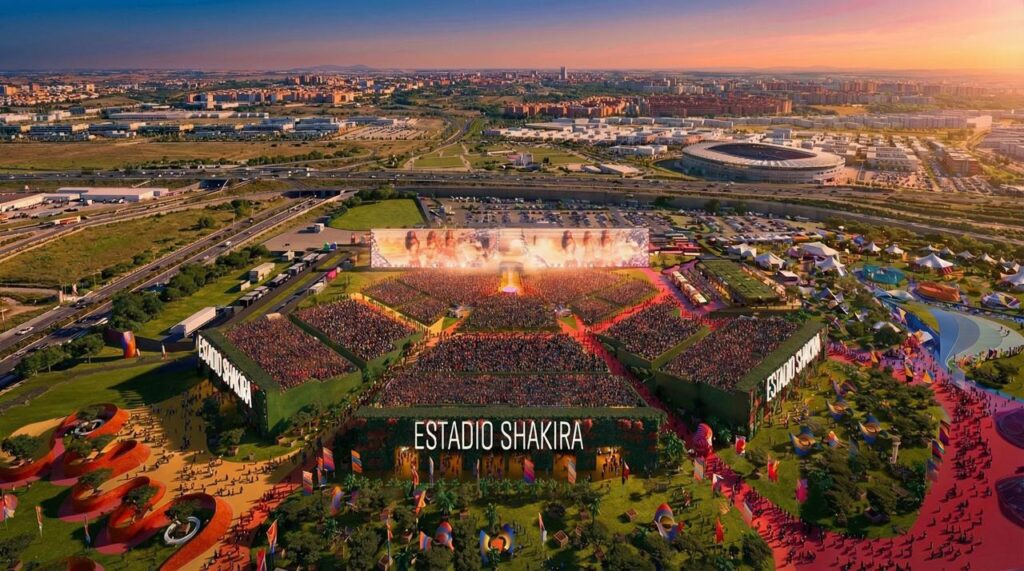
A temporary 21-hectare stadium complex will transform Madrid’s Villaverde district in September 2026. The project turns conventional concert venue design into a multi-functional cultural landscape. This modular architecture challenges how we think about temporary buildings.
Beyond the Concert Venue: A Critical Look at Programmatic Layering
The Shakira Stadium project presents an interesting case study in programmatic density. The design stacks multiple functions onto a single temporary site. However, this ambition raises questions about spatial hierarchy and user experience.
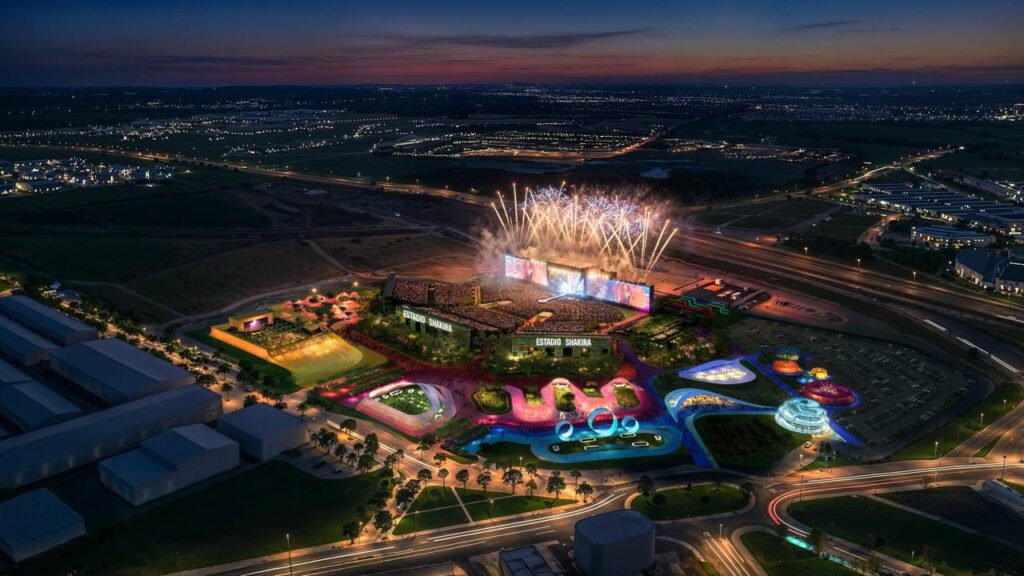
The 50,000-seat venue distributes crowds across floor standing and elevated stands. Meanwhile, the surrounding 140,000 square meters host markets, playgrounds, and gastronomy zones. This approach borrows from festival urban planning rather than traditional stadium typology. The result creates continuous activation throughout the site.
Materiality and Sustainability in Temporary Construction
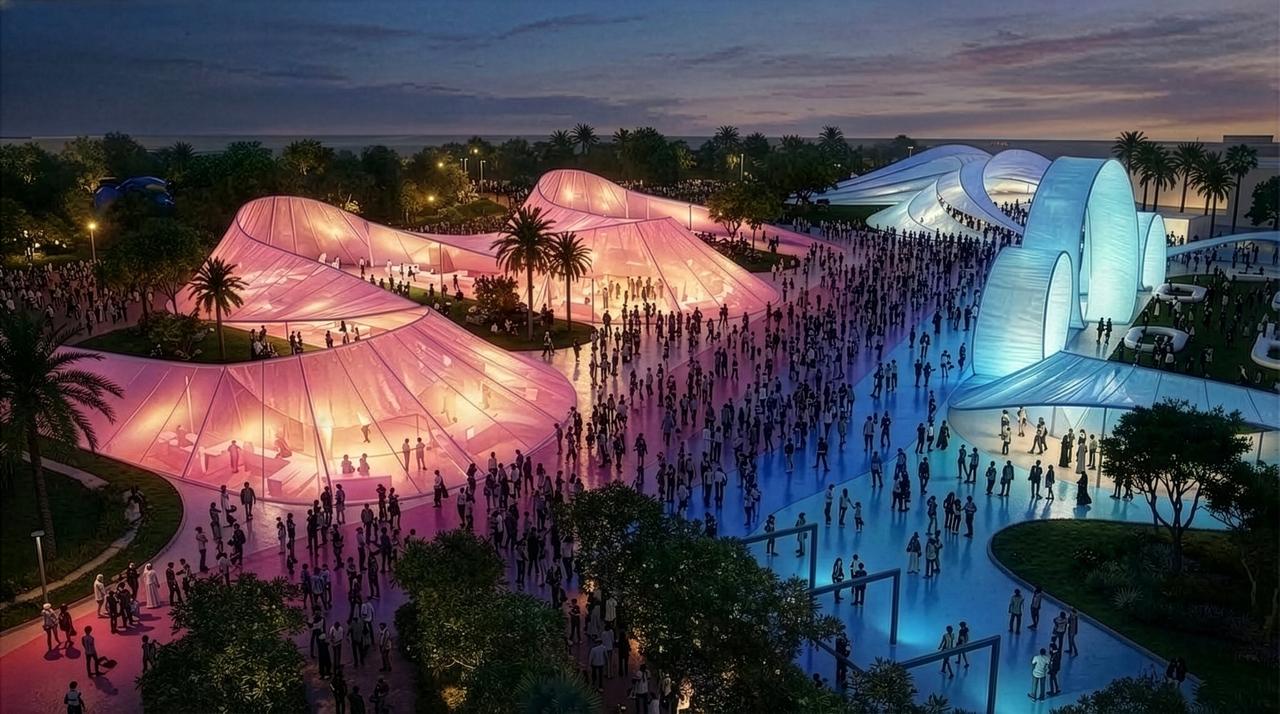
The curved fabric-covered walkways use recycled building materials throughout the structure. This choice reflects growing industry pressure toward circular construction practices. Therefore, the project serves as a testing ground for rapid-assembly sustainable systems.
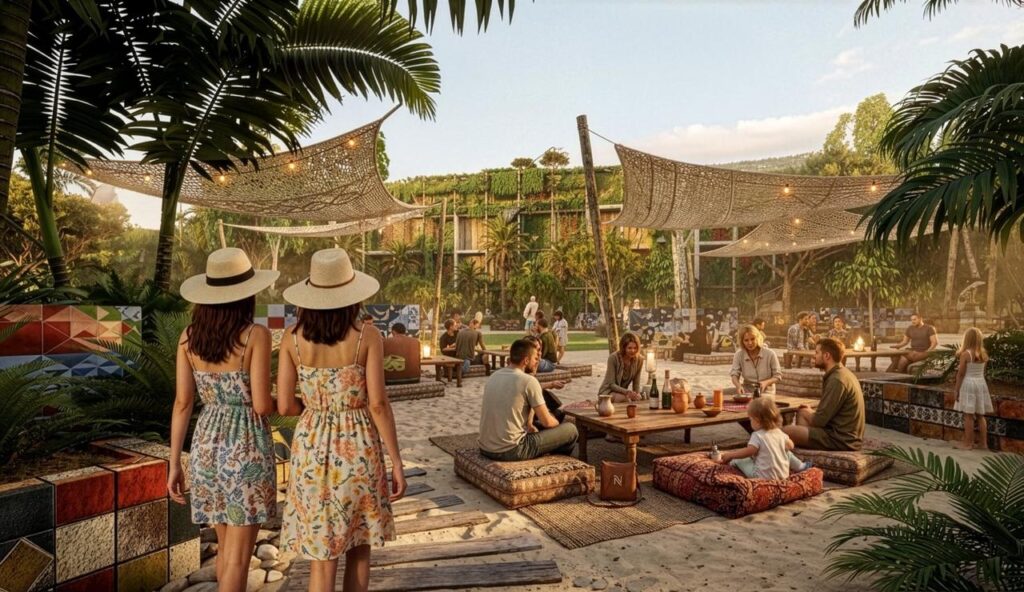
The green islands scattered across the site reference Spanish and Latin American landscapes. These landscape interventions soften the industrial aesthetic of temporary structures. Moreover, they provide necessary shade and visual relief within the massive complex. The sustainability credentials depend heavily on post-event material recovery rates.
Architectural Identity Through Literary Reference
The Macondo concept draws from García Márquez’s magical realism literary universe. This narrative framework gives the temporary architecture unexpected cultural depth. The colorful arched structures translate this literary identity into physical form.
However, themed architecture always risks superficiality over substance. The success depends on whether spatial qualities match the conceptual ambitions. The immersive screens and advanced acoustics suggest technical sophistication. Meanwhile, the artisan markets and exhibition spaces promise genuine cultural programming beyond pure spectacle.
Temporary Architecture’s Evolving Role in Cities
This project joins a growing trend of ambitious temporary buildings in major cities. The weeks-long assembly and disassembly timeline demonstrates modular construction advancement. Traditional permanent venues cannot match this flexibility.
The nine-night residency format tests whether temporary architecture can deliver permanent-quality experiences. The interior design of VIP areas and public zones will determine visitor perception. This news signals shifting investment toward flexible cultural infrastructure.
A Quick Architectural Snapshot
This project experiments with temporary architecture at unprecedented scale. It merges stadium, park, and cultural hub into one modular system. The design prioritizes disassembly from day one. Success will influence future temporary venue commissions across Europe and beyond.
✦ ArchUp Editorial Insight
The Shakira Stadium reveals a fundamental shift in how entertainment capital allocates risk. Traditional permanent venues lock cities into decades of debt and maintenance obligations. This temporary model transfers that burden entirely to tour operators and sponsors.The nine-night residency format maximizes revenue extraction from a single location. It concentrates demand rather than distributing it across multiple cities. Moreover, the multi-functional programming extends monetization beyond concert hours.The recycled materials narrative serves dual purposes. It reduces construction costs while satisfying public sustainability expectations. The literary Macondo theme creates merchandising opportunities that pure architectural identity cannot generate.This project is the logical outcome of touring industry consolidation, municipal reluctance toward permanent venue investment, and audience demand for experiential exclusivity over repeated access.