Sri Lanka’s Rock Temples The Water Gardens of Sigiriya

At the heart of Sri Lanka, a towering rock formation known as Sigiriya rises dramatically from the surrounding plains. Beneath this monumental site lies one of the most beautiful and advanced ancient water gardens in the world—a seamless blend of landscape design, hydraulic engineering, and cultural symbolism.
Sigiriya: More Than Just a Historical Landmark
Sigiriya, often called “Lion Rock,” stands approximately 200 meters high and was transformed into a royal citadel in the 5th century by King Kashyapa. While the king’s palace sat atop the rock, the lower grounds were shaped into stunning gardens—most notably the water gardens, which represent one of the earliest and most sophisticated examples of landscape planning in South Asia.
A Garden Design Ahead of Its Time
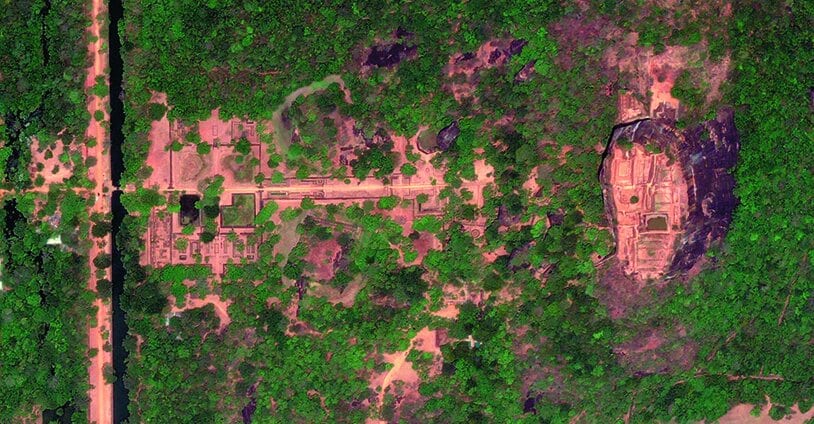
The water gardens are divided into three main sections, each contributing to the overall harmony and purpose of the space:
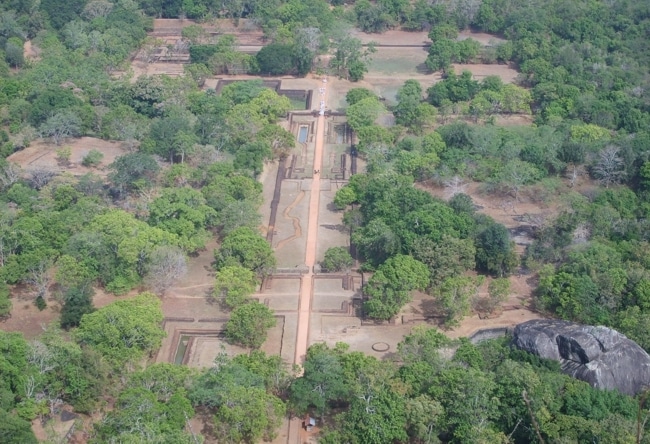
- Symmetrical gardens: Laid out along a central axis, featuring square pools and geometric lines.
- Terraced gardens: Climbing up the slopes of the rock in graceful steps.
- Boulder gardens: Designed around massive natural rocks, yet fully integrated into the garden layout.
Each type serves both aesthetic and environmental purposes, showcasing a refined understanding of space and function.
An Ingenious Ancient Water System
Perhaps the most fascinating aspect of Sigiriya’s gardens is the water infrastructure, which still functions during heavy rains—over 1,500 years later.
Core Elements of the System:
| Feature | Purpose |
|---|---|
| Decorative Pools | For beauty and cooling |
| Stone Channels | Direct water with remarkable precision |
| Natural Fountains | Operate using gravity—no mechanical devices |
| Drainage Outlets | Prevent flooding and maintain moisture balance |
The entire system reflects a deep knowledge of hydrology and natural flow dynamics.
Symbolism Beyond Beauty
The water gardens weren’t just designed to impress—they carried profound meaning. On one level, they expressed royal power and mastery over nature. On another, they echoed Buddhist values like balance and inner peace. Water, in this context, symbolized clarity, purity, and reflection—both literal and spiritual.
A Global Perspective: Sigiriya in Context
To truly appreciate the innovation of Sigiriya, it’s useful to compare it with other famed garden traditions around the world:
| Site | Century | Style | Shared Features |
|---|---|---|---|
| Sigiriya – Sri Lanka | 5th century | Tropical–Hydraulic | Fountains, symmetrical paths |
| Versailles – France | 17th century | Classical–Formal | Grand geometry, water features |
| Taj Mahal – India | 17th century | Mughal–Symmetrical | Central pools, quadrants |
Sigiriya stands out not only for its early development, but also for its clever balance of nature and structure long before modern engineering techniques.

Preserving a Living Masterpiece
Today, the site faces several challenges due to its popularity and age:
- Uncontrolled plant growth affecting the ancient water channels.
- Climate shifts leading to unpredictable rainfall patterns.
- Tourism pressures requiring careful management.
Preservation efforts are ongoing, with local and international experts working to ensure that the integrity of Sigiriya remains intact for future generations.
Final Thoughts
Sigiriya’s water gardens are more than a historic curiosity—they’re a living testament to the wisdom, creativity, and vision of an ancient civilization. The balance of art, nature, and engineering seen here is rare, even by today’s standards. It is a place that continues to inspire architects, designers, and dreamers around the world.
✦ ArchUp Editorial Insight
This article explores the ancient water gardens of Sigiriya as a refined interplay between geometry, terrain, and hydraulic innovation. The visual description highlights the symmetry of the pools, the terraced slopes, and the integration of natural boulders—each element contributing to a choreographed spatial rhythm. Yet, while the historical engineering is notable, the article offers limited critique on how this ancient knowledge informs contemporary landscape strategies. Could a deeper comparison with modern sustainable systems have enriched the narrative? Still, the article succeeds in framing Sigiriya as a timeless reference point in the dialogue between nature and design.
Explore the Latest Architecture Exhibitions & Conferences
ArchUp offers daily updates on top global architectural exhibitions, design conferences, and professional art and design forums.
Follow key architecture competitions, check official results, and stay informed through the latest architectural news worldwide.
ArchUp is your encyclopedic hub for discovering events and design-driven opportunities across the globe.