Spain Train Disaster Costs Costa del Sol €109 Million in Tourism Losses

Overview of the Economic Impact
The Spain train disaster near Adamuz has devastated Costa del Sol’s tourism sector. Consequently, the region lost an estimated €109 million following the high-speed rail closure between Madrid and Malaga. This news emerges from a recent analysis by regional tourism authorities.
What Happened at Adamuz
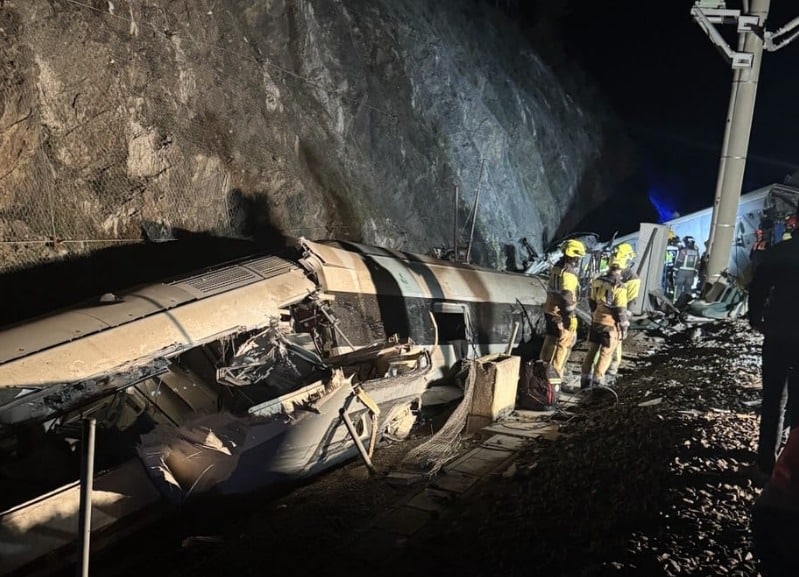
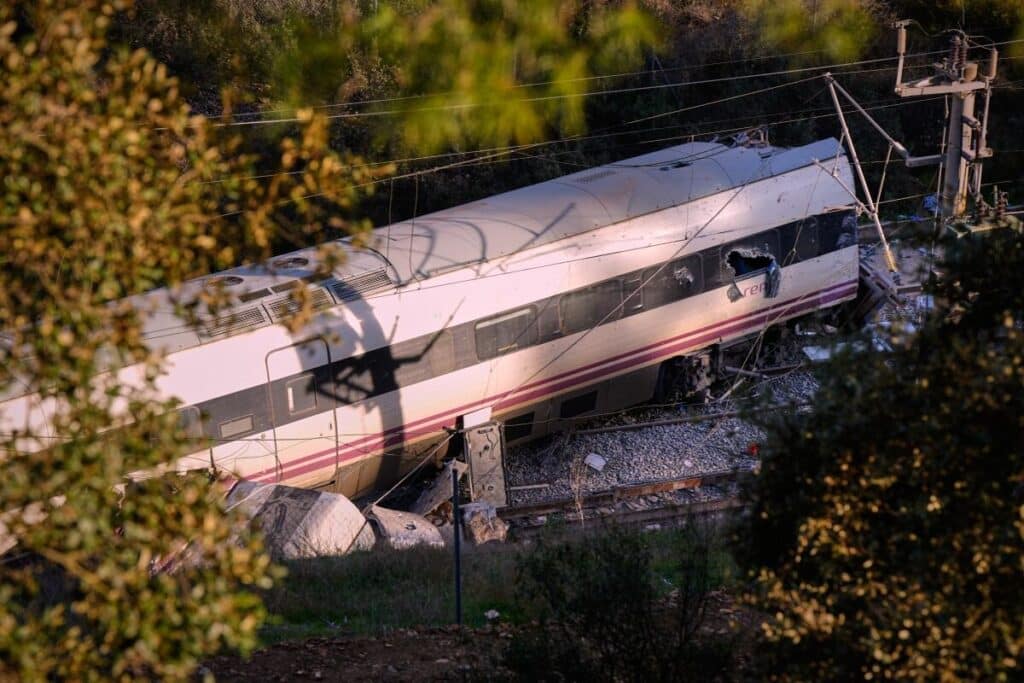
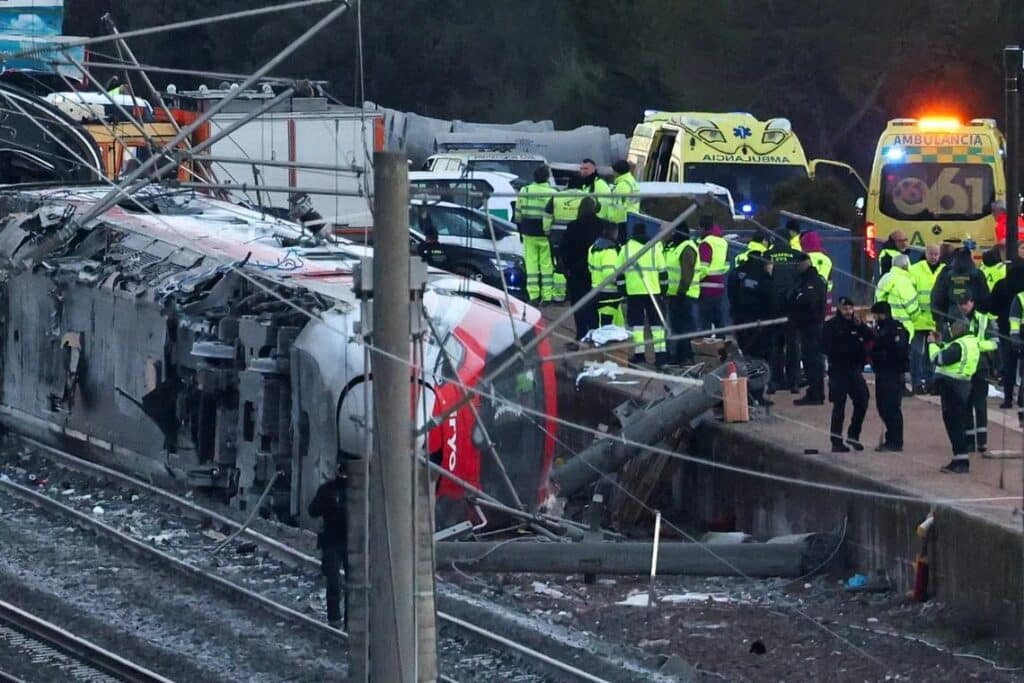
On January 18, 2026, a catastrophic collision occurred near Adamuz in Cordoba province. Three rear carriages of Iryo train 6189 derailed and invaded the parallel track. Within 20 seconds, Renfe Alvia train 2384 collided with the wreckage. Two front carriages subsequently fell down a four-meter embankment.
The Spain train disaster killed 46 people and injured 292 others. Moreover, 15 victims remained in critical condition. This marks Spain’s deadliest rail incident since 2013. The trains carried a combined 478 passengers and crew members.
Tourism Sector Suffers Major Blow
Costa del Sol lost approximately 66,000 tourists due to the infrastructure shutdown. Direct tourism spending dropped by €71.8 million. However, indirect economic effects pushed total losses to €109 million.
The timing proved particularly damaging for the region. Domestic tourism peaks during this winter season. Additionally, Malaga’s growing business and technology sectors faced significant disruption.
Regional tourism officials have requested emergency financial support from the Spanish government. They emphasize the urgent need for immediate assistance.
Ongoing Disruptions and Investigations
The high-speed line remains closed for repairs and investigation. Meanwhile, a landslide in Alora complicated local rail services further. Train driver strikes in February added more challenges. Workers cited safety concerns following the disaster.
Bus alternatives continue operating until at least mid-February. Therefore, travelers face extended journey times and limited capacity.
Safety Questions Emerge
The Spain train disaster occurred on a straight track section. Surprisingly, this construction zone received €700 million in upgrades in May 2025. Investigators now focus on a potential 40-centimeter rail fracture.
Union warnings from August 2025 highlighted track deterioration concerns. However, authorities reportedly did not address these issues. The transport minister described the incident as highly unusual.
This tragedy raises critical questions about rail engineering standards and maintenance protocols across Spain’s high-speed network.
What measures should governments implement to prevent future rail disasters?
A Quick Architectural Snapshot
The affected rail corridor spans the Madrid-Malaga high-speed route through Cordoba province. The track section near Adamuz features straight alignment with recent upgrades completed in 2025. The four-meter embankment where carriages fell represents typical elevated rail structures in mountainous Spanish terrain.
✦ ArchUp Editorial Insight
A €700 million track renewal completed mere months before catastrophic failure reveals a procurement pattern worth documenting. Investment concentrated on speed capacity rather than structural monitoring systems. Union warnings about track degradation went unaddressed, indicating a decision framework where operational continuity outweighs preventive maintenance protocols.
The €109 million tourism loss exposes a deeper dependency. An entire regional economy collapses when a single infrastructure corridor fails. This is not a transportation problem. It is a spatial planning outcome produced by decades of centralized connectivity models, where one high-speed line replaces redundant regional networks.
The repeating pattern across European rail construction emerges clearly. Capital expenditure favors visible modernization. Monitoring, redundancy, and maintenance attract neither political attention nor funding cycles. The built outcome, catastrophic single-point failure, is the logical product of visibility-driven infrastructure investment combined with systematic neglect of invisible structural integrity.