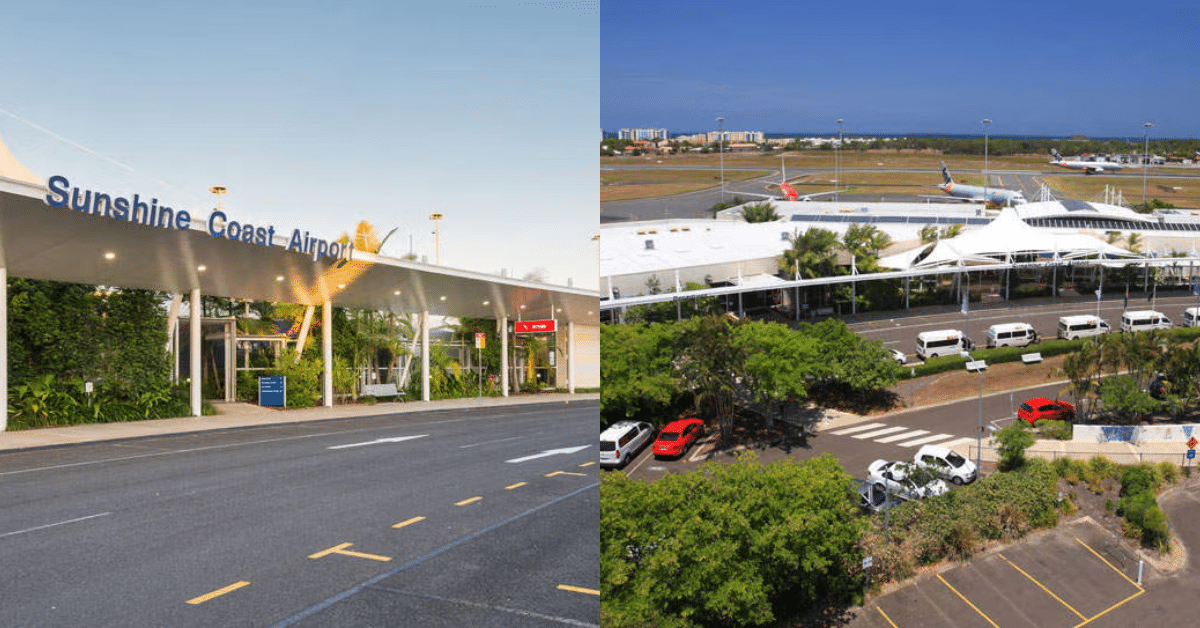
Sunshine Coast Airport Expansion in Australia

Design and Space Overview
The terminal area will increase from 6,100 m² to 11,750 m², while the departures hall will expand from 1,250 m² to 3,750 m², accommodating a larger number of passengers. The design also includes advanced self service points and automated baggage facilities, aiming to streamline passenger flow and reduce congestion.
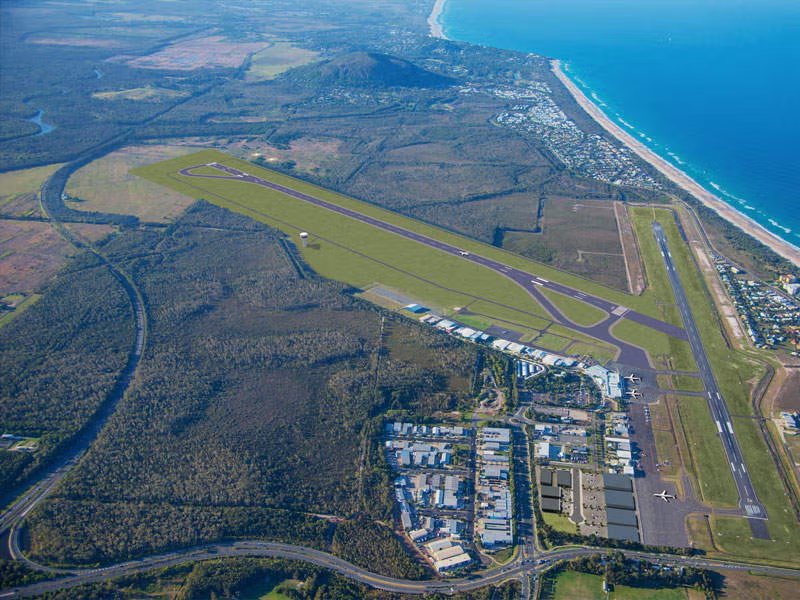
Architectural and Functional Focus
The design prioritizes an improved passenger experience through practical and flexible spatial arrangements, with attention to sustainability and operational efficiency. Commercial areas and dining spaces within the terminal have also been upgraded to offer a more complete and comfortable experience, combining functionality with visual appeal.
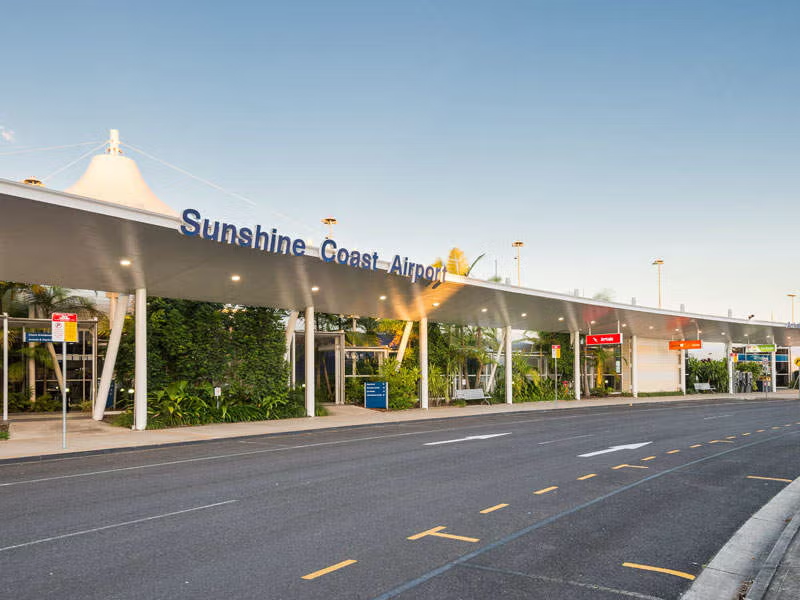
Overall Character
This expansion marks a significant step in redefining the terminal interior by creating clear open spaces and smooth circulation paths, reflecting a balanced blend of modern architectural design and the practical requirements of a contemporary airport.
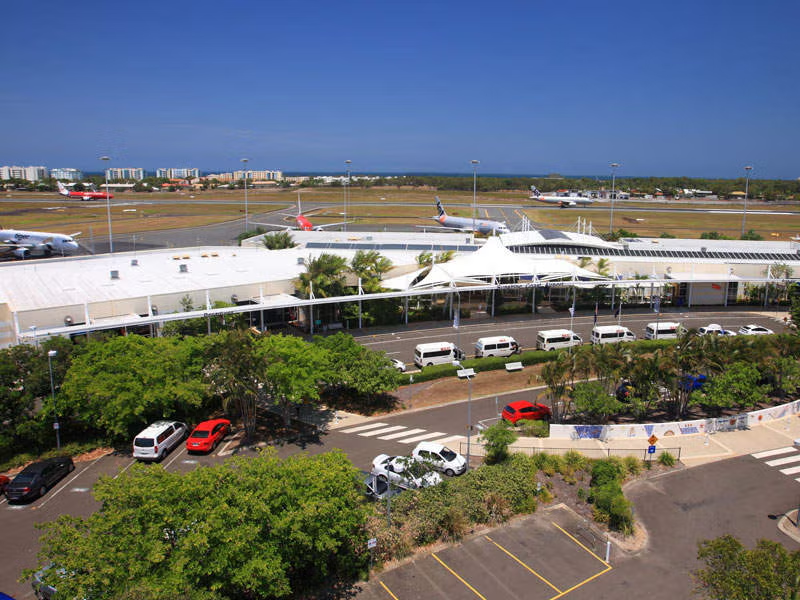
✦ ArchUp Editorial Insight
This project presents the expansion of the domestic terminal at Sunshine Coast Airport, focusing on circulation spaces and passenger experience. The visuals show a balanced use of modern materials, glass, and concrete. Large openings allow natural light and enhance openness. The expanded halls provide clear circulation paths. However, the placement of technical facilities raises questions about ease of movement during peak hours. It is also unclear if the new spaces can fully prevent congestion. Nonetheless, the design improves the guest experience by integrating dining and retail areas cohesively. This reflects a forward-looking approach to multifunctional interior spatial planning.
Explore the Latest Architecture Exhibitions & Conferences
ArchUp offers daily updates on top global architectural exhibitions, design conferences, and professional art and design forums.
Follow key architecture competitions, check official results, and stay informed through the latest architectural news worldwide.
ArchUp is your encyclopedic hub for discovering events and design-driven opportunities across the globe.