Sydney’s First New Cathedral Precinct in a Century Takes Shape in Waitara


A major religious and civic development is underway in Sydney, Australia. The Diocese of Broken Bay plans to transform a 7.7-hectare site in the Waitara suburb into a full cathedral precinct. This will be the first Roman Catholic cathedral precinct masterplanned from inception in Australia in over 100 years.
A Project Rooted in Landscape and Local Identity
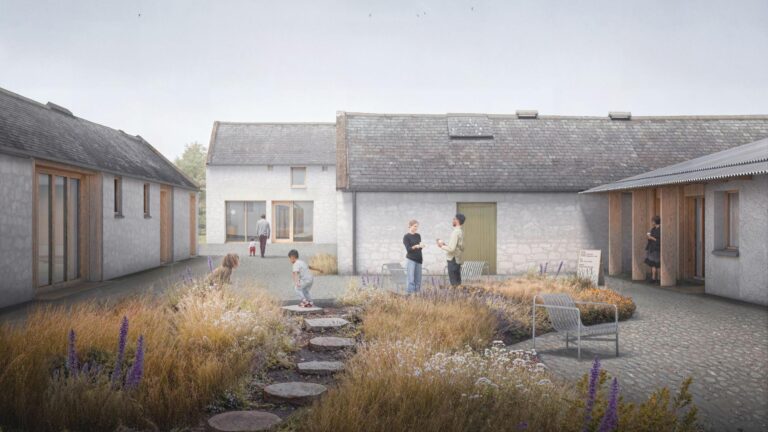
The architecture of the new cathedral draws direct inspiration from the Hawkesbury River. This waterway connects the diocese’s 26 parishes across the region. Therefore, the design uses timber framing and sandstone facades to echo the forests, bluffs, and caves surrounding the river.
The choice of building materials reflects a clear regional sensitivity. Sandstone carries deep historical significance in Sydney’s built environment. Moreover, timber framing introduces warmth and a human scale to what will be a large spiritual complex.
What the Precinct Will Include
The project extends well beyond a single place of worship. Several buildings will surround the cathedral, housing residences for the bishop and clergy, along with diocesan offices. Meanwhile, the precinct will also accommodate public-facing amenities, including a café, a bookshop, and publicly accessible roof gardens.

A pastoral centre and parish hall will serve the wider community. The precinct will also connect directly to the nearby St Leo’s Catholic College. This link aims to create a continuous cycle of community life, spanning early childhood education through to secondary schooling. The project therefore functions as both a religious and urban planning initiative.
Design Collaboration and Construction Ambitions
London-based Niall McLaughlin Architects leads the design, working in collaboration with Australian studio Hayball. The two offices will develop the scheme together, combining international experience with local knowledge. This partnership reflects a common approach in large-scale construction projects that require both global design expertise and on-the-ground regional understanding.
The Diocese of Broken Bay has emphasized the long-term community legacy of the project. However, no completion date has been confirmed at this stage. The news marks the formal unveiling of the initial design concept, with further development expected in coming phases.
The precinct’s public programming and accessible spaces also signal a broader shift in how religious architecture engages with surrounding communities. Rather than operating as an inward-facing institution, this development positions itself as an open civic destination.
A Quick Architectural Snapshot
A 7.7-hectare site in Sydney’s Waitara suburb will become Australia’s first fully masterplanned Roman Catholic cathedral precinct in over a century. The design uses sandstone and timber to reflect the Hawkesbury River landscape. The precinct combines worship, education, housing, and public amenities in one integrated development.
✦ ArchUp Editorial Insight
When a diocese commissions a cathedral precinct after a century-long gap, the decision reflects institutional pressure, not spiritual impulse. The Diocese of Broken Bay controls a 7.7-hectare asset in a high-demand Sydney suburb. Developing it into a mixed-use religious precinct — with housing, retail, and public amenities — protects that land from purely commercial development while generating long-term revenue streams. Connecting the precinct to an existing Catholic school transforms proximity into enrollment pipeline. Meanwhile, sourcing design from an internationally recognized office signals credibility to donors and local government alike. The sandstone and timber aesthetic is not regionalism for its own sake; it reduces planning resistance by appearing contextually sensitive. This project is the logical outcome of institutional land strategy + donor confidence management + municipal planning negotiation.