Tonke Basecamp: Redefining Mobile Camping

CONTEXT OF THE DEVELOPMENT OF MODERN CAMPER VEHICLES
The camper vehicle sector is witnessing the emergence of multiple models based on converting commercial trucks into mobile living units. Within this context, the Vanspeed Album model built on the Sprinter 144 AWD has emerged as one of the recent examples, and it was quickly followed by another project based on a similar philosophy but within a different context related to Volkswagen vehicles.
CASE STUDY: VOLKSWAGEN TRANSPORTER CONVERSION
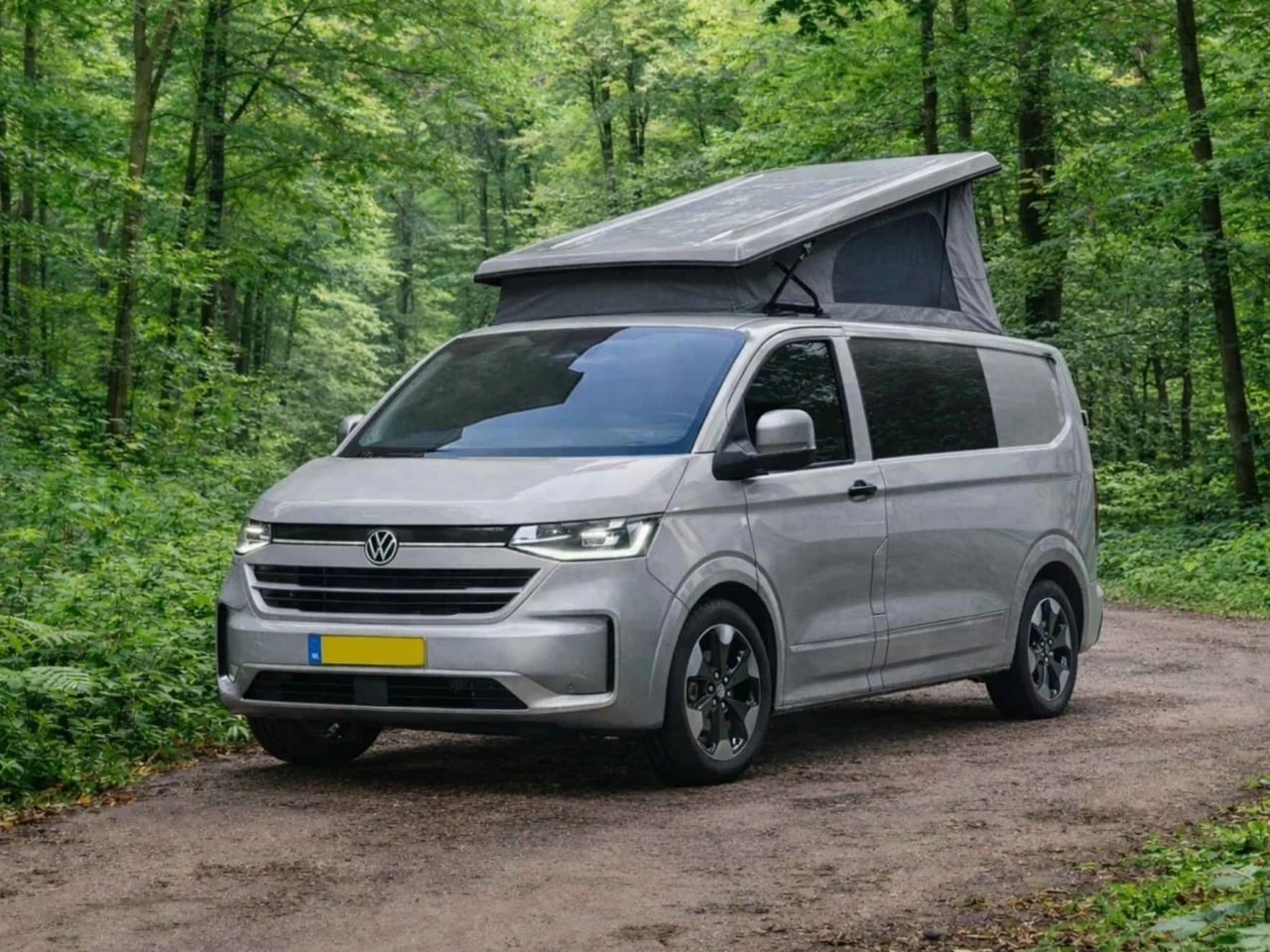
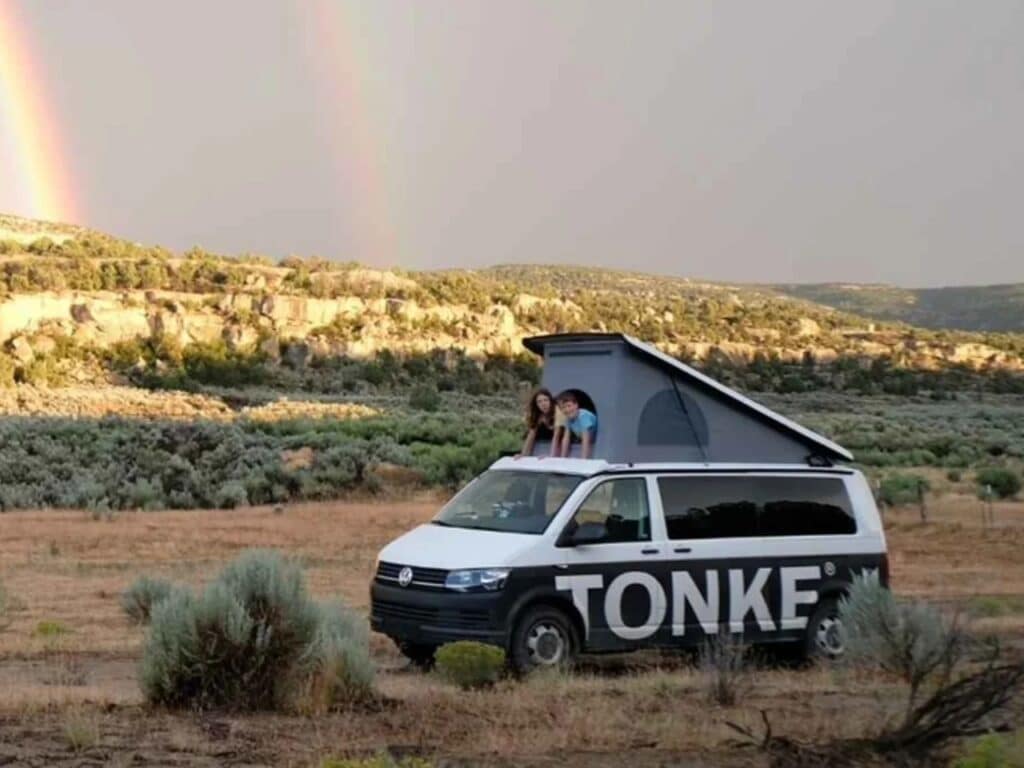
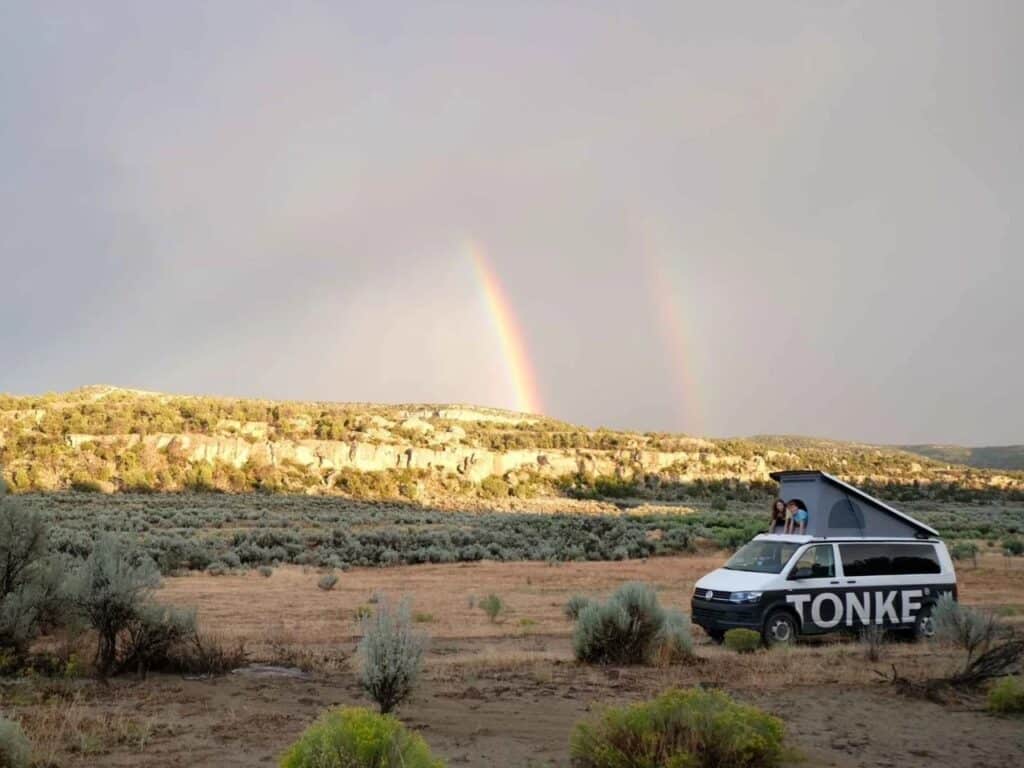
The Basecamp model is being developed within the workshops of the Dutch conversion company Tonke as a case study for transforming the Volkswagen Transporter into a camper vehicle. According to available information, the project is based on the latest generation of the vehicle, with a design direction focused on the functional organization of interior spaces, along with the use of floor insulation and off-grid independent power systems. The project also indicates a potential launch timeline around May 2026, with availability suggested in the near future according to initial updates.
FUNCTIONAL CONFIGURATION AND USAGE SYSTEMS
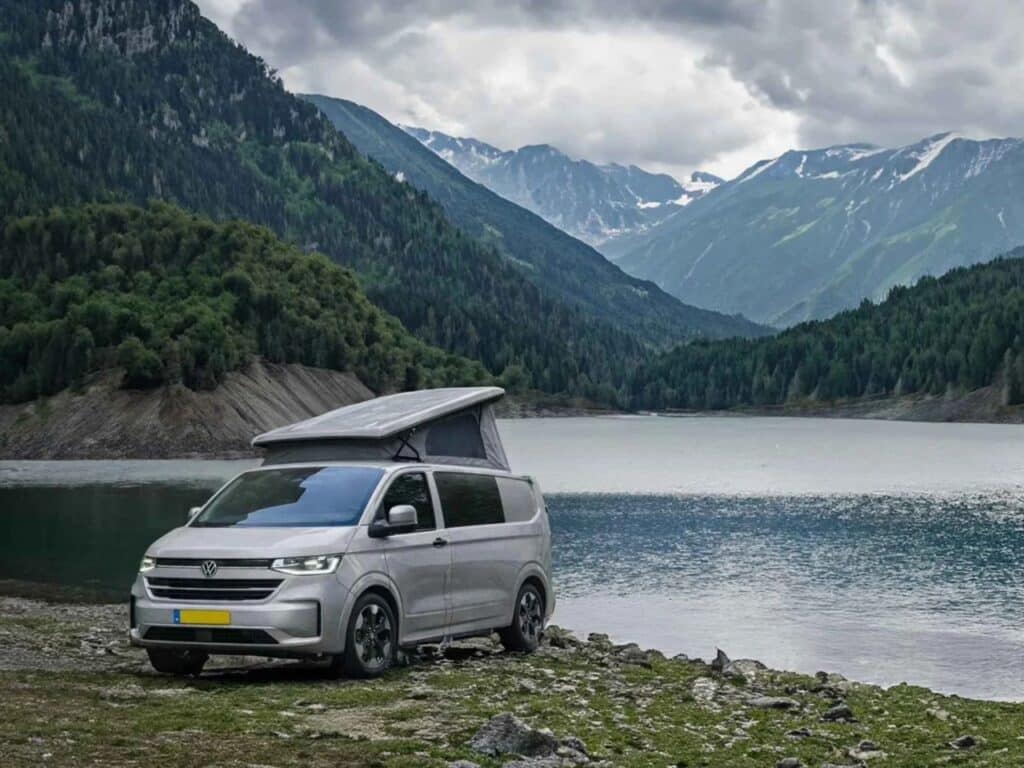
The proposed design of the Basecamp includes a pop-up roof that allows for increased vertical space, with the ability to accommodate four users for sleeping and daytime seating. The functional program also includes a kitchen, a bathroom, a shower, in addition to dedicated storage spaces for long-distance trips. Since the vehicle is built on the Volkswagen Transporter platform, it is expected to be offered with three drivetrain options, corresponding to different usage requirements and users’ emissions preferences.
DRIVETRAIN SYSTEMS AND CONFIGURATION VARIETY
The Tonke Basecamp model comes in multiple drivetrain configurations, including a hybrid version, a fully electric version, and a diesel-powered variant, along with the availability of a 4×4 all-wheel drive option. This variety enables different usage approaches, where the electric version focuses on reducing emissions, while the hybrid version provides a balance between quiet operation and extended range. Meanwhile, the diesel version delivers higher towing performance and greater reliability during long-distance journeys.



INTERNAL ORGANIZATION AND TRANSFORMABLE SPACES
The Basecamp is based on the Volkswagen Transporter chassis with custom interior modifications following handcrafted manufacturing standards. The interior design includes a pop-up roof that enables a two-level sleeping arrangement, with an upper bed and a lower convertible bed. During the day, the cabin can be transformed into a living space featuring an extendable table and a seating area that accommodates four people, reflecting a clear reliance on functional flexibility in the use of the interior space.
LIVING EQUIPMENT AND CLIMATE COMFORT
The functional program of the vehicle includes a kitchen equipped with a water tank and a heater for hot water supply, in addition to a built-in refrigerator, along with a wet bathroom containing a shower and a toilet. Building materials and specifications also indicate the integration of a floor heating system aimed at supporting year-round usability across different seasons. Overall, these configurations are intended to enhance comfort within a compact vehicle that relies on spatial reorganization rather than physical expansion.
✦ ArchUp Editorial Insight
The Tonke Basecamp project appears as a downstream outcome of the recreational mobility economy, where the Volkswagen Transporter platform is transformed into a modular industrial base exploited for value production within the conversion market. The primary driver is not a design decision in itself, but rather the expansion of market segments under the pressure of emissions regulations and low-carbon mobility support policies, which force conversion companies to diversify configurations between electric, hybrid, and diesel within compliance constraints.
Regulatory limitations related to technical certification, load distribution, and integrated water and energy systems exert pressure on spatial decision-making toward standardized and functionally constrained interior units. The result is not an architecture expression, but rather an operational compromise between recreational demand and standardized manufacturing logic, where patterns of human occupancy are reshaped within a rigid industrial framework governed by platform economics and the continuity of conversion models.

★ ArchUp Technical Analysis
Technical and Documentary Analysis of the Tonke Baycamper Project – Netherlands:
This article presents a design analysis of the Tonke Baycamper vehicle as a case study in transforming the Volkswagen Transporter into a mobile camping unit. To enhance its archival value, we would like to present the following key technical and design data.
The project is based on the latest generation of the Volkswagen Transporter, with custom interior modifications according to handcrafted manufacturing standards within the workshops of the Dutch company Tonke. The design features a pop-up roof that allows sleeping spaces to be distributed across two levels (an upper bed and a convertible lower bed), with the capacity to accommodate four users for sleeping and daytime seating.
The cabin can be transformed during the day into a living space with an extendable table and a seating area that accommodates four people. The functional program includes a kitchen equipped with a water tank, hot water heater, and integrated refrigerator, as well as a wet bath containing a shower and toilet, with floor insulation and underfloor heating systems to support use in various seasons, along with off-grid power systems.
The vehicle is available with three drivetrain options: hybrid, fully electric, or diesel, with an available 4×4 all-wheel drive option, and is expected to be launched around May 2026.
Related Insight: Please refer to this article to understand the context of modern architectural preservation:
Converting Commercial Vehicles into Mobile Living Units: Between Spatial Efficiency and Alternative Propulsion Systems.