Tulsi Unit by Simplify Further: Multi-Use Tiny Home Model

Dimensions and Design Philosophy
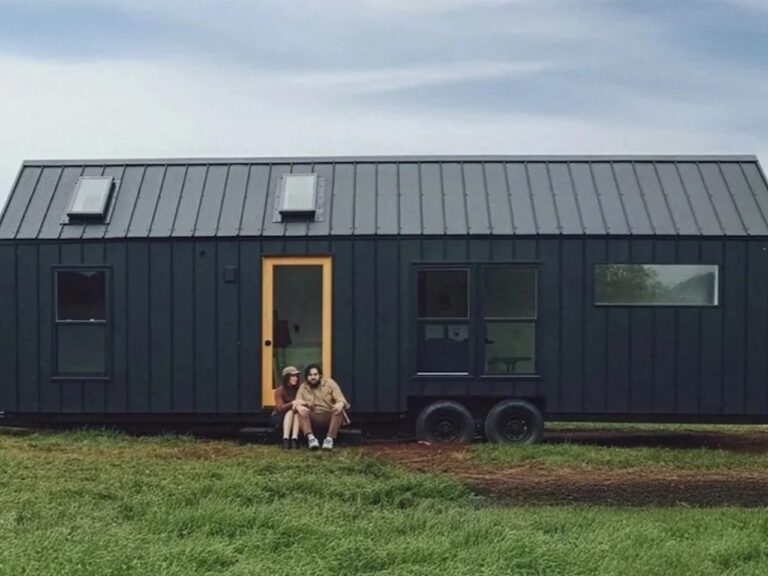
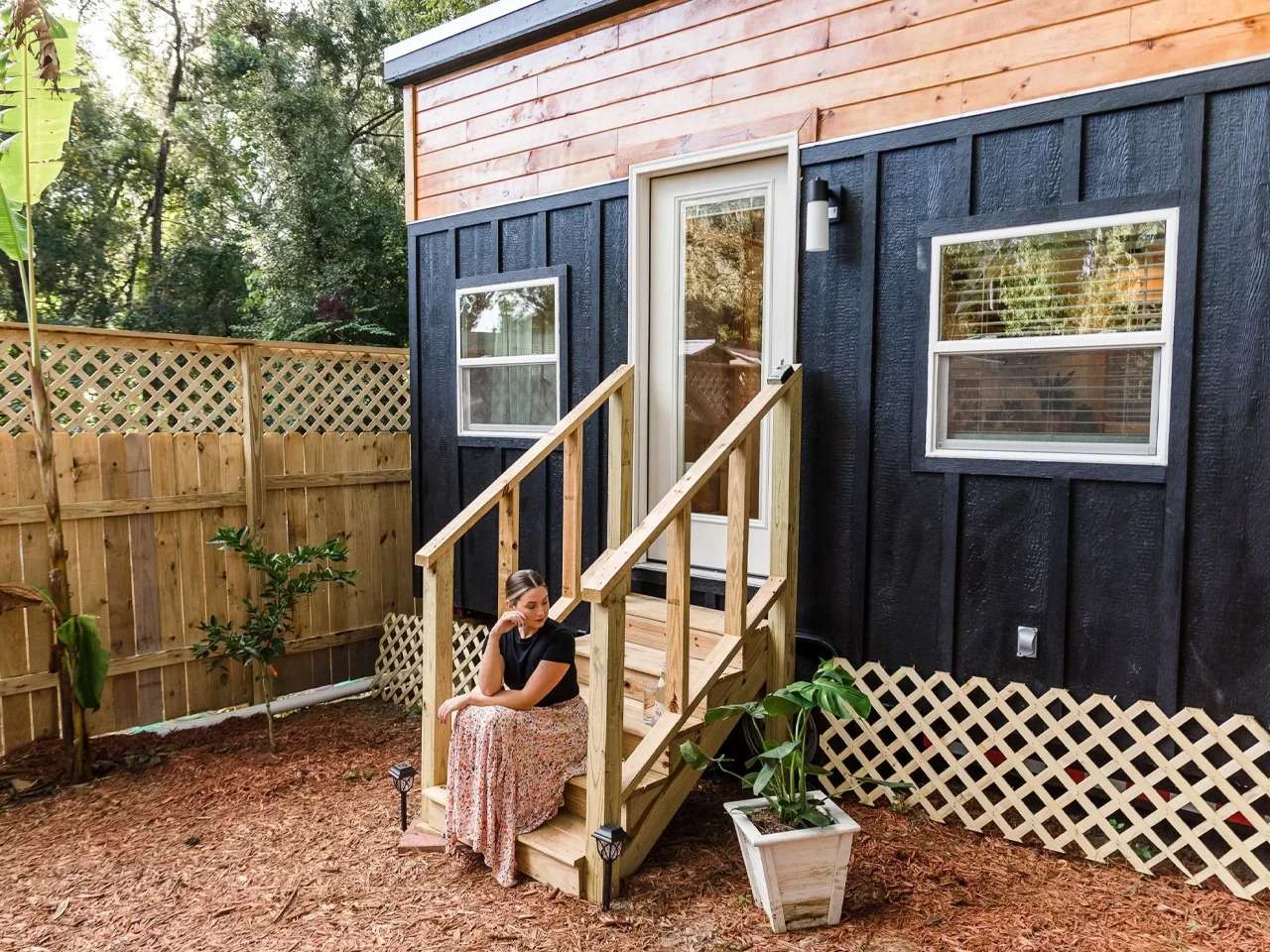
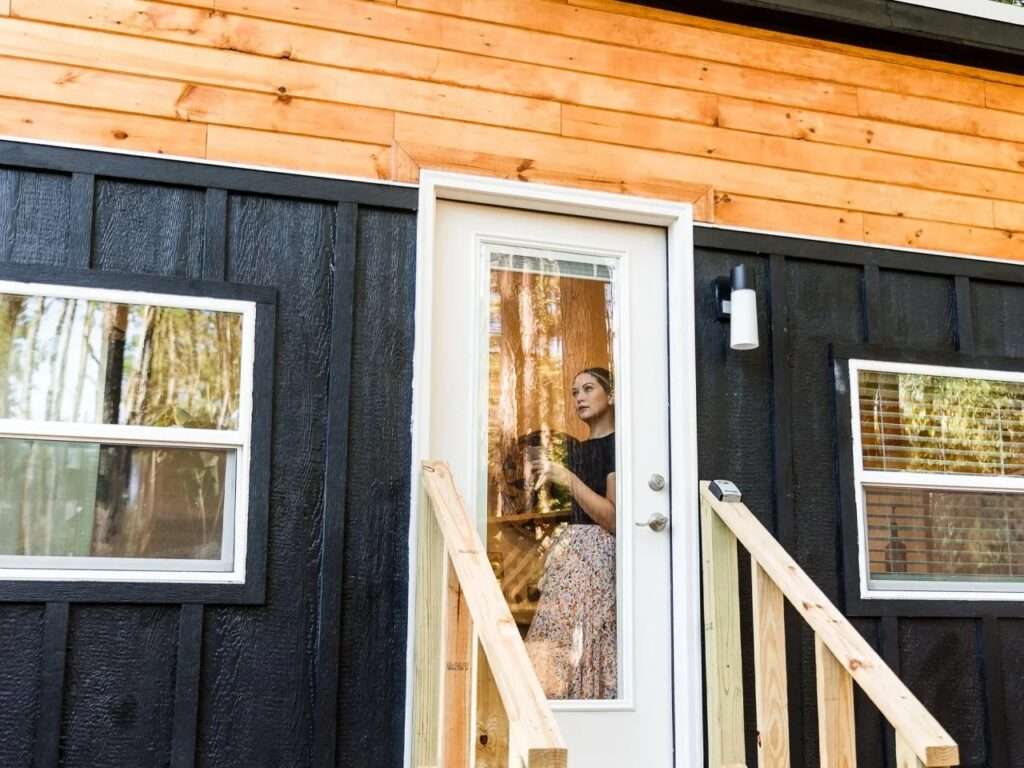
The “Tulsi” unit, measuring 20 feet in length and 8 feet in width, falls within the category of small mobile homes and is based on the principle of reducing elements to the essential minimum. It includes only the basic necessities while avoiding the addition of non-essential functions. This approach reflects a Design vision grounded in the balance between efficiency and limited space.
Positioning within the Small House Market
Within a market characterized by a wide diversity of models, this unit emerges as a middle-ground solution between two common directions: Designs that prioritize aesthetics at the expense of livability, and others that add excessive features that increase cost and operational complexity. In contrast, “Tulsi” relies on minimizing complexity while preserving core functionality, with a starting price of $35,000 for a fully functional wheeled unit.
Institutional Framework and Certification Standards
The unit was developed by “Simplify Further” in Florida, whose design philosophy is based on integrating simplicity with production quality. The project also holds BBB accreditation with an A+ rating, in addition to NOAH certification as a mobile home (RV), indicating compliance with defined standards related to safety and execution within this type of residential unit. You can explore more Architecture projects and standards in our archive.

Internal Organization and Space Utilization
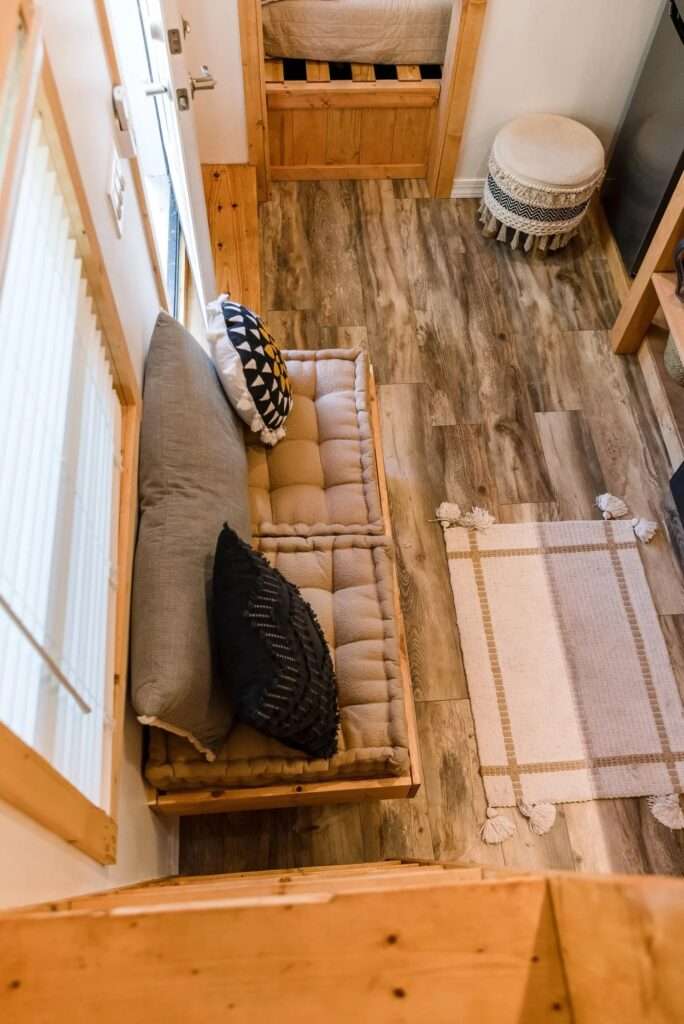
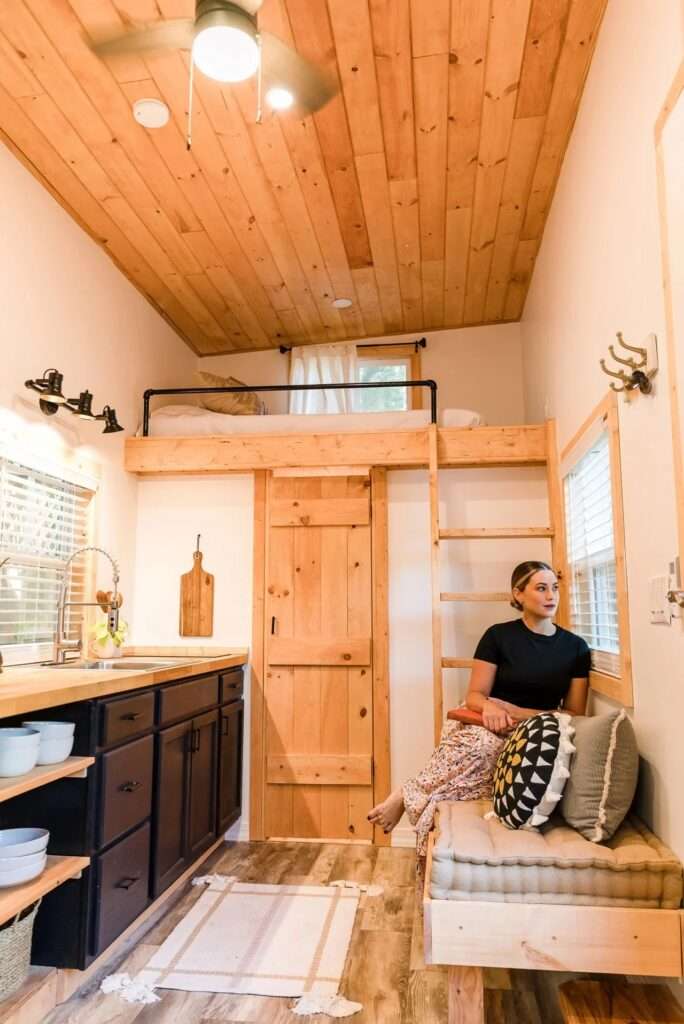
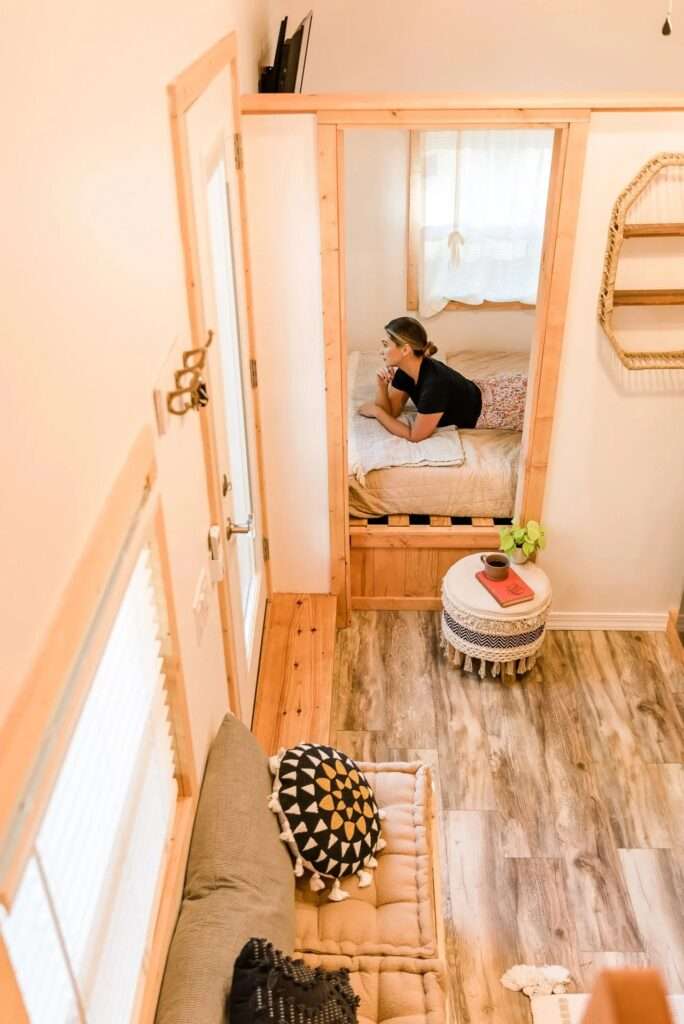
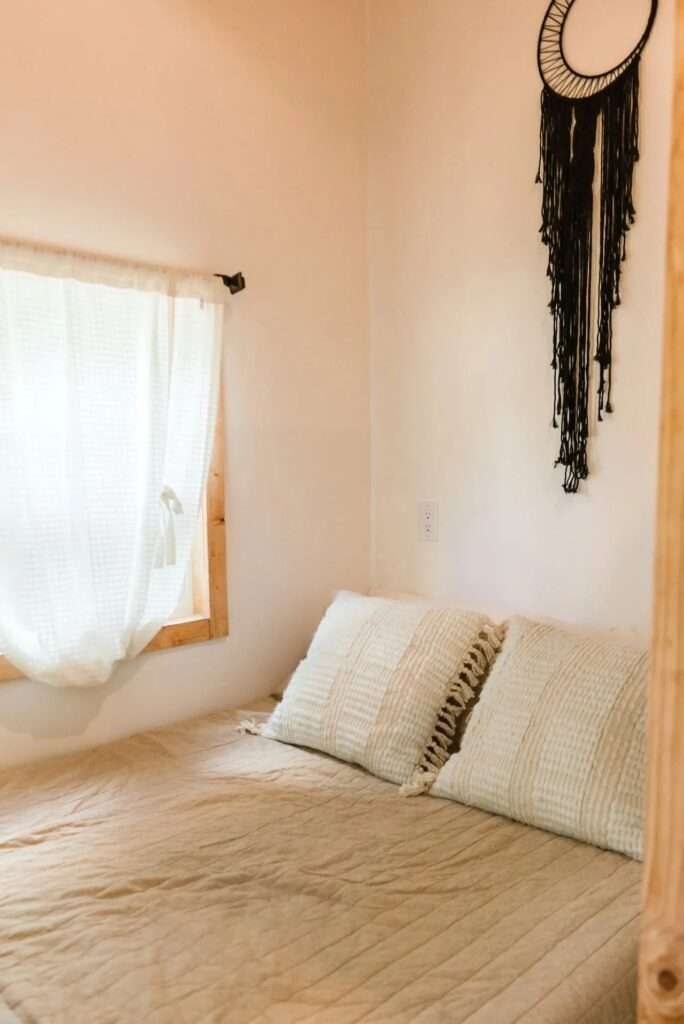
The “Tulsi” unit has an area of approximately 161 square feet and is based on a functional layout that includes a small kitchen, a full bathroom with a shower, a traditional toilet, and a sink, as well as an integrated living area. It also includes a ground-floor primary bedroom sized to fit a queen bed, ensuring a basic sleeping function at ground level without full reliance on elevated spaces. For more on efficient spatial planning, check out related Projects.
The Loft and Its Relationship to Interior Space
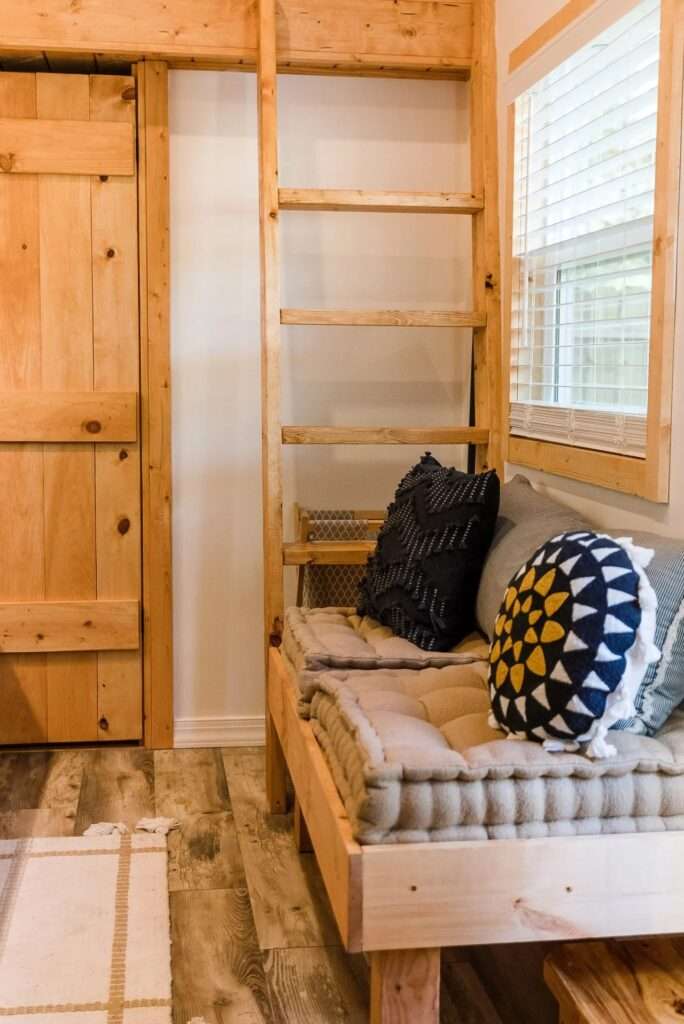
The unit includes a loft measuring 7 × 4 feet, with a height reaching 36 inches at the lower side, accessible via a staircase equipped with a metal handrail. In contrast, the clearance beneath the loft is 6 feet 4 inches, maintaining ease of movement within the main space without creating an excessive sense of enclosure, despite the limited dimensions. This approach to Interior Design maximizes every inch of the home.
Functional Flexibility in Layout
The unit is designed with adaptable interior usage, where the ground-floor bedroom can be treated as a primary element or converted into a living space when the loft is used as the sleeping area. Kitchen configurations also allow for simple modifications, such as choosing open shelving or adding storage cabinets instead of a seating area, directly affecting daily spatial use without altering the overall structure. Learn more about innovative Construction methods for small spaces.
Classification and Intended Use
The “Tulsi” unit by Simplify Further is primarily presented as a secondary dwelling attached to a main property, such as a guest house or a mother-in-law suite. This configuration provides visitors or users with full functional independence within a separate space, while maintaining connection within the boundaries of the same property. For similar case studies, browse our list of Buildings and residential solutions.
Beyond its primary function, the unit can be deployed in several other residential contexts, such as short-term rental, a starter home, or a permanent residence based on reduced living space. This versatility is directly linked to its design philosophy, which is based on minimizing elements and concentrating functions within a limited area. Discover the latest Architectural News on affordable housing trends.
With a footprint of 161 square feet on a mobile structure, “Tulsi” represents a model within the small-house category focused on spatial efficiency. This type of unit reflects a broader architectural trend that redefines the boundaries of traditional housing within compact and adaptable spaces. For more insights, visit our Archive of modern dwelling concepts.
✦ ArchUp Editorial Insight
The Tulsi unit by Simplify Further operates as a compact residential asset within a regulatory and financial framework defined by RV certification and secondary dwelling standards within private properties. The primary driver is the pressure of housing affordability in semi-urban land markets, transforming the dwelling into a tool capable of generating small economic returns. Institutional accreditation such as BBB A+ rating and NOAH certification functions as a compliance layer that reduces insurance risk and facilitates market entry. Stay updated with Competition Results and innovative Research in the field. The spatial outcome compresses 161 square feet into a dual-level arrangement combining a ground floor with a sleeping loft, enabling functional switching between guest suite, rental unit, or compact primary residence. This configuration reflects a procurement logic that prioritizes standardization and portability over spatial permanence, transforming the unit into a tradable element within the residential real estate cycle rather than an exceptional architectural case.