US Construction Adds Jobs as Hiring Slows: What Architects and Contractors Should Watch

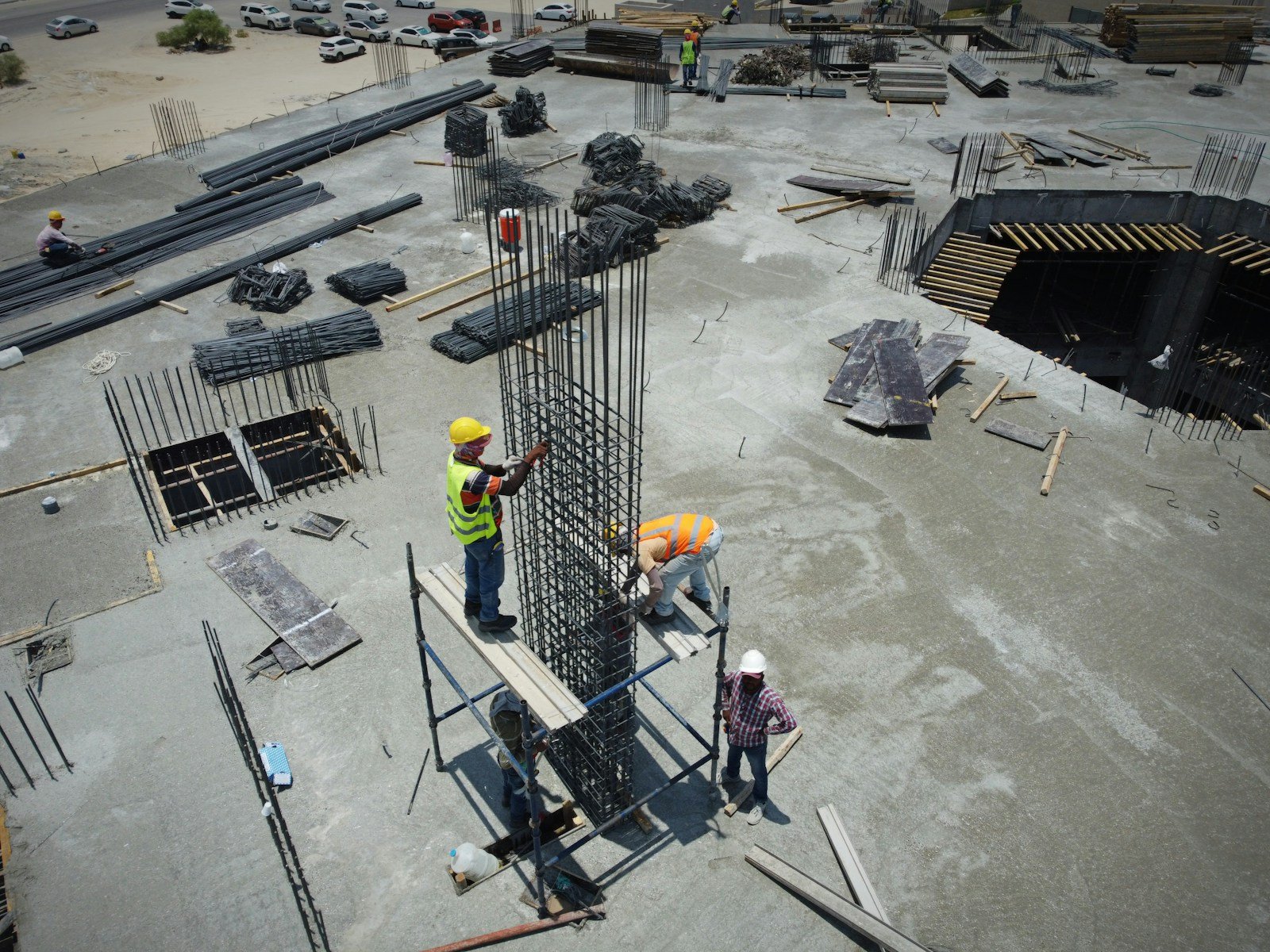
US construction employment increased by 11,000 in September 2026 while the economy added just 29,000 nonfarm jobs overall, according to the Bureau of Labor Statistics employment report released on October 2. For architects, contractors and developers, the distinction matters: activity on building sites can persist even as the wider hiring environment weakens.
What the construction numbers actually show
BLS described the monthly change in construction employment as limited, close to the sector’s average gain of 10,000 jobs over the preceding year. Nonresidential specialty trade contractors added 12,000 jobs. That subsector’s increase exceeded the construction total because changes elsewhere offset part of the gain. The 11,000 construction jobs are included in the national figure, not additional to it.
The report also lowered combined July and August payroll estimates by 60,000. These are employment estimates subject to revision, not a direct measure of new architectural commissions, construction starts, property sales or house prices.
Why architects and contractors should distinguish workloads from demand
For a design practice, employment on an active site does not establish the strength of the next commission pipeline. A project can require additional trades as it advances through construction even when its developer is delaying another investment. This is a possible explanation of how construction and wider hiring can diverge, not a project-level finding established by this release.
For contractors, the practical questions concern local trade availability, tender validity periods and the relationship between labour commitments and secured work. National payroll growth cannot substitute for those checks. For developers, financing terms and expected occupancy remain separate from the number of people currently employed in construction.
The link to inflation, financing and gold
The same employment release forms part of Dhbna’s analysis of why weaker US jobs did not sustain a gold rally. That analysis distinguishes softer hiring from the wider influence of energy costs, bond yields and the dollar. It is economic interpretation; BLS is the primary source for the employment figures.
The relevance to construction is the cost of capital. Slower hiring may soften expectations of monetary tightening, but it does not automatically reduce a developer’s borrowing rate. Credit spreads, lender requirements and project risk still matter. Likewise, wage growth is not a consumer-inflation measure: productivity, materials and margins affect how labour costs enter tender prices. Neither construction employment nor a single month’s hiring establishes where gold, housing prices or interest rates will move next.
✦ ArchUp Editorial Insight
Project finance and procurement operate on different clocks from monthly employment releases. Capital may have been committed long before a contractor recruits the trades needed for a later construction stage; an architect’s next commission may depend on credit conditions that have already changed. Reading employment growth as a general recovery therefore risks confusing work being delivered with work being authorised. The distribution of that uncertainty is the more consequential question. When financing decisions are deferred while tender prices must remain fixed, a contract can leave the contractor carrying exposure to wages and materials without control over the start date. Where that occurs, risk follows contractual terms rather than the party best positioned to manage it. The September figures do not demonstrate that such a transfer has happened on any particular project. They do, however, make the distinction between current workforce demand and future investment worth examining. For architectural practice, that distinction can shape phasing, specification flexibility and the viability of a proposed programme. Buildings emerge from these sequences of commitments; their eventual form cannot explain the economic pressures that decided whether, when and under what conditions they could be built.