When Architecture Becomes a Commodity: Reclaiming the Soul of the Profession

Recently, I came across a thought-provoking video by Matt D’Avella on YouTube titled “How Brands Manipulate You Into Buying More.” As a filmmaker, content creator, and minimalist, D’Avella dissects the pain points of our hyper-capitalist culture in just 15 minutes. From brands exploiting emotions to sell products to meticulously crafted logos and aspirational imagery, consumers are conditioned to build their identities through purchases. The cycle is endless—luxury cars, designer clothes, gadgets, even food.
But what happens when a service-based profession like architecture is no longer immune to this commodification? What happens when creativity, labor, and identity are also reduced to marketable products? For architects, these questions aren’t just philosophical—they’re existential.
The Commodification of Architecture
Today, architecture is increasingly treated as a product, sold through glossy presentations, Instagram feeds, and seductive renderings. The “lifestyle experience” has become a potent marketing tool, with buildings and spaces designed to sell a luxury identity to clients and investors rather than serving broader societal needs. This market-driven approach often sidelines contextual design, social responsibility, and sustainability, prioritizing profit over purpose.
Take, for example, the rise of “starchitecture” iconic buildings designed primarily for visual impact rather than functionality or community benefit. While these projects garner media attention, they often fail to address pressing urban challenges like affordability, climate resilience, or equitable access.

The Architect’s Identity Crisis
Architects today wear many hats: the romantic artist (often underfunded), the expert technician (with limited decision-making power), the responsible manager (burnt out from constant compromise), and the public servant (marginalized in policy debates). Fee structures reward quantity over quality, grueling work hours are normalized, and design decisions are filtered through developers’ profit margins. Unsurprisingly, many architects feel disillusioned, with some leaving the profession altogether.
Yet, this identity crisis could be the catalyst for reinvention.
Reimagining Architectural Practice
Instead of resisting commodification, architects can redefine their role by embracing collaborative, socially engaged models. Here’s how:
- Collective Practice
Firms like MASS Design Group (which stands for “Model of Architecture in Service of Society”) exemplify this shift. With 200+ architects, landscape designers, engineers, and researchers, MASS focuses on projects with tangible social impact, such as the Rwanda Institute for Conservation Agriculture. Built with local materials and craftsmanship, the institute trains future generations in sustainable farming while restoring biodiversity. - Participatory Design
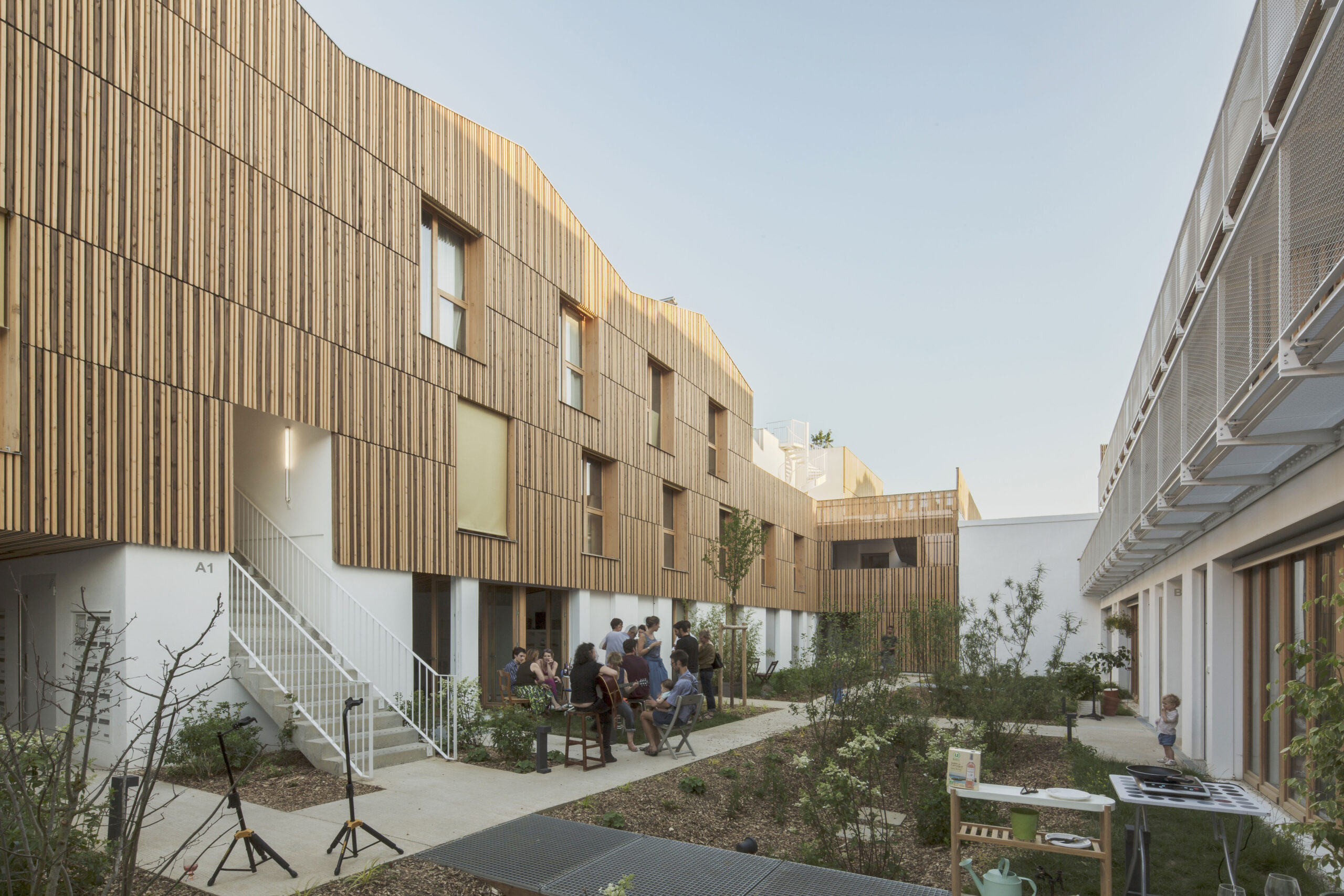
In France, NZI Architectes co-designed the Montreuil Participatory Habitat through workshops with residents, who became the project’s primary “hunters.” The result? Flexible living spaces, communal gardens, and a sense of ownership rarely achieved in top-down developments. - Open-Ended Architecture
Form4 Architecture’s No Spectators Museum in Black Rock City invites visitors to complete the exhibit themselves. With blank walls and modular galleries, it challenges the notion of static, curator-controlled spaces.
The Challenges Ahead
These approaches aren’t without hurdles. Participatory design can be messy and resource-intensive, while collective practice demands trust, dialogue, and relinquished ego. Yet, they offer a quiet rebellion against commodification a reminder that architecture’s value lies not in its marketability but in its ability to shape equitable, resilient communities.
Conclusion: A Call to Action
The profession’s survival may depend on architects embracing roles as listeners, collaborators, and advocates not just creators. By prioritizing social impact over starchitect fame, architecture can resist capitalism’s grip and, perhaps, reshape it entirely.
✦ ArchUp Editorial Insight
The piece examines architecture’s struggle against commodification, advocating for socially driven practices like participatory design and collective collaboration. While the argument is compelling, it occasionally glosses over the systemic barriers such as client expectations and financial viability that hinder widespread adoption of these models. A deeper exploration of scalable solutions would strengthen its practicality. Nonetheless, the emphasis on redefining success beyond profit and prestige is a vital provocation. By centering community and sustainability, the profession could reclaim its transformative potential, proving that architecture’s true value lies not in its marketability but in its capacity to foster meaningful change.
Brought to you by the ArchUp Editorial Team
Inspiration starts here. Dive deeper into Architecture, Interior Design, Research, Cities, Design, and cutting-edge Projectson ArchUp.