X1 Tests Electric Propulsion for Regional Aviation


Architectural Formulation of Massing and Function
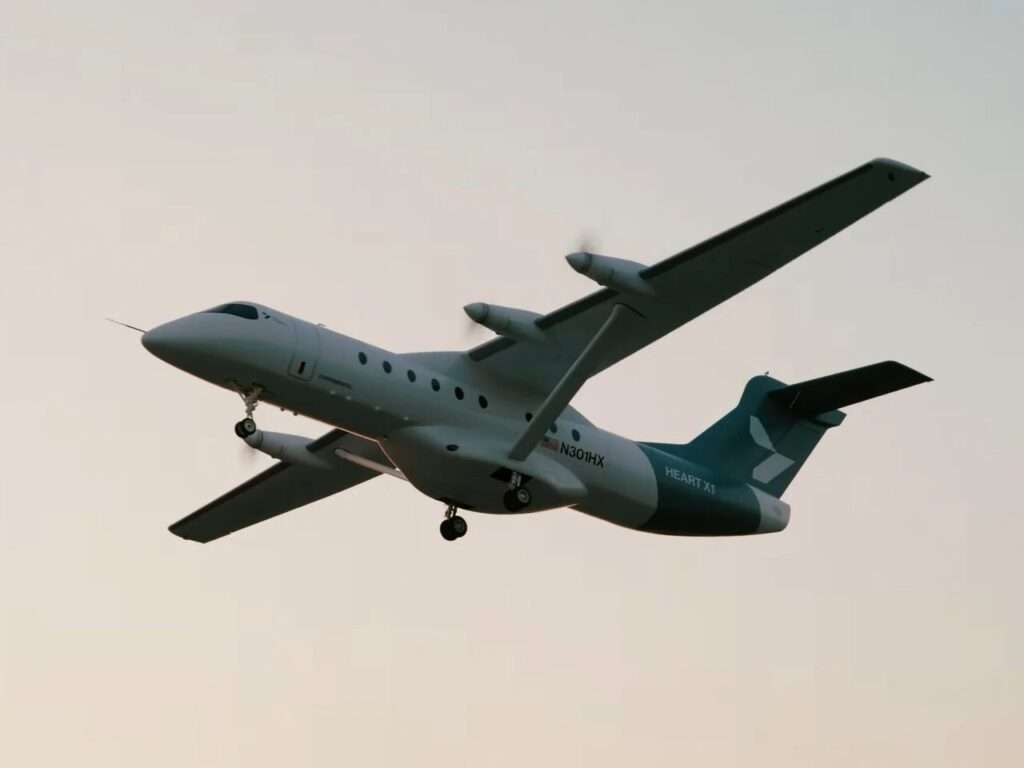
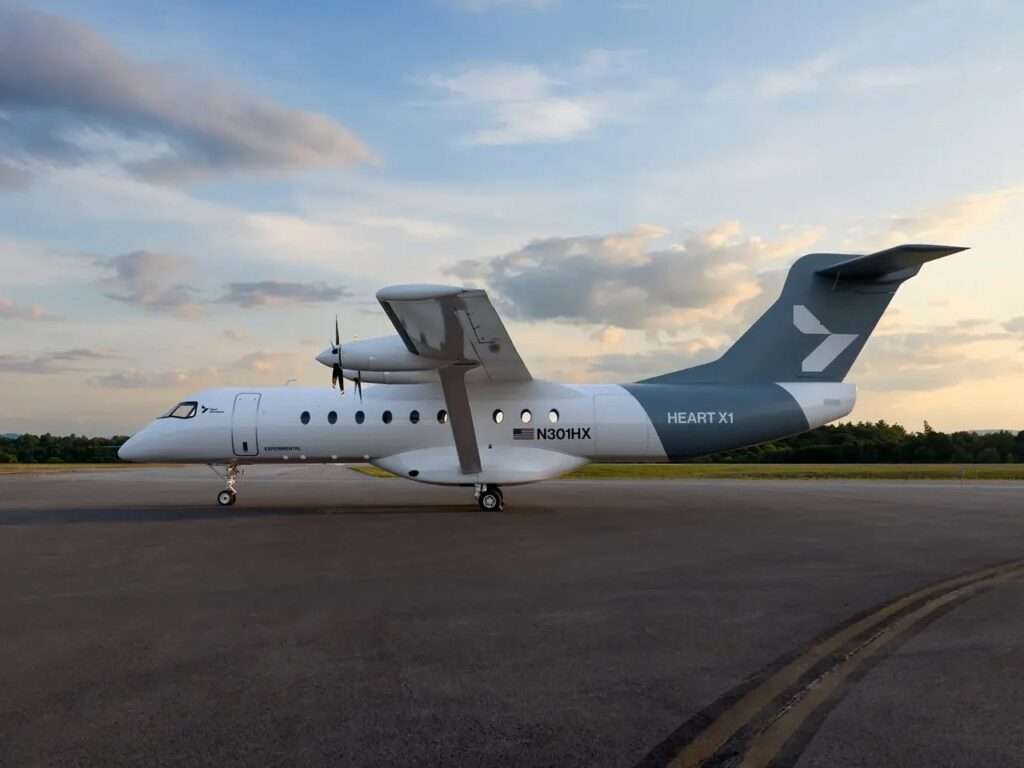
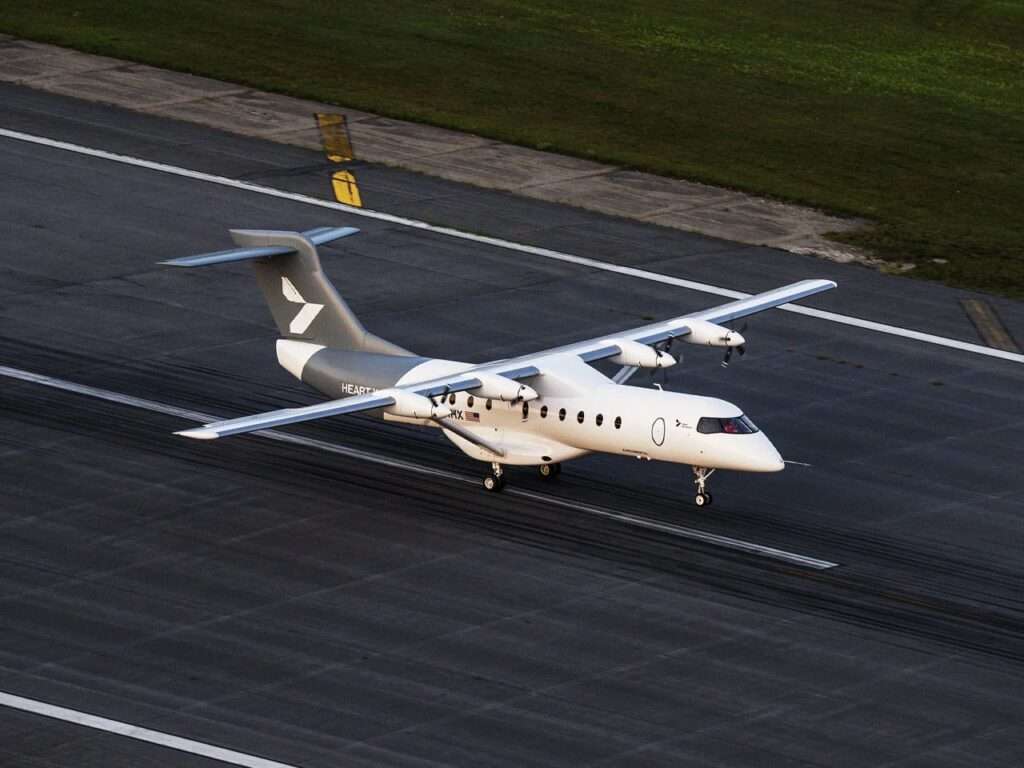
The X1 experimental aircraft represents a transition from testing electric propulsion on small-scale aircraft to evaluating the system at a full scale approaching that of regional aircraft. Its flight from Plattsburgh International Airport enabled the fully electric propulsion system to be tested within a large-scale airframe, while also demonstrating a distinct flight experience through reduced noise compared with conventional aircraft. From this perspective, the significance of X1 lies not solely in its physical form, but in testing the relationship between airframe scale and the electric propulsion system, as well as its ability to achieve actual flight.
Dynamic Integration and Testing
X1 is not intended to serve as a passenger aircraft; rather, it functions as a full-scale test platform for technologies that will be used in the development of the production ES-30, designed to accommodate 30 passengers. This prototype enables the evaluation of the electric propulsion system and its integration with the airframe under actual flight conditions, helping to transfer the technology from modeling and testing into practical application at a scale comparable to regional aircraft. In this way, X1 serves as an intermediary between the aircraft’s technological development and the operational requirements of the future production model.

Proportions and Structural Scale
X1 measures approximately 106 feet in wingspan and 76 feet in length, with a takeoff weight exceeding 25,000 pounds, giving it a substantial scale compared with smaller experimental electric aircraft. These proportions highlight the significance of transitioning to full-scale testing of the electric propulsion system, with four electric motors operating within a battery-powered configuration. This scale is not merely a visual characteristic of the aircraft, but an essential component of the testing process, intended to assess the ability of electric propulsion to operate an aircraft whose dimensions and weight approach the requirements of regional flight.
First Flight and Experimental Performance
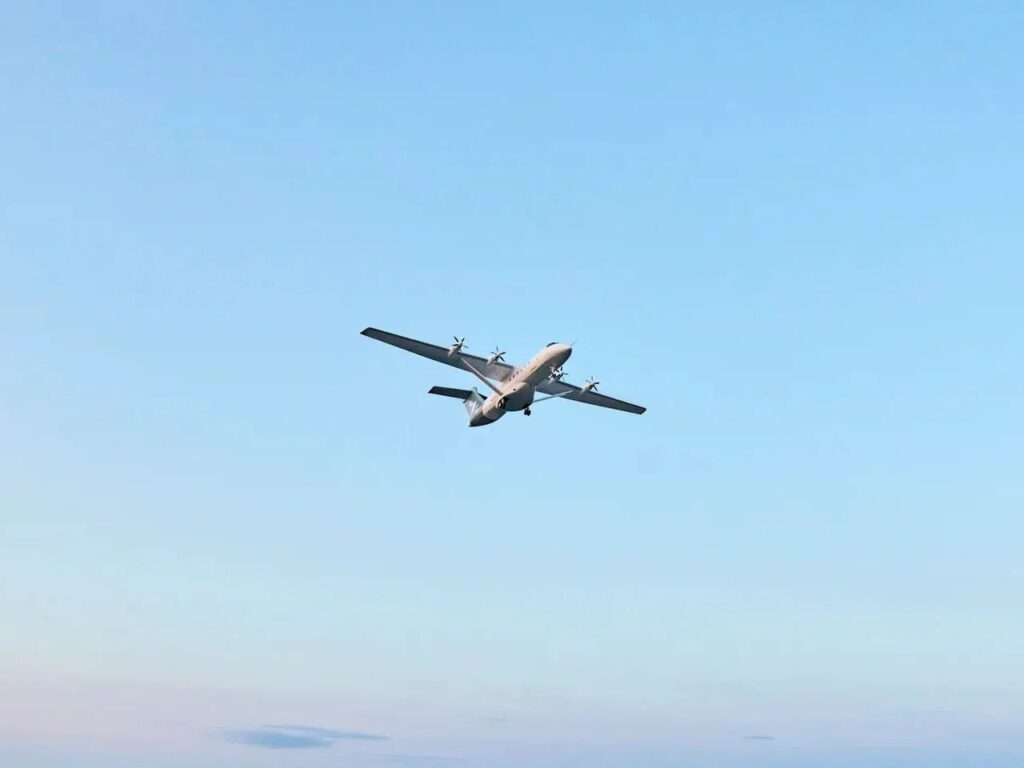
The first flight lasted 27 minutes and included takeoff, climb, maneuvering, and landing, providing a practical test of the electric propulsion system under actual flight conditions. During the flight, the aircraft reached an altitude of approximately 1,100 feet above ground level, while the propulsion system exceeded the megawatt threshold in power output. The flight was conducted under a special airworthiness certificate issued by the U.S. Federal Aviation Administration (FAA), allowing the company to evaluate X1’s performance within a regulated operational framework. This flight represents an important step in assessing the potential to scale electric propulsion from smaller experimental aircraft to aircraft approaching the size of the regional aircraft category.

Operational Efficiency and Energy Consumption
X1’s experimental flight reveals another aspect of the potential of electric propulsion, with the electricity used during the flight costing approximately $5. This figure illustrates the potential difference in energy costs between electric propulsion and conventional aircraft powered by fuel, while requiring a distinction between energy consumption during flight and the costs associated with ground operations. This result alone does not constitute a definitive assessment of the economic viability of electric aviation, but it provides a practical indication of the lower energy cost during the airborne phase of operation.
Hybrid System and Range
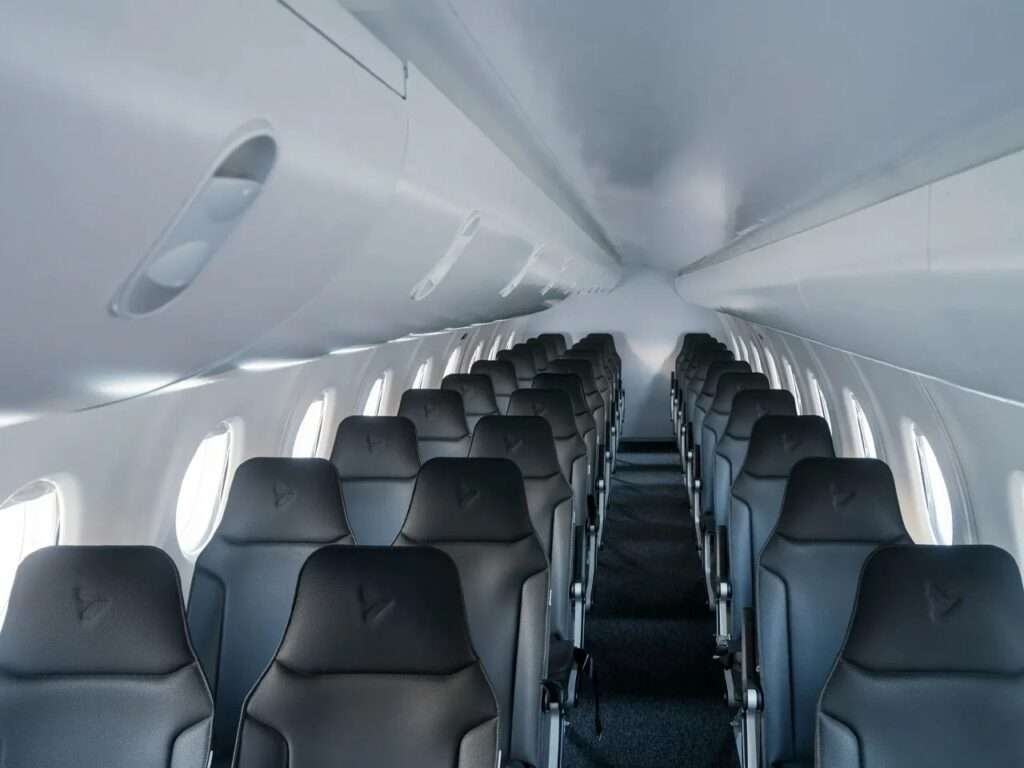
The limited energy density of batteries imposes constraints on the range of fully electric aircraft. For this reason, the ES-30 employs a hybrid propulsion system that combines electric propulsion with an additional energy source to extend flight range. According to the announced design, the aircraft has a purely electric range of approximately 125 miles, while its total range increases to nearly 500 miles when operating in hybrid mode. The aircraft is designed to accommodate 30 passengers, with the batteries capable of being recharged in approximately 30 minutes, supporting its operation on short- and medium-range regional routes.
Economic Viability and Commercial Program
Heart Aerospace expects the electric propulsion system to reduce ES-30 operating costs by more than 40% compared with conventional regional aircraft. This estimate is associated with the reduced number of mechanical components in the electric propulsion system and the lower maintenance requirements resulting from them. The ES-30 program has also attracted interest from major airlines, including United Airlines and Air Canada, with the value of announced commitments and orders for the program reaching approximately $9.4 billion, according to data released by the company.
Project Timeline and Development
X1 represents a critical experimental stage in the development of ES-30, enabling the company to test propulsion technologies and associated systems at a large scale before moving toward the production aircraft. The program targets the start of flight testing for the production model in 2028, with commercial service scheduled to begin in 2031 according to the announced timeline. Accordingly, X1’s flight does not signify the completion of electric aviation technology; rather, it represents a step toward verifying whether the technology can be scaled to a larger regional aircraft, while testing its performance and systems before reaching the stage of commercial operation.

✦ ArchUp Editorial Insight
X1 reframes electric aviation as an issue concerned with scale rather than propulsion alone. Its significance lies in testing battery-electric propulsion within an airframe approaching the dimensions of regional aircraft, where mass, energy density, and systems integration become interdependent variables. In this way, architecture extends its scope toward structural and technological performance, treating the aircraft as an integrated technological mass.
Yet the efficiency argument remains structurally incomplete. An energy cost of five dollars per flight does not establish economic viability when battery production costs, charging infrastructure, replacement cycles, certification requirements, and the complexity of the hybrid system remain outside the calculation. Likewise, the projected reduction in operating costs for the ES-30 is based on assumptions that have not yet been commercially tested. X1 demonstrates that large-scale electric flight can be tested, but it does not yet establish its economic or operational superiority.