Créateurs Design Awards Selects 2027 Andrée Putman Lifetime Achievement Honoree

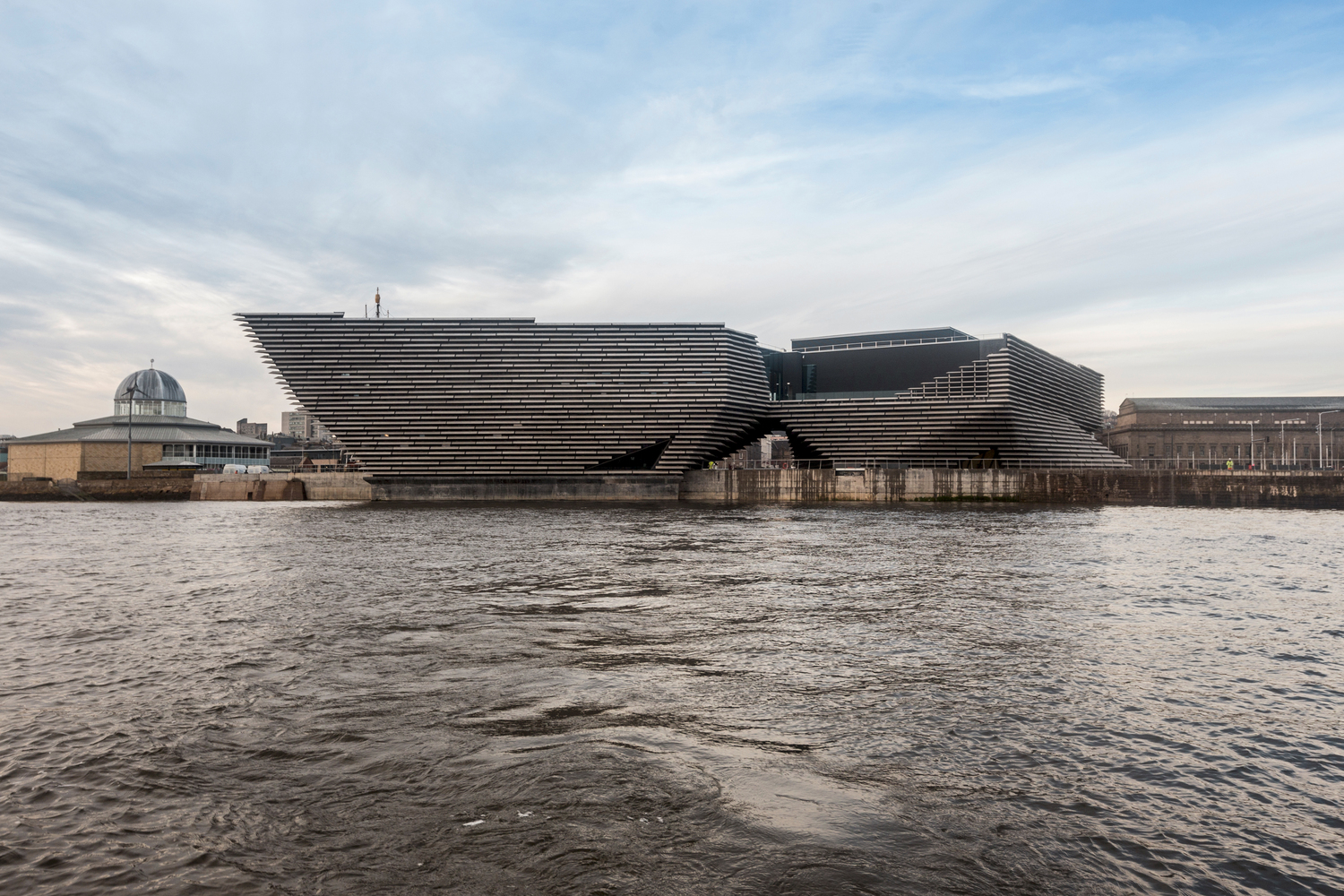
The Créateurs Design Association selected an international Japanese studio to receive the 2027 Andrée Putman Lifetime Achievement Award in Paris. The recognition honors more than three decades of work that connects modern building techniques with traditional craft and natural materials. Organizers will present the honor during an official ceremony at the Shangri-La Paris in January 2027.
The award represents one of two legacy honors from the organization. Members of the association select the recipient directly rather than reviewing open public submissions. The award ceremony will coincide with the broader 2027 awards cycle, which accepts entries across fifteen creative fields including architecture, interior spaces, and product development.
The recognized body of work spans civic landmarks, cultural centers, transport hubs, and academic research across multiple continents. Since establishing its first studio in 1990 and expanding to Paris in 2008, the practice has focused on the relationship between the built environment and the natural landscape.
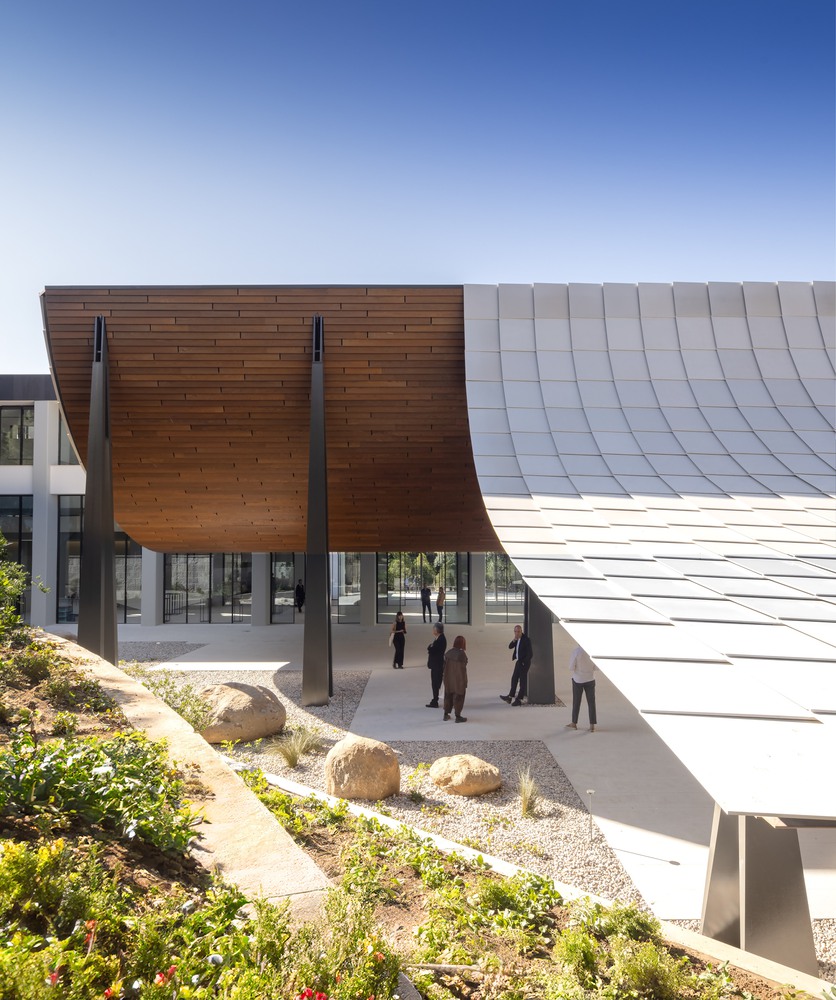
Timber Systems and Regional Material Traditions
The studio frequently adapts traditional Japanese woodworking methods to contemporary structural demands. Instead of relying on solid concrete masses, the designs break large building envelopes into delicate, overlapping screens made of timber, stone, and ceramic tiles. This strategy filters daylight and softens the visual impact of massive public infrastructure.
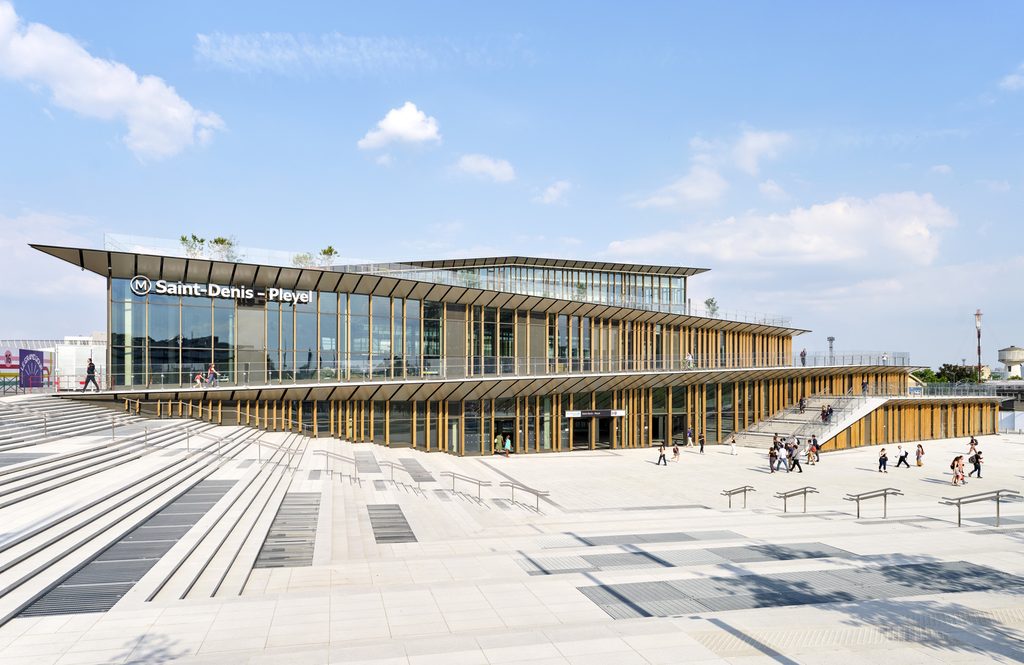
Major completed projects illustrate this material approach worldwide. Notable examples include the V&A Dundee in Scotland, where layered concrete panels evoke coastal cliffs, and the Saint-Denis Pleyel transit station in Paris, which opened in 2024 with a soaring timber-clad atrium. In addition, the practice led the design of the Japan National Stadium in Tokyo for the 2020 Summer Olympics, integrating eaves layered with locally sourced timber.
Academic Research and Global Recognition
Parallel to construction projects, the design leadership has maintained an extensive teaching career at universities across Japan and the United States. Academic seminars and published essays explore how lightweight structures can replace heavy industrial materials in modern cities.
This sustained inquiry has earned numerous international honors over the past decade. Recent distinctions include the Wood Design Award, the Global Award for Sustainable Architecture, and the 2025 Louis I. Kahn Award. The selection for the 2027 Putman Award marks another milestone in the global evaluation of craft-based contemporary building.
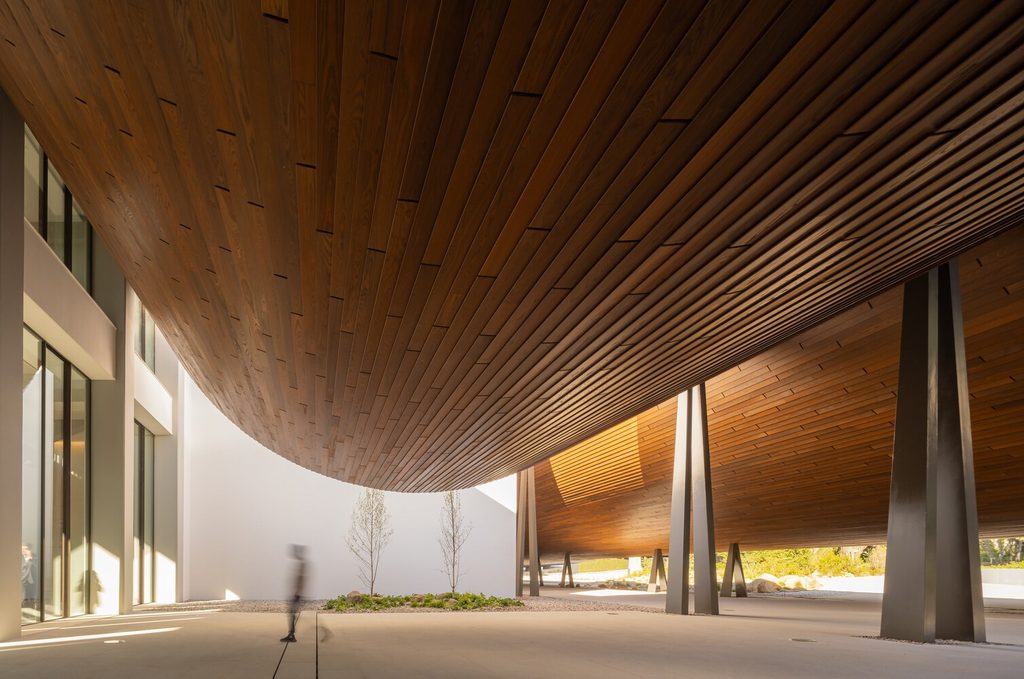
The studio approaches architectural production as an ongoing, deliberate pursuit rather than a series of isolated commercial commissions. Regular writing, material testing, and environmental monitoring shape the evolving portfolio.
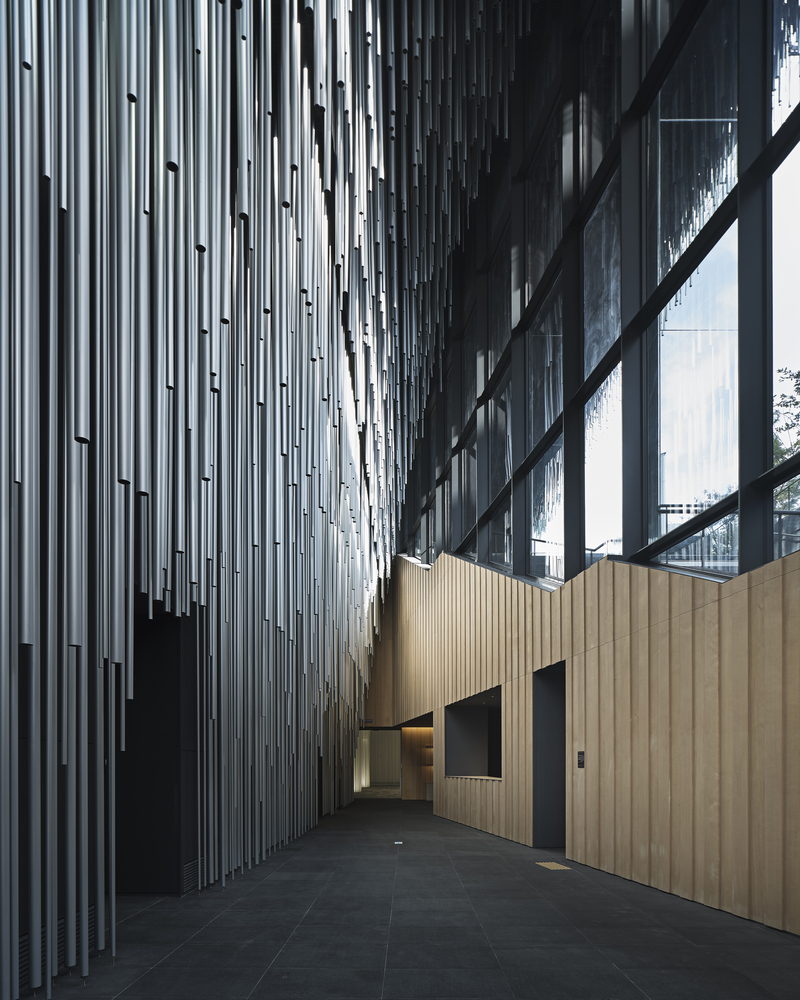
Material Dispersal and Structural Logic
The practice distinguishes itself by dissolving heavy building mass into small, repetitive components. Instead of presenting a building as a single solid object, the structural strategy divides walls and roofs into layered louvers, slats, and porous screens. This approach transforms how visitors experience shelter. Daylight filters through narrow gaps, while overlapping surfaces cast shifting shadows across interior pathways. The technique bridges large-scale public infrastructure and human-scale craft. However, this delicate assembly also introduces technical complexity. Multiplying small joints and exposed wooden elements demands rigorous maintenance protocols and precision engineering to withstand weathering over decades of urban use.
✦ ArchUp Editorial Insight
By translating traditional timber joinery into contemporary civic infrastructure, the practice redefines how modern cultural institutions engage organic materials within dense urban settings. The ongoing work proves that porous, lightweight building envelopes can successfully replace monolithic concrete masses without sacrificing spatial grandeur or functional efficiency. This philosophy reorients large-scale construction toward tactile warmth, local craft identity, and human scale. Yet, exporting fragile artisanal methods across diverse international climates introduces an inevitable structural and operational friction. Translating localized Japanese carpentry traditions into massive civic infrastructure frequently demands concealed steel sub-frames, complex chemical preservatives, and extended global transport logistics. When high-volume civic design relies on intricate exterior assemblies, relentless environmental exposure and demanding maintenance cycles severely challenge the idealized sustainability of the natural material narrative.
Project Team: Kengo Kuma, Kengo Kuma & Associates (KKAA). Location: Tokyo, Japan and Paris, France.
Project Notes: 2027 Andrée Putman Lifetime Achievement Award presented by the Créateurs Design Association at the Shangri-La Paris on January 16, 2027. Submissions for the 2027 awards cycle run from September 1 through October 31, 2026.