Ross Barney Architects Activates Chicago Commercial Corridor With Mixed-Use Infill

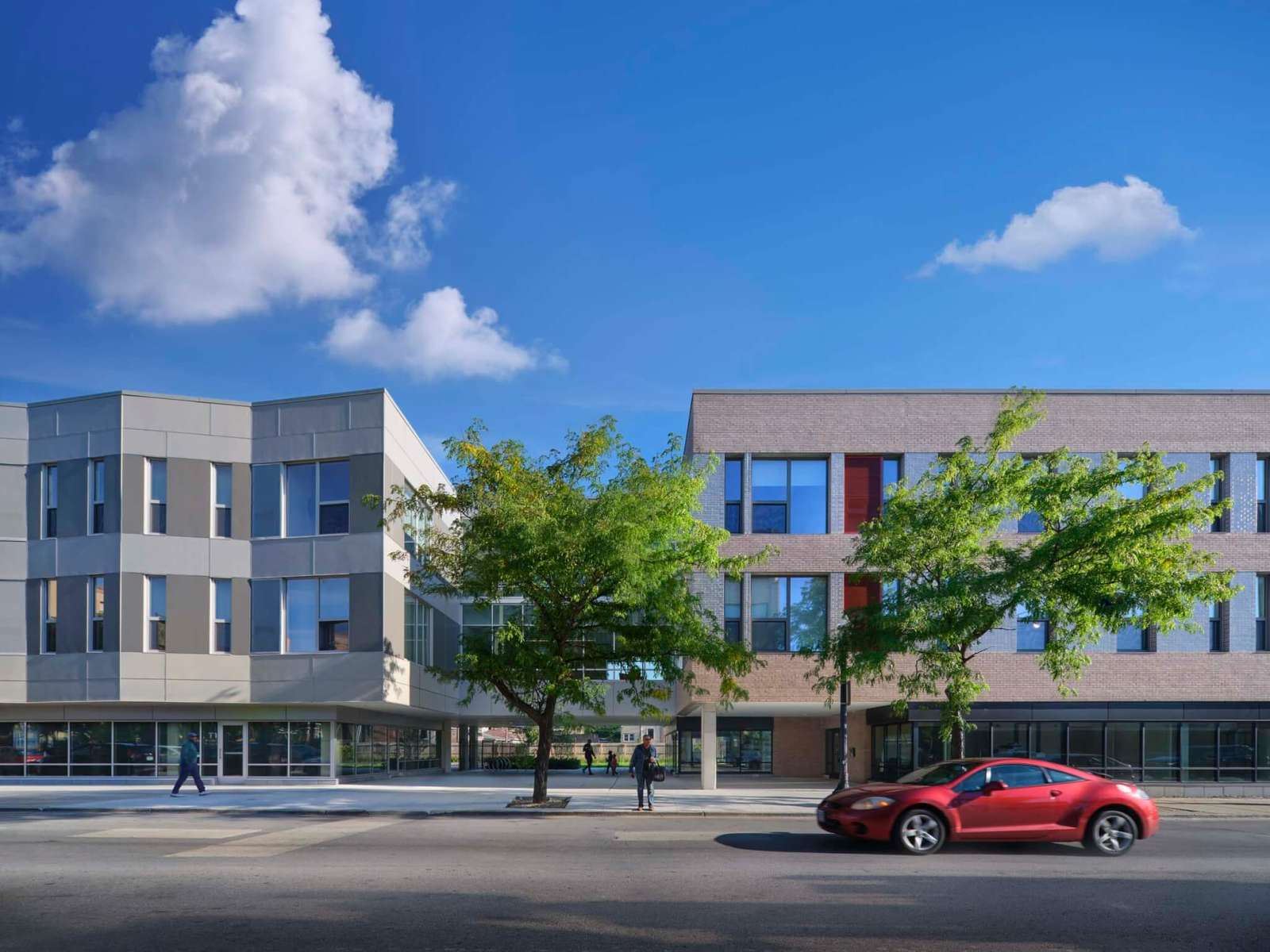
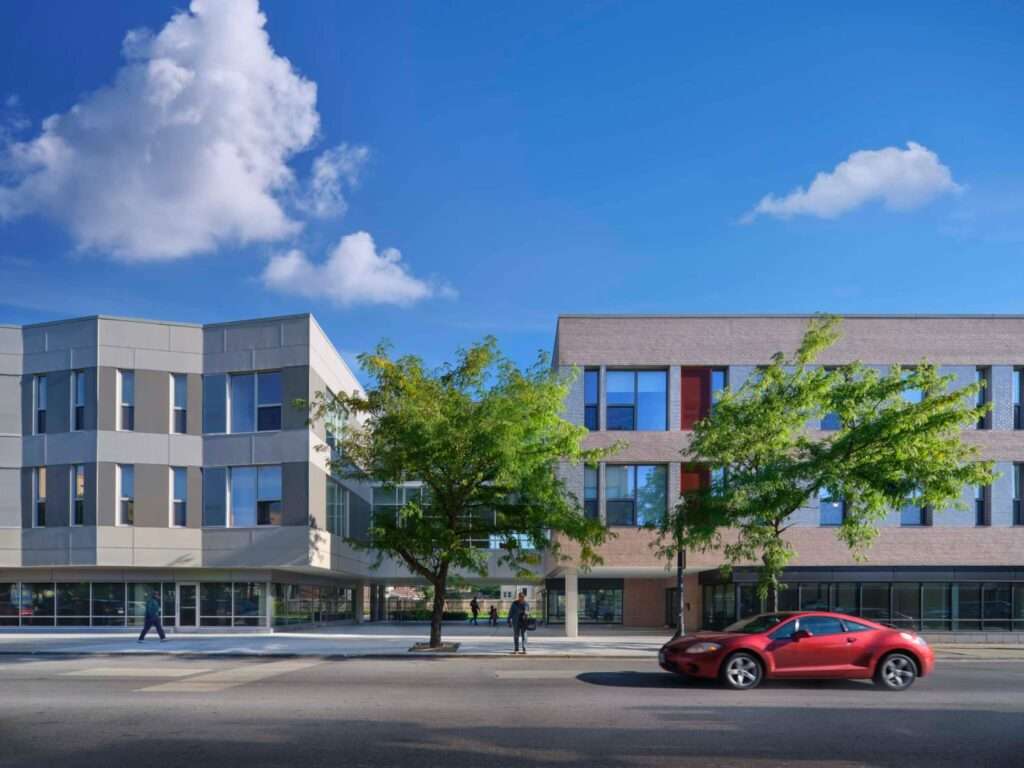
Ross Barney Architects and developer Evergreen Housing completed a two-site residential and commercial development in Chicago’s Auburn Gresham neighborhood. The project revitalizes two parcels along the 79th Street business corridor that remained vacant for nearly a decade. By splitting the program across two distinct locations, the design team addressed local density concerns while providing 58 new buildings for residential use and street-level retail space.
The Invest South/West initiative supported the transformation of these long-disinvested sites. Initially, the city proposed a single 60-unit block on one lot, but neighborhood residents resisted the scale of the plan. In response, Ross Barney Architects reorganized the architecture to distribute the units and program. This strategy allows the project to integrate more effectively with the surrounding historic bungalow-style residences and single-family housing context.
Distributed massing and material transitions define the primary site
The first site contains 28 units divided into two segments along 79th Street to reduce the perceived volume of the structure. Maroon and gray brick clads a three-story stack on the eastern end of the parcel. To the west, an undulating three-story facade zigzags over the first-floor commercial area, creating a dynamic street edge. A recessed glazed bridge links these two blocks, providing a physical connection while maintaining visual separation.
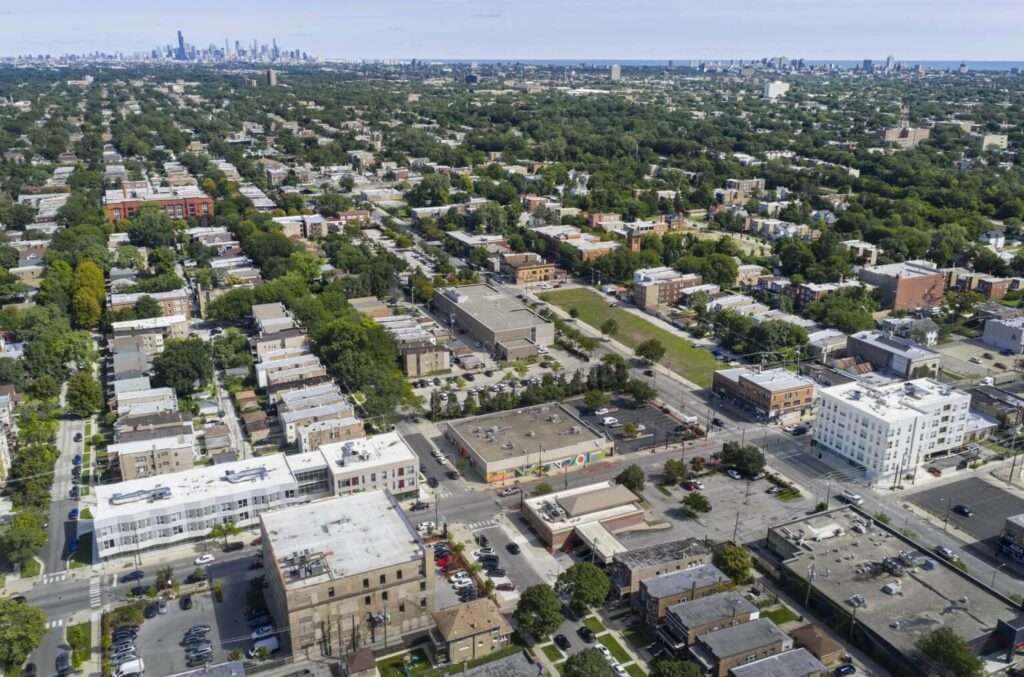
A green space sits behind the street-facing blocks, offering residents a quiet retreat from the active commercial corridor. This configuration balances the need for urban density with the community’s desire for open space and smaller-scale footprints. The design team utilized the ground floor for retail, encouraging foot traffic and supporting the neighborhood’s goal of revitalizing local businesses.
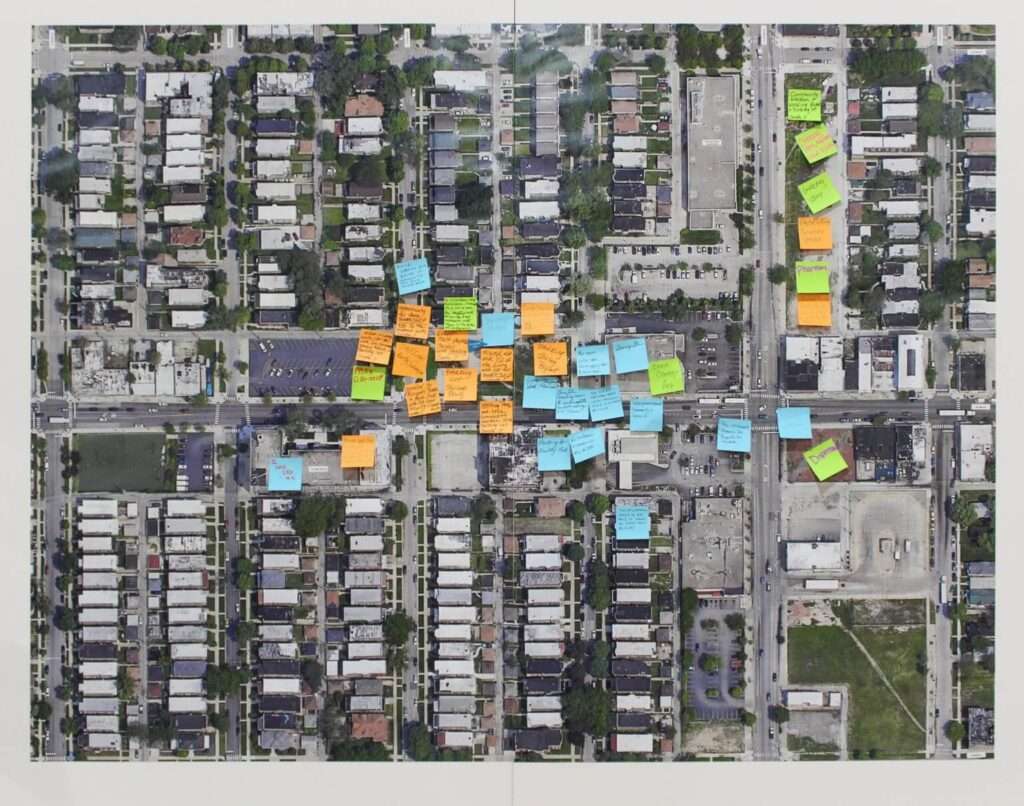
Verticality and amenities characterize the secondary lot
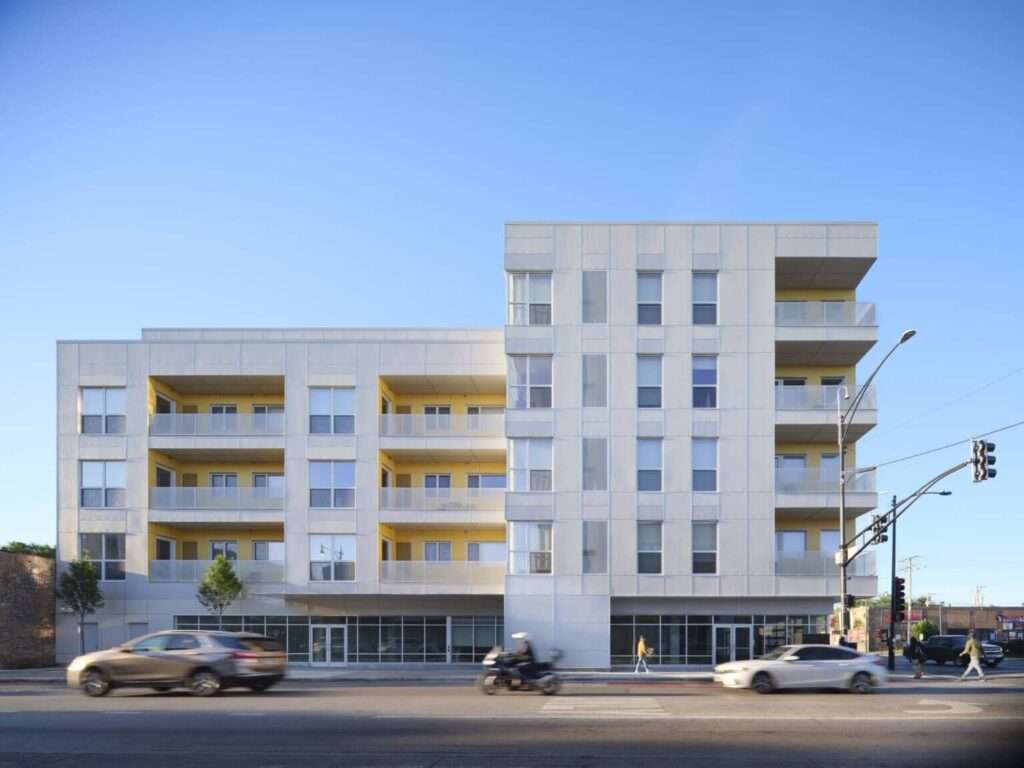
On the second lot, located half a block away, the team constructed a five-story L-shaped volume. This building features cream-and-gray cement board paneling. Recessed sunflower-colored balconies provide depth to the envelope and offer private outdoor space for the 30 residential units. Interior amenities include a laundry room with views of downtown Chicago and a large rooftop deck for communal use.
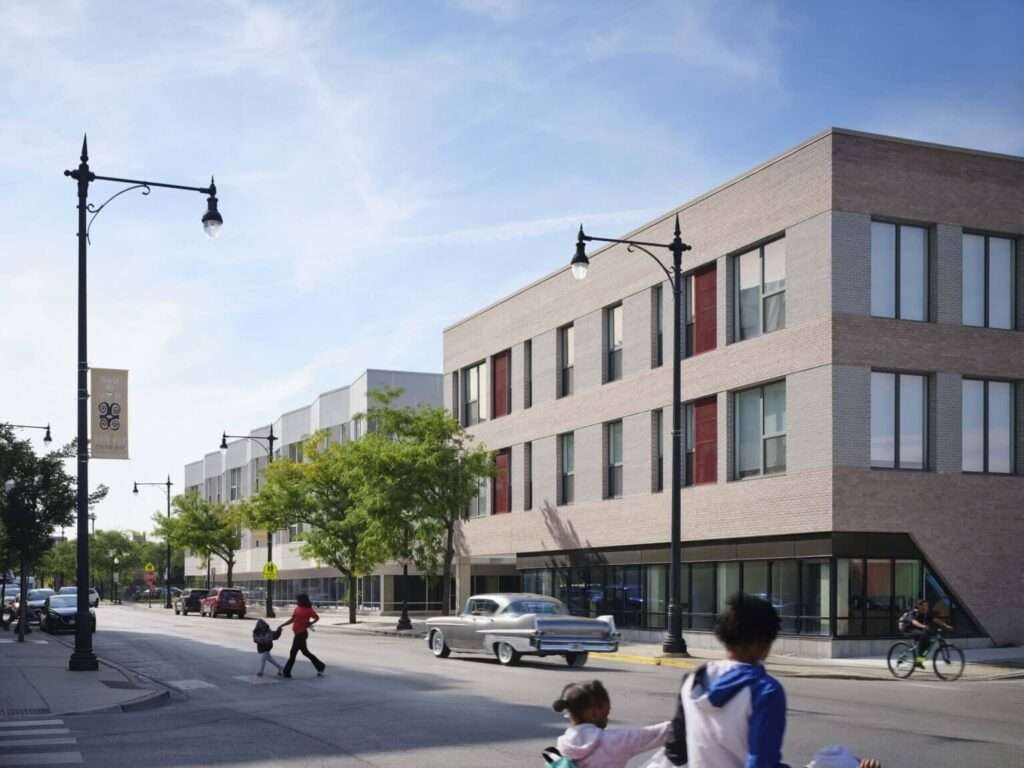
The project successfully targets a younger demographic that previously struggled to find modern housing within the neighborhood. All residential units reached full occupancy shortly after completion, with the majority of tenants representing a new generation of Auburn Gresham residents. A restaurant plans to occupy the first-floor retail space of the five-story building, further activating the street corner.
Future infrastructure improvements will strengthen the project’s connection to the broader city. Ross Barney Architects currently designs a new Metra transit station within walking distance of the sites. This upcoming transport interface will improve accessibility for residents commuting to downtown for work and entertainment, reinforcing the long-term viability of the 79th Street corridor construction efforts.
Project Team: Ross Barney Architects, Evergreen Housing, Evergreen Real Estate Group. Location: Auburn Gresham, Chicago, Illinois.
Project Notes: Completed project, 58 residential units across two sites, funded via Invest South/West initiative. All units currently leased.
✦ ArchUp Editorial Insight
Ross Barney Architects’ intervention in Auburn Gresham diagnoses the “Main Street” decline as a generational rupture rather than mere economic stagnation. By fragmenting the housing program across two non-contiguous sites, the design successfully bridges the aesthetic anxieties of long-term homeowners with the programmatic desires of younger residents. This strategy repositioned dense architecture as a tool for neighborhood retention rather than a vehicle for external gentrification.
However, framing this success as a triumph of community engagement masks a deeper dependency on top-down state intervention. While the distributed massing respects the bungalow context, the project’s long-term viability relies entirely on an upcoming transit station to link these cities to downtown capital. Without this infrastructural umbilical cord, such localized infill risks becoming a subsidized island rather than a self-sustaining commercial ecosystem.