Author: Jenna AL-Saggat

Gina Al-Saqqat is an architectural journalist specializing in Architecture News, delivering insights and updates from the world of design.
  • Red Sand (Raml Ahmar)

    OverviewRed sand, also known as “Raml Ahmar,” is a popular construction material known for its distinctive red hue and versatility. It is often used for making concrete, plastering, and creating decorative surfaces in both residential and commercial projects. The sand’s…

  • Fill Sand (Dafan)

    OverviewFill sand, commonly known as “Dafan,” is a compactable material used in construction for backfilling, leveling, and foundational support. It is composed of fine to medium-sized granular particles that enhance soil stability, making it a crucial material for road construction,…

  • 3/8 Aggregate (Crushed Stone)

    Overview:3/8 aggregate, also known as crushed stone 3/8, is a finely graded type of gravel commonly used in construction, concrete production, and landscaping. Its small particle size makes it ideal for enhancing the strength and durability of concrete mixes, as…

  • Dossary Sand

    Overview:Dossary sand is a high-quality type of sand known for its fine texture and excellent purity. It is widely used in construction, plastering, and masonry work due to its smooth consistency and superior bonding properties. This type of sand is…

  • Scratch Coat (Tartasha)

    Overview:A scratch coat, also known as “Tartasha” in Arabic, is the first rough plastering layer applied to walls and ceilings before the final finishing coat. This layer provides a textured surface to enhance adhesion for subsequent layers, ensuring durability and…

  • Plastering Sand

    Overview:Plastering sand is a fine-grain sand specifically used for plastering walls and ceilings. It provides a smooth and durable finish, ensuring strong adhesion with cement and other binding materials. Sourced from riverbeds or crushed aggregates, this sand is free from…

  • Insulated Standard Concrete Block

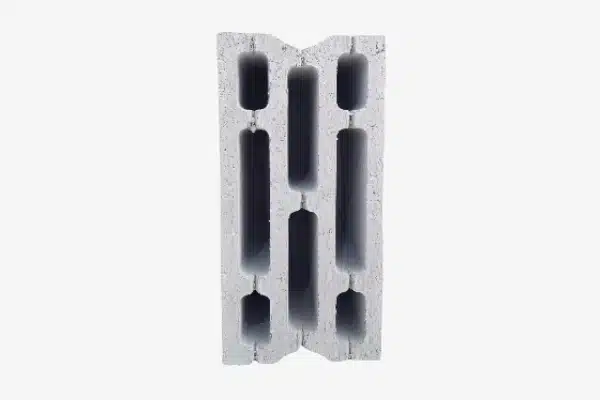
    Overview:The insulated standard concrete block is designed to provide both structural integrity and thermal insulation. It is commonly used in residential and commercial buildings where energy efficiency is a priority. This type of block contains insulation materials or is manufactured…

  • Standard Concrete Block

    Overview:A standard concrete block is a fundamental construction material used in a variety of building applications. It is widely utilized due to its durability, affordability, and versatility. Standard blocks can be solid or hollow and are commonly used in walls,…

  • Solid Concrete Block

    Overview:A solid concrete block is a dense, durable, and high-strength building material used in various construction applications. Unlike hollow blocks, it is completely solid, providing excellent load-bearing capacity and superior durability. It is widely used in foundation walls, retaining walls,…

  • Double Hole Insulated Autoclaved Aerated Concrete (AAC) Block

    Overview:The Double Hole Insulated Autoclaved Aerated Concrete (AAC) Block is an advanced lightweight building material designed for energy-efficient and sustainable construction. Featuring two internal cavities, this block enhances thermal insulation and soundproofing while maintaining structural integrity. Its autoclaved aerated composition…

  • American Insulated Autoclaved Aerated Concrete (AAC) Block

    Overview:American Insulated Autoclaved Aerated Concrete (AAC) block is a lightweight, high-performance building material known for its superior thermal insulation, soundproofing, and fire resistance. Manufactured through a process involving high-pressure steam curing (autoclaving), AAC blocks have a porous structure, making them…

  • Red Brick

    Overview:Red brick is one of the oldest and most commonly used building materials, known for its durability, strength, and aesthetic appeal. Made primarily from clay and fired at high temperatures, it is widely used in walls, facades, and load-bearing structures….

  • Hollow Red Hordi Block

    Overview:Hordi Block, also known as a hollow clay block, is a lightweight, load-reducing building material widely used in slab construction. Made from natural clay and fired at high temperatures, this block is designed to create voids in concrete slabs, reducing…

  • Steam Block (AAC Block)

    Overview:Steam Block, also known as Autoclaved Aerated Concrete (AAC), is a lightweight, high-performance building material made from sand, lime, cement, and aluminum powder. It undergoes a steam curing process in an autoclave, resulting in a porous structure that provides excellent…

  • The Role of IoT in Smart Architecture: Transforming Building Performance

    The Internet of Things (IoT) is revolutionizing architecture, making buildings more efficient, intelligent, and responsive. By integrating smart sensors, automation, and real-time data analytics, IoT-powered architecture enhances building performance in areas such as energy management, security, occupant comfort, and sustainability….

  • The Intersection of Smart Architecture and Modern Interiors

    As technology continues to reshape the built environment, the integration of smart architecture with modern interiors is revolutionizing the way we experience and interact with spaces. This intersection not only enhances efficiency, comfort, and sustainability but also redefines aesthetics and…

  • Sustainable Smart Architecture: How Technology Powers Green Buildings

    The rise of smart architecture is revolutionizing the construction industry, paving the way for sustainable, energy-efficient, and environmentally responsible buildings. By integrating cutting-edge technologies such as artificial intelligence (AI), the Internet of Things (IoT), and energy-efficient materials, architects and engineers…

  • How Smart Cities and Architecture Shape Urban Spaces of Tomorrow

    As urban populations grow, cities face increasing challenges related to sustainability, infrastructure, and quality of life. Smart cities and intelligent architectural designs are transforming urban spaces by integrating technology, data-driven solutions, and innovative materials. These advancements not only improve efficiency…

End of content

End of content