Azteca Stadium Reopens Following Infrastructure Upgrades for FIFA World Cup 2026

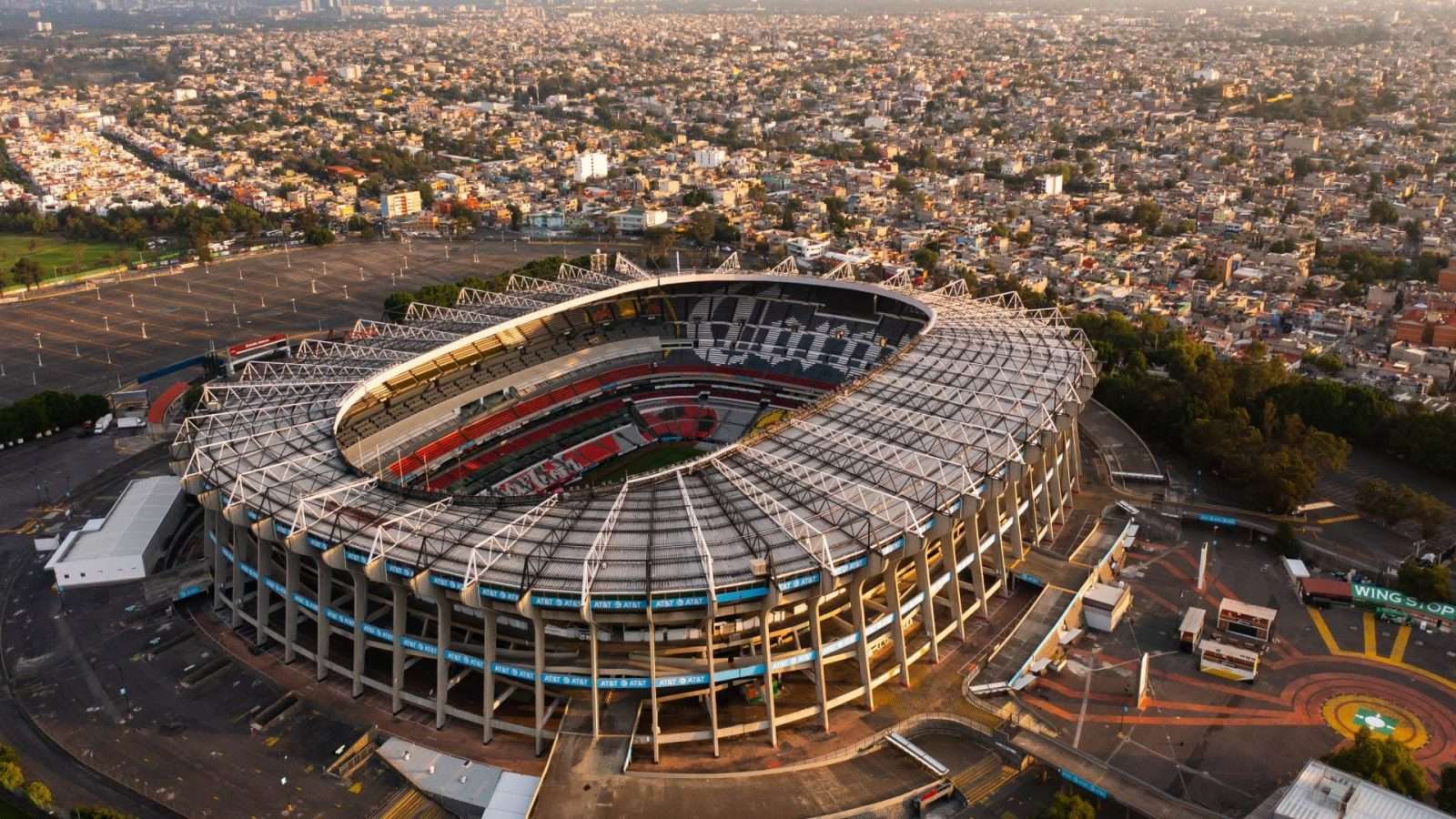
Azteca Stadium in Mexico City recently reopened its doors to host international football following an extensive renovation program. The project prepares the historic venue for the FIFA World Cup 2026, where it will become the first stadium to host an opening match for a third time. The renovation integrates modern architecture standards and FIFA-compliant technical systems while maintaining the core structure of the original arena.
The technical scope of the construction focused on several key performance areas. Workers installed a new hybrid playing surface to improve durability and pitch quality. In addition, the project replaced seating across multiple sections and overhauled the locker rooms to meet contemporary athlete requirements. Enhanced digital systems now support the venue, including high-definition video screens and expanded Wi-Fi networks for spectators.
Technical Upgrades and Hospitality Enhancements
Beyond the primary pitch area, the design team prioritized the spectator sequence and hospitality facilities. The renovation introduces upgraded luxury suites and improved public amenities throughout the concourses. These changes address the increased demands of a global tournament while ensuring the stadium remains operational for high-capacity international events. An international friendly match between Mexico and Portugal served as the primary test event for these newly commissioned facilities.
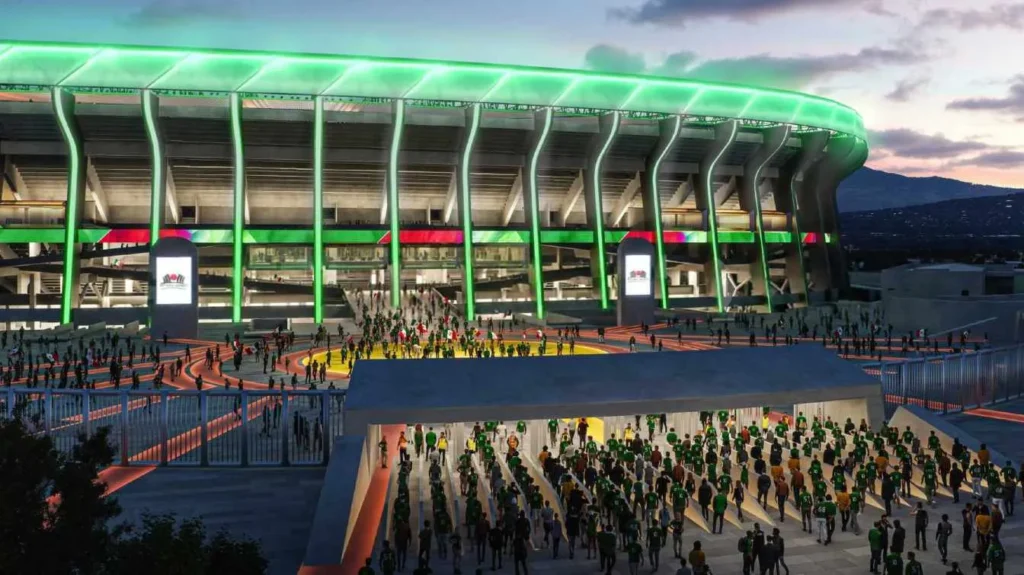
The project also extends beyond the stadium envelope to the surrounding urban planning context. Local authorities completed significant upgrades to the immediate precinct to manage anticipated spectator volumes. These interventions include the modernization of drainage systems, the repair of nearby road networks, and the expansion of pedestrian areas to improve safety and movement around the stadium perimeter.
Transport Integration and Civic Infrastructure
Transit connectivity forms a vital part of the venue’s operational strategy. The city improved light rail links serving the stadium to facilitate efficient arrival and departure sequences for fans. This infrastructure investment supports the stadium’s role as a co-host venue for the 2026 tournament alongside sites in the United States and Canada. The venue expects to host the opening match on June 11, marking a symbolic milestone for Mexican sports history.
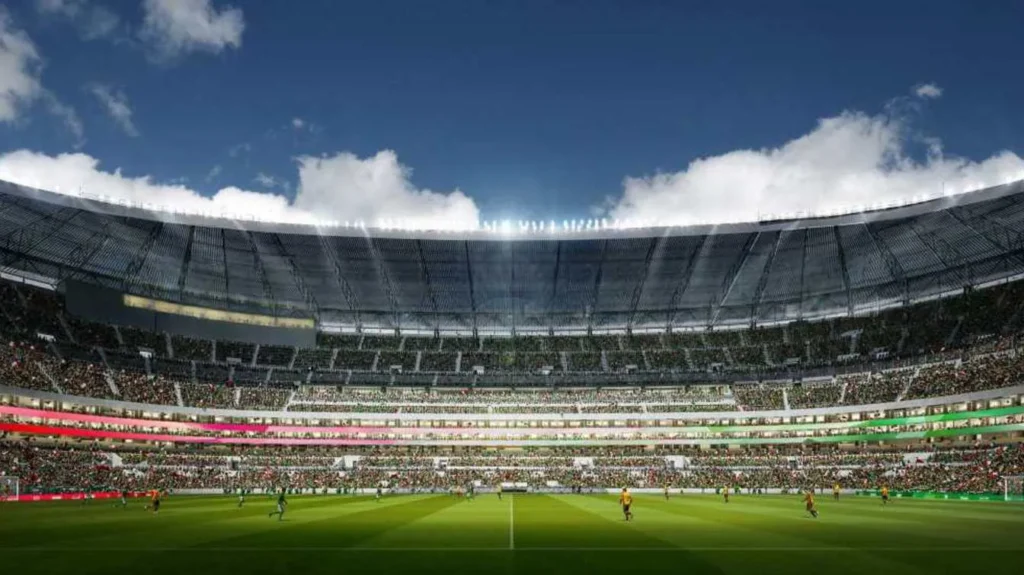
The completion of these works ensures that the venue meets all FIFA requirements for 2026 while preserving its status as a significant cultural asset. By combining structural heritage with modern technical systems, the renovation provides a durable platform for future operations. The stadium now enters its final phase of preparation before the global tournament begins.
Project Team: Not specified in source. Location: Mexico City, Mexico.
Project Notes: The project reached completion in June 2026. Upgrades included a hybrid pitch, new seating, and light rail enhancements for the FIFA World Cup 2026.