Beijing Named World Capital of Architecture for 2029

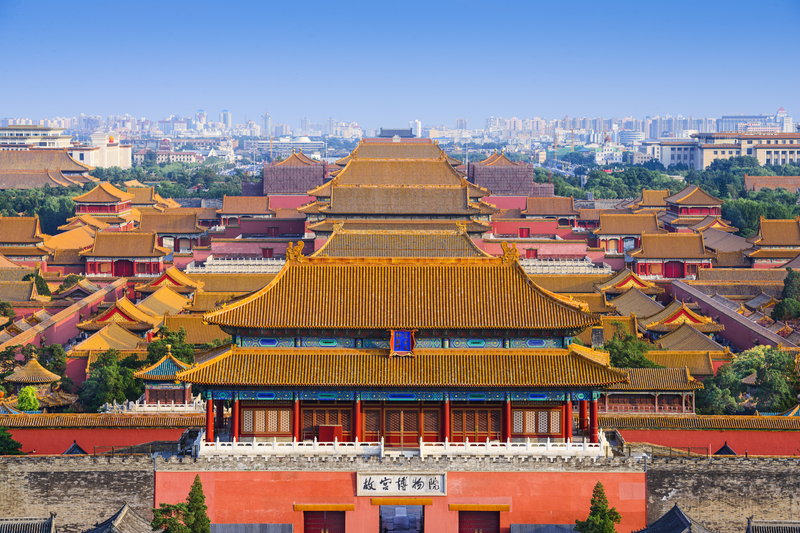
UNESCO and the Union of International Associations named Beijing as the World Capital of Architecture for 2029. The designation recognizes the city for balancing its ancient urban fabric with rapid modern growth. This selection positions the city as a global hub for discussing how historical preservation and sustainable development coexist in a megacity.
The city joins an exclusive list of global metropolises that have held this triennial title. Previous holders include Rio de Janeiro in 2020 and Copenhagen in 2023, while Barcelona prepares for its turn in 2026. The selection process involves a specialized committee that evaluates how cities integrate design into their social and environmental policies.
The committee highlighted the city’s ability to maintain its architectural identity while pursuing aggressive sustainability goals. The jury particularly noted the successful integration of heritage sites within a constantly evolving urban landscape. This transformation serves as a case study for other rapidly growing regions facing similar pressures between preservation and modernization.
Balancing Culture and Natural Systems
For the 2029 term, the city adopts the theme “Back to Balance.” This framework presents architecture as a vital connector between culture, nature, and the public. The program will include a series of international conferences, exhibitions, and educational initiatives designed to bring professional discourse into the public realm.
The upcoming events aim to demonstrate how architecture improves daily life and protects shared history for future generations. Organizers expect the 2029 program to foster new dialogues regarding urban transformation. By focusing on the “power of architecture,” the city intends to showcase how technical design choices impact social equity and environmental health on a massive scale.
Technical experts and civic leaders will gather to analyze the city’s dynamic evolution. The schedule focuses on practical solutions for safeguarding heritage while upgrading infrastructure. This dual approach ensures that the city remains a living museum as much as a high-tech global capital.
Urban Positioning and Heritage Integration
The designation acknowledges the city’s sophisticated approach to circulation hierarchy and programmatic intelligence within a historic core. By managing the tension between the horizontal, walled logic of ancient districts and the vertical density of the new business hubs, the city creates a unique spatial sequence. The “Back to Balance” theme addresses the material resolution required to retrofit existing structures without erasing their cultural value. This strategy prioritizes operational continuity across the urban envelope, ensuring that modern energy resilience measures do not compromise the integrity of the historic skyline. The selection validates a campus-scale logic applied to an entire city, where transport interfaces and public realms function as bridges between disparate historical eras.
✦ ArchUp Editorial Insight
The designation of the 2029 World Capital highlights a successful synthesis of preservation and progress. The city effectively utilizes its ancient axial planning to anchor a modern architecture that emphasizes scale and symbolic power. By framing the city as a bridge between nature and culture, the theme suggests that high-density development can coexist with ecological sensitivity. However, this narrative often masks the inherent friction between top-down planning and the organic needs of local communities. While the institutional gaze celebrates the “balance” of the skyline, the reality of cities undergoing rapid change often involves the displacement of traditional living patterns in favor of sanitized heritage zones. The true challenge lies in ensuring that professional accolades translate into genuine spatial agency for the city’s residents beyond the official conference halls.
Project Team: UNESCO, Union of International Associations (UIA), Joint Committee for the World Capital of Architecture. Location: Beijing, China.
Project Notes: Title awarded for the 2029 triennial cycle. The selection committee included Dominique Perrault and Khaled El-Enany. Previous capitals include Rio de Janeiro (2020), Copenhagen (2023), and Barcelona (2026).