Currumbin Model by Removed Tiny Homes: Tiny House Redefined

Concept of Liberated Tiny Homes
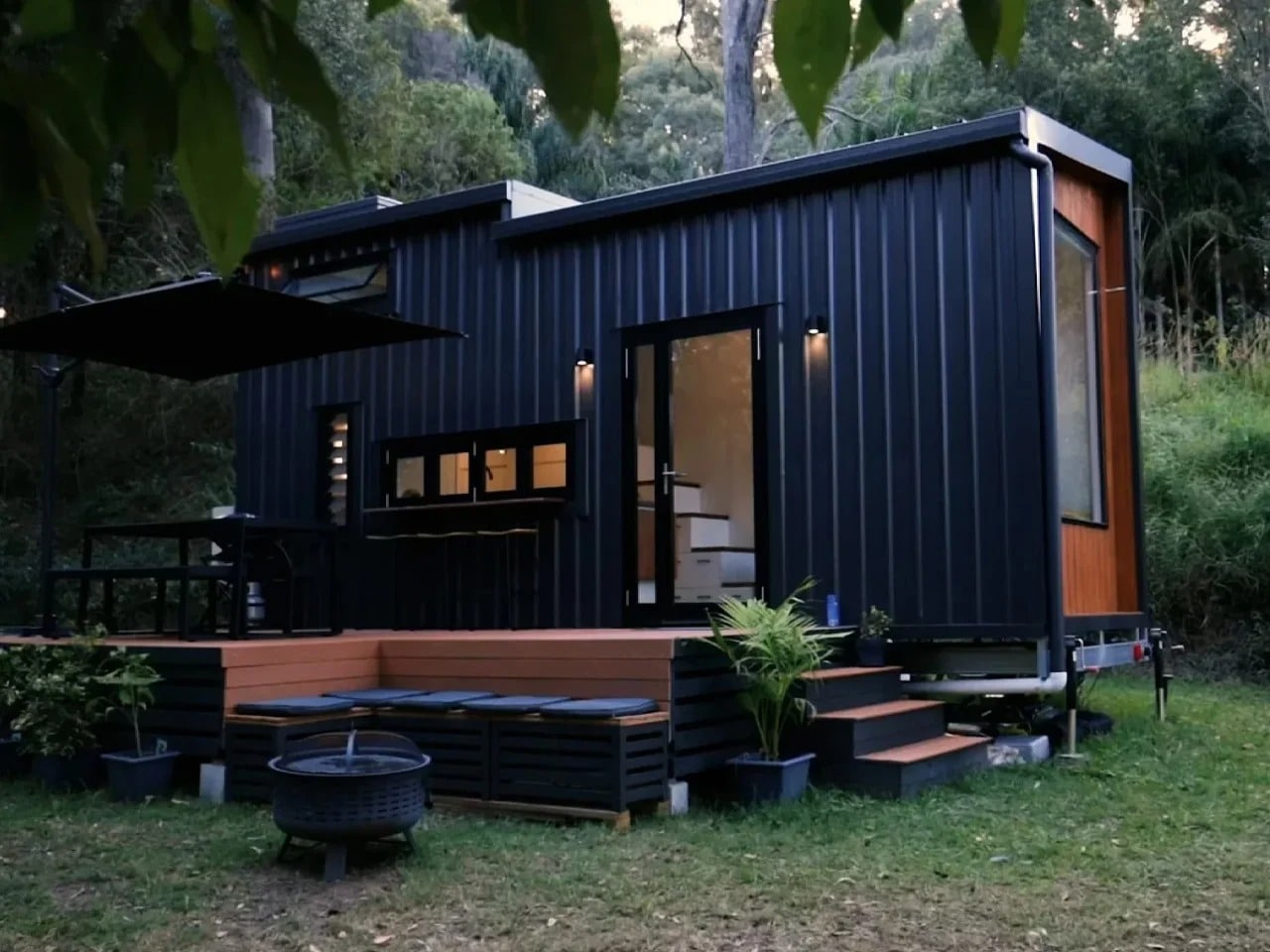
The idea behind some tiny homes is based on redefining the sense of space, where smallness is not measured only by dimensions, but by the way interior elements are organized. Within this context, the Currumbin model by Removed Tiny Homes is presented as a case study that reflects this direction, where the design is associated with the idea of “liberating” space rather than merely shrinking it.
Physical Characteristics and Overall Size
The home is mounted on a triple-axle trailer, with dimensions of 7.2 meters in length, 2.4 meters in width, and 4.3 meters in height, offering approximately 25 square meters of living space. Despite its transportable nature, the visual mass of the structure gives it a presence larger than its actual size, resulting from a balanced proportion and overall composition, which is a key aspect in contemporary Architecture.
Interior Organization and Functional Use
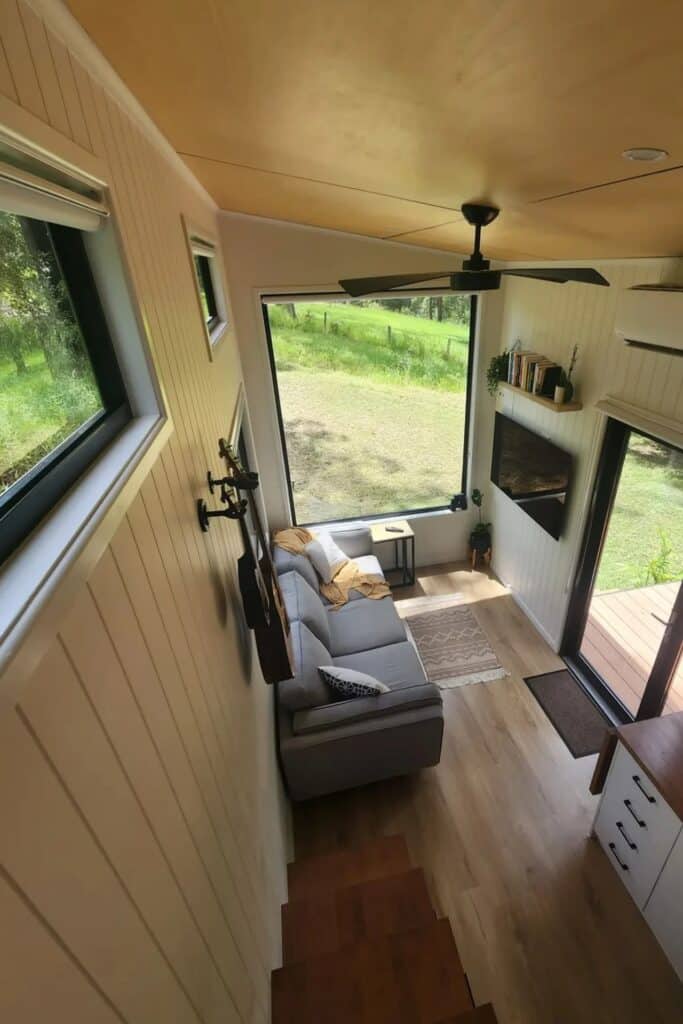
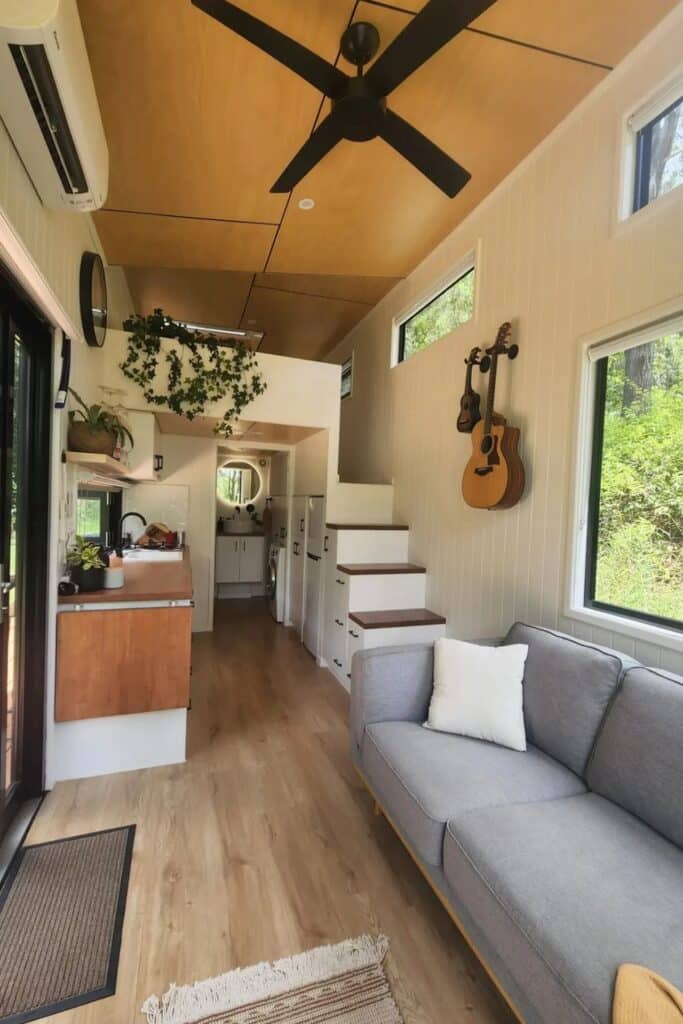
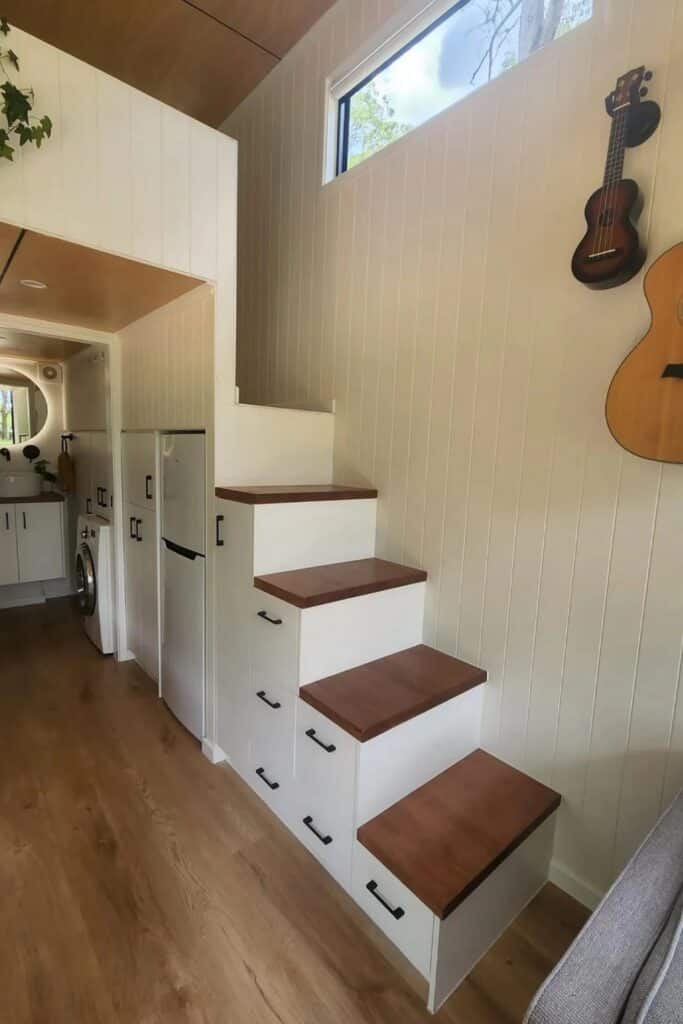
The internal layout focuses on the needs of individuals and couples seeking to reduce their living space. The bedroom is located on an upper level above the living area, with a standing-height walkway and staircase that enhances daily usability. A skylight also allows natural light to enter the sleeping area, improving both lighting quality and visual ventilation. In addition, the Interior Design offers two interior configurations that direct the distribution of spaces according to different lifestyle patterns rather than imposing a fixed layout.
Floor Space Distribution on the Ground Level
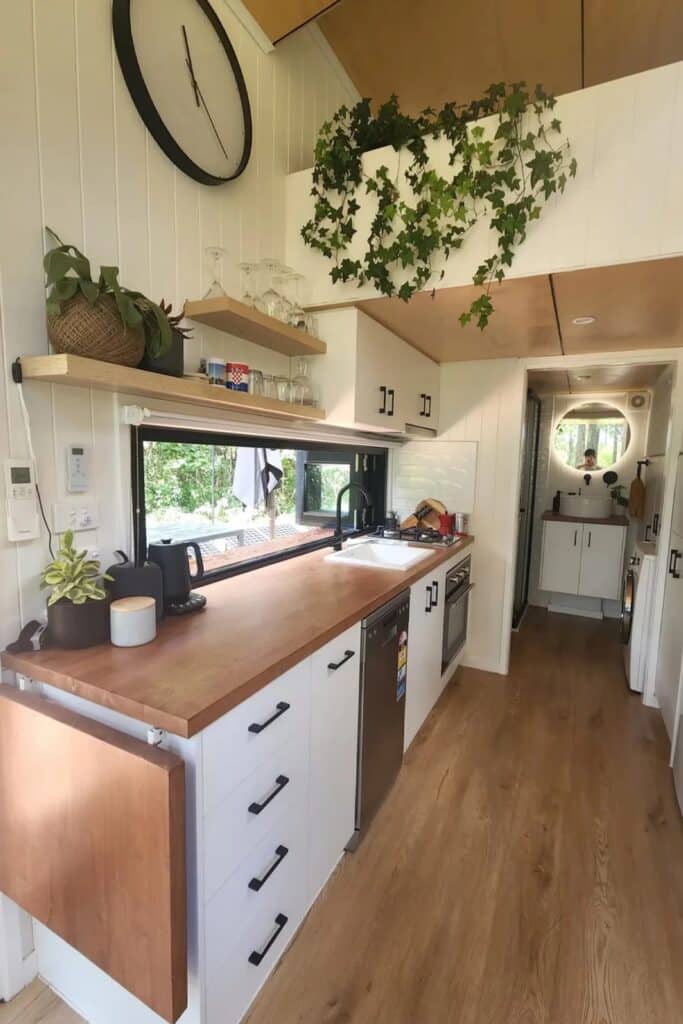
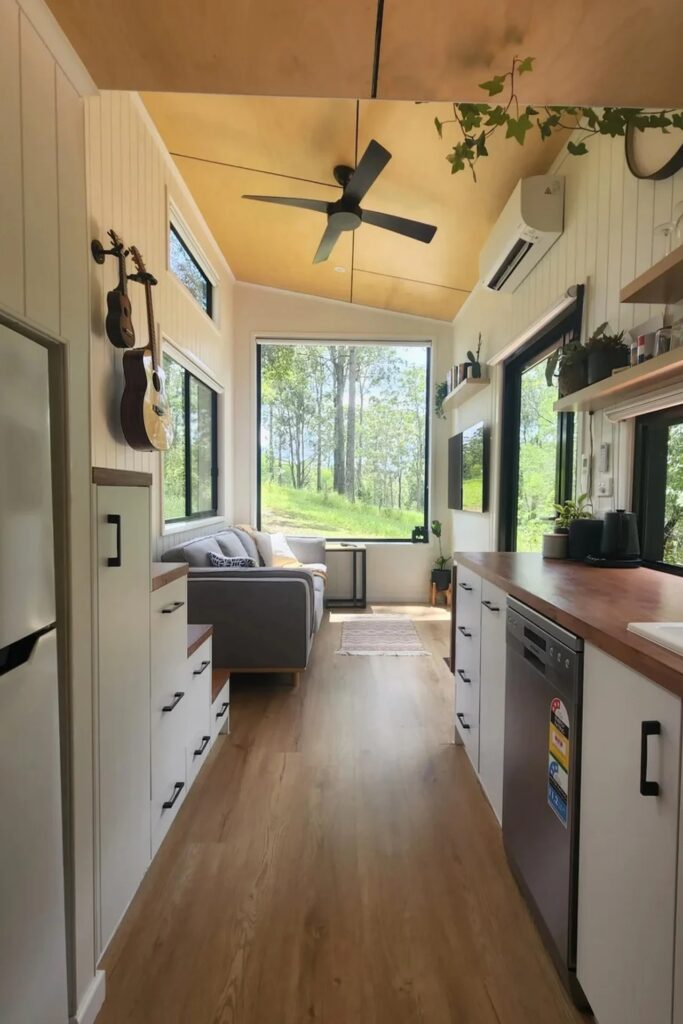
On the ground floor, the kitchen dominates the spatial organization as the central element of the interior scene. A large window opens up the visual field toward the outdoors, enhancing the connection between the interior and the surrounding environment without creating a harsh visual separation, while maintaining clear functional zoning within the space. Similar approaches can be seen in various Projects that prioritize openness.
Material Treatment and Color Language
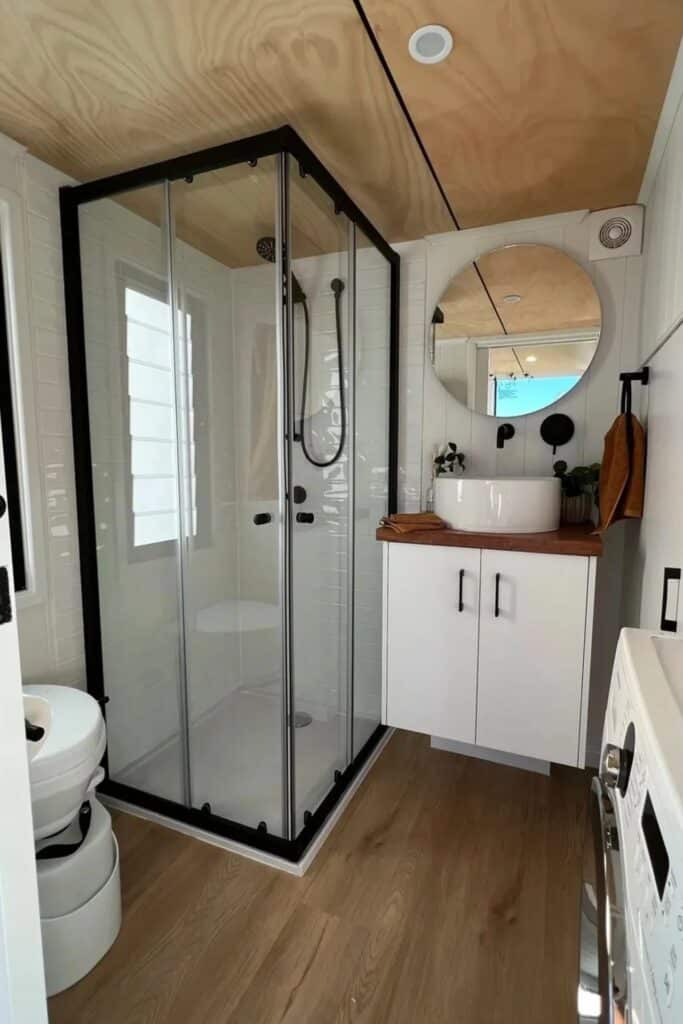
The interior design relies on customizable VJ wall panels offered in multiple color tones, along with vinyl flooring that mimics the texture of wood. The walls and ceiling are finished in white, contrasted by black-framed windows, creating a clear visual contrast within a calm and straightforward color composition that supports everyday use without complexity. The choice of Building Materials plays a crucial role in achieving this aesthetic and functional balance.
Natural Lighting and Interior–Exterior Integration
Large, strategically positioned windows allow abundant natural light to enter the interior space, creating a balance between warmth and visual clarity. This handling of light becomes a key response to spatial limitations, where the relationship between inside and outside becomes part of the home’s performance. The model is classified under the Classic range by Removed Tiny Homes, reflecting a clear emphasis on organizing space in a way that reduces visual clutter and enhances functional clarity, including storage details and the placement of architectural openings. For more detailed specifications, you can refer to the Material Datasheets available online.
Model Evolution and Spatial Reconfiguration
The success of the Currumbin model led to the development of a later version known as Currumbin 9.6, measuring 31.4 feet in length. This iteration introduces a clear reorganization of the functional program, where the bedroom is relocated to the ground floor with a full walkthrough en-suite bathroom, designed to accommodate users who prefer to completely eliminate the upper level. This evolution reflects ongoing Research into compact living solutions.
Comparison Between the Two Versions
Despite this evolution, the original 7.2-meter version remains the most balanced in terms of concept. It combines transportability on one hand with a sufficient level of living functionality on the other, making it closer to a middle ground between density and flexibility in use. Many Buildings in the tiny home sector face similar trade-offs between mobility and livability.

✦ ArchUp Editorial Insight
The Currumbin model by Removed Tiny Homes functions as an operational response to the pressures of housing affordability and the regulatory constraints imposed on land use in Australian coastal regions, where zoning regulations and the shrinking availability of buildable land are reshaping residential patterns. The primary driver here is not a design decision but a logic of capital efficiency within a market that treats housing units as movable assets in a land-scarce environment. These challenges are frequently discussed in Discussion forums on housing policy.
Friction appears in trailer load limitations, insurance liabilities associated with movable dwellings, and the pressure to reduce manufacturing costs, all of which result in a standardized living space of approximately 25 square meters. The upper sleeping level is not a formal design preference but a direct outcome of these constraints. Keeping track of such developments is essential for staying updated with Architectural News.
The final configuration represents a compromise between trends toward reduced individual living space and the logic of modular production, while also reproducing a recurring pattern in the tiny home sector due to the rigidity of financing models. This reflects a systematic reading of architecture as an extension of an economic compliance system rather than a purely aesthetic practice. For a broader perspective on urban evolution, see related articles on Cities and their changing housing landscapes.