French Theatre Redevelopment Creates Versatile Cultural Hub in Paris

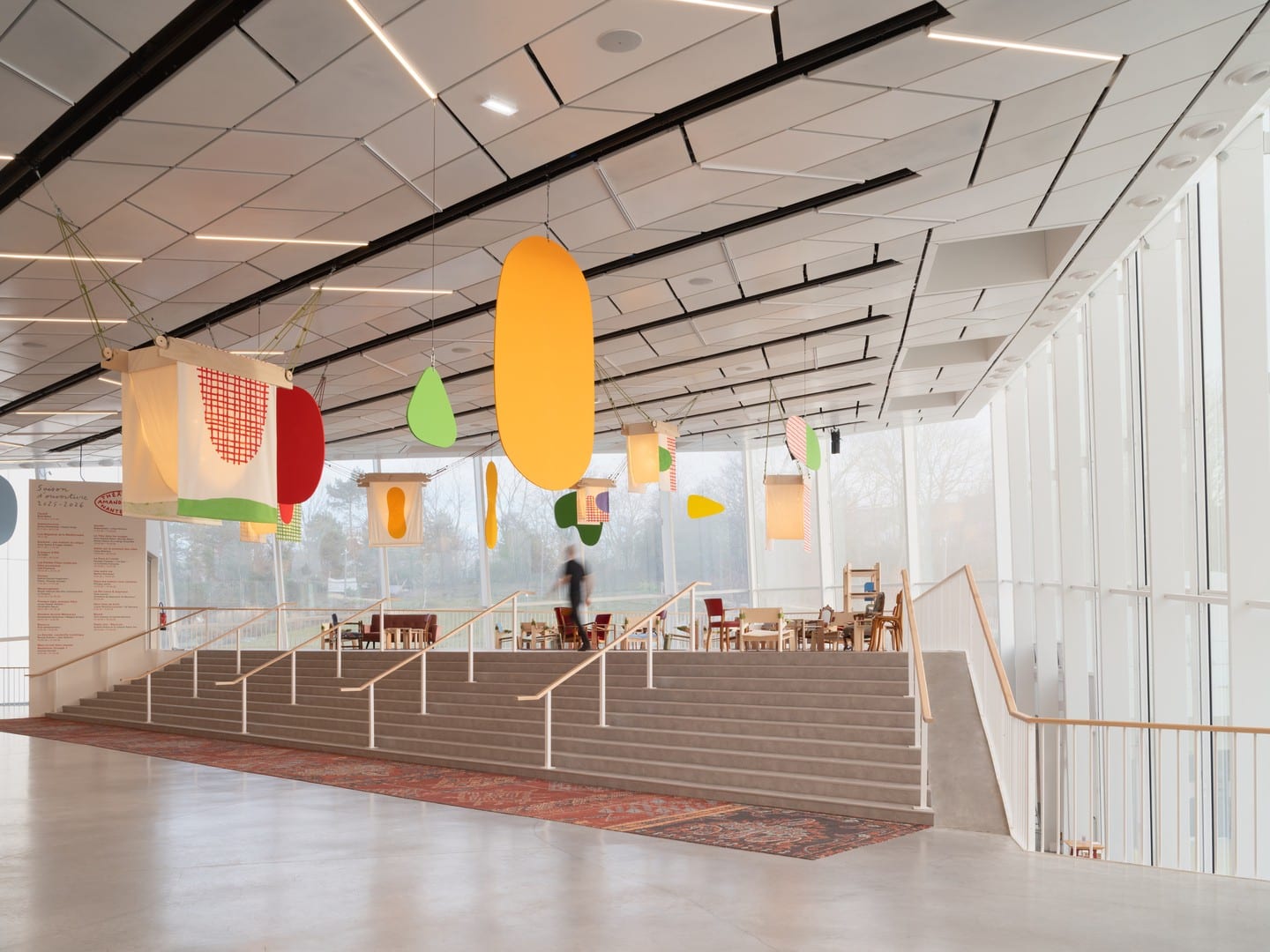
A major redevelopment project has transformed the CDN Amandiers theatre into a fluid, multipurpose venue that bridges the gap between cultural institution and urban park. The architecture project prioritizes accessibility and adaptability for contemporary performance needs.
Reimagining Theatre Spaces for Modern Use
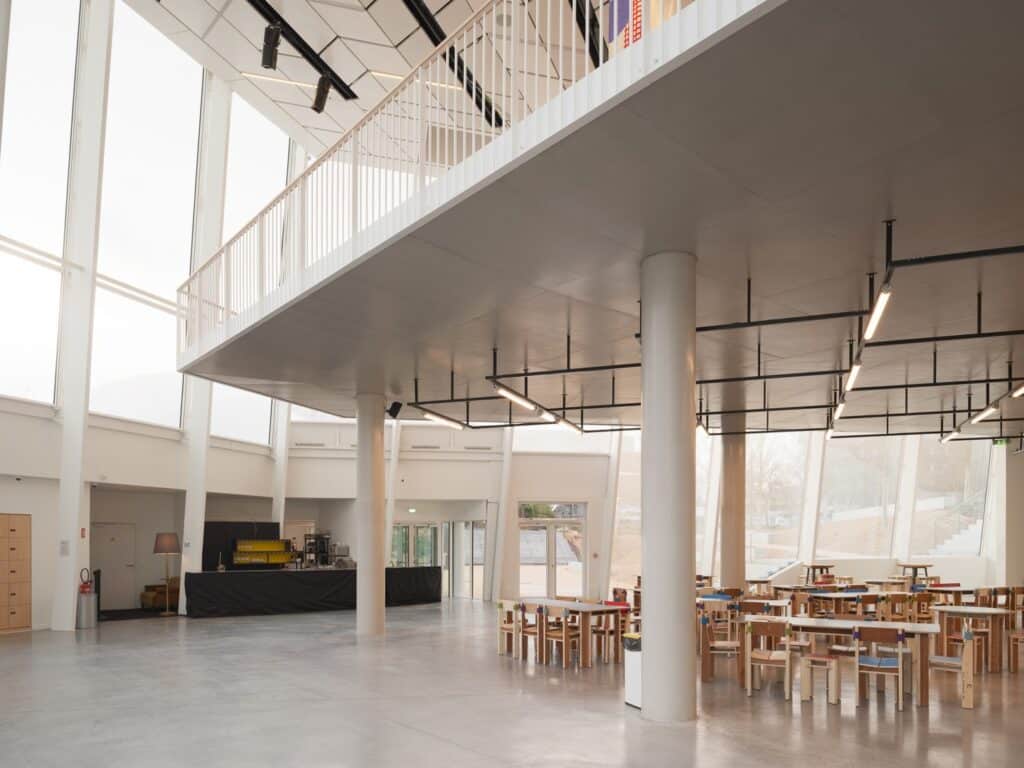
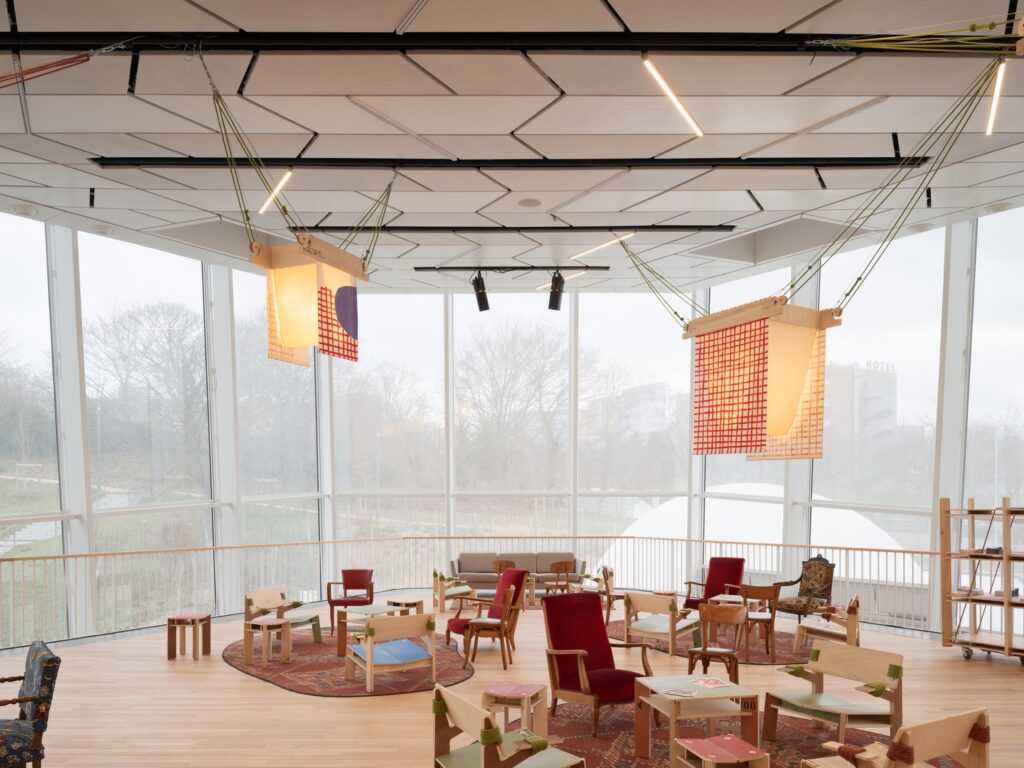
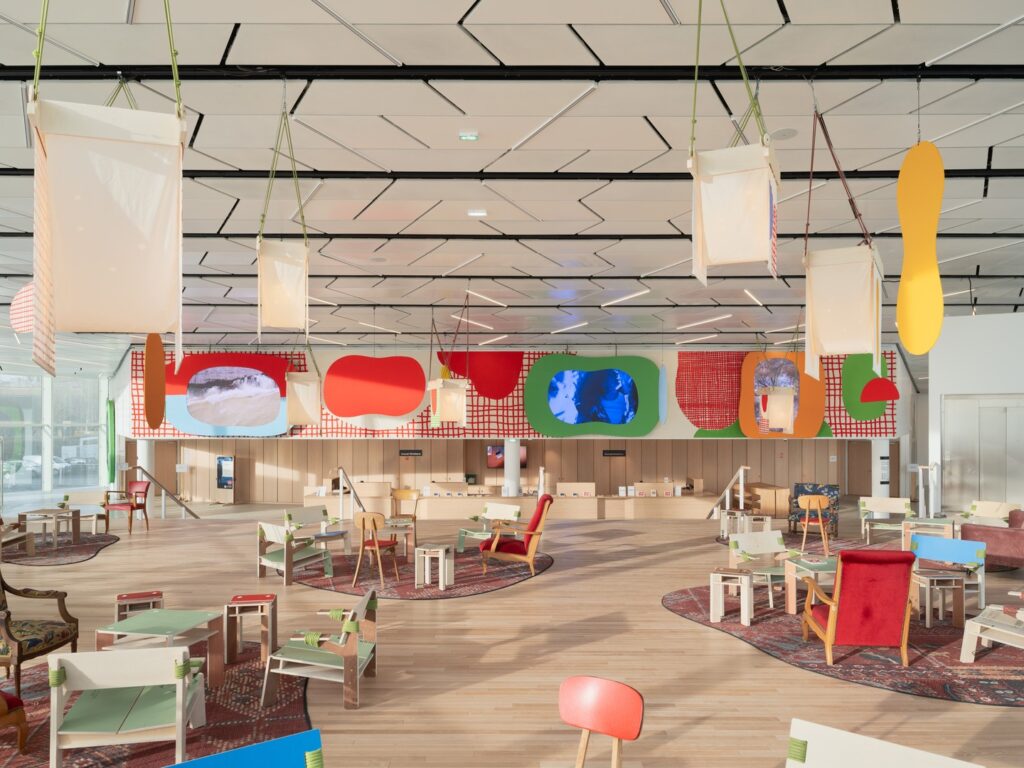
The redesigned theatre centers around a reimagined Grand Hall that functions as both circulation space and creative hub. This vibrant central area encourages encounters between artists and audiences while facilitating movement throughout the venue. The interior design strategy transforms traditional theatre layouts into flexible zones that accommodate diverse artistic programs.
Meanwhile, the Main Hall received comprehensive modernization to enhance visitor comfort and sightlines. The updated relationship between stage and audience creates improved visibility throughout the auditorium. These construction upgrades address functional limitations while preserving the theatre’s cultural significance within the community.
Flexible Performance Venues Expand Artistic Possibilities
Two additional performance spaces complement the main auditorium and central hall. A flexible performance hall offers adaptability for various event types and audience sizes. Moreover, a smaller theatre provides intimate settings for experimental works and emerging artists.
The combination of four distinct spaces creates opportunities for simultaneous programming and diverse artistic expressions. This multiplicity of venues allows the institution to serve broader community needs while supporting different performance formats. The buildings now accommodate everything from large scale productions to workshop activities.
Connecting Cultural Infrastructure to Urban Contexts
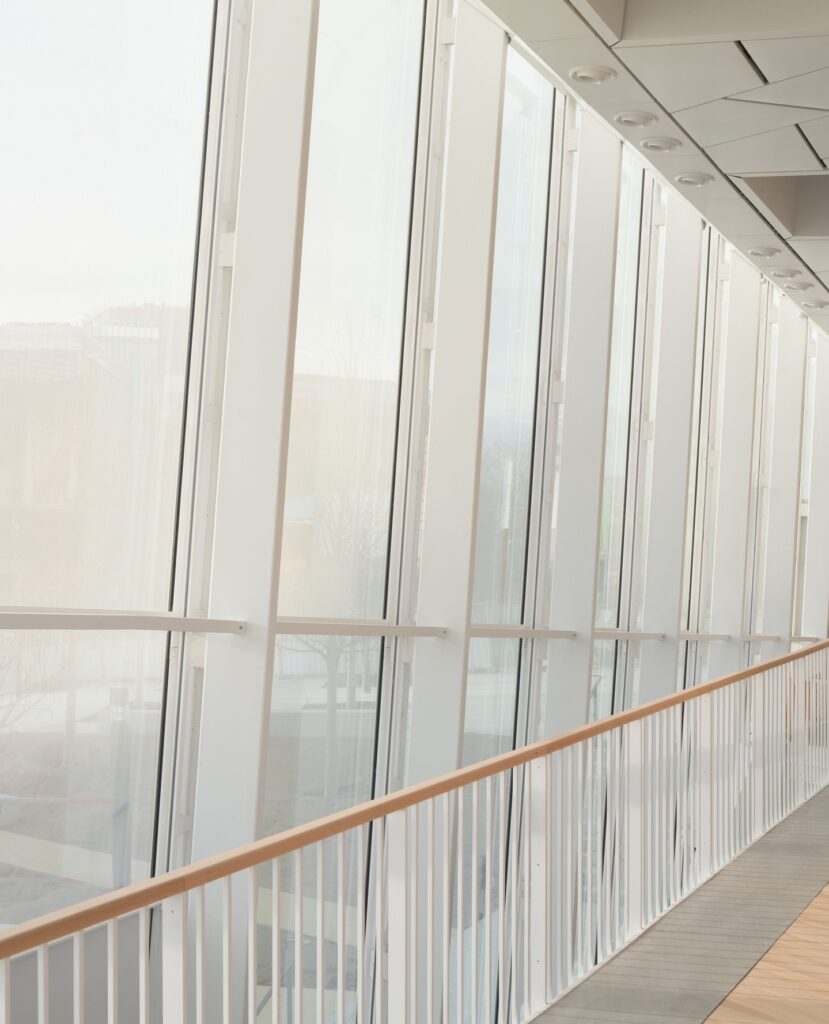
The project emphasizes connections between the theatre and surrounding cities infrastructure, particularly the adjacent park. Large openings and transparent building materials dissolve traditional boundaries between interior and exterior spaces. This design approach creates visual continuity with the neighborhood.
Furthermore, accessibility improvements ensure the venue welcomes diverse populations. The architecture responds to contemporary expectations for cultural institutions to function as inclusive public spaces rather than exclusive destinations. This shift reflects broader trends in urban planning that prioritize community engagement.
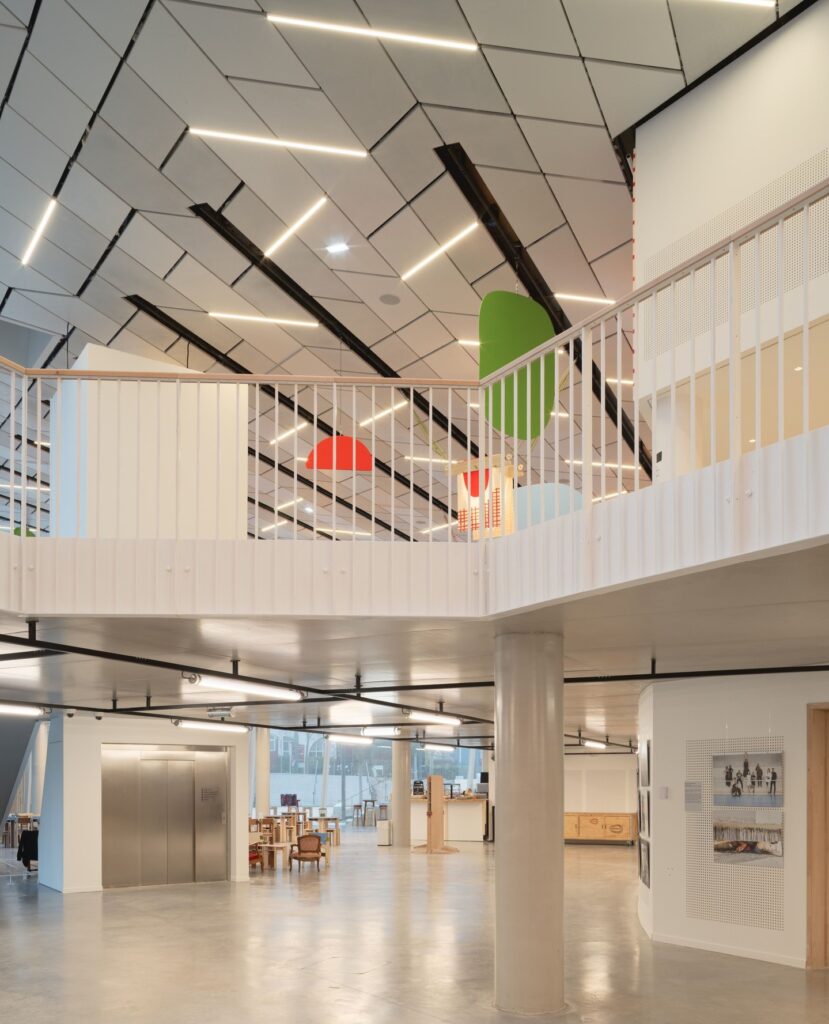
The redevelopment addresses sustainability through updated building systems and environmental design strategies. These technical upgrades reduce operational impacts while improving performance conditions for artists and audiences alike.
A Quick Architectural Snapshot
The CDN Amandiers redevelopment delivers four interconnected performance spaces within a single cultural complex. The project balances modernization with accessibility, creating a welcoming venue oriented toward future artistic practices. This news demonstrates how theatre architecture can adapt to evolving community needs while maintaining cultural relevance.
✦ ArchUp Editorial Insight
The CDN Amandiers redevelopment reflects a broader shift in how cultural institutions justify public investment. Traditional theatres operated as single purpose venues with clear hierarchies between performers and audiences. However, declining attendance and increased competition from digital entertainment have forced institutions to reconsider their spatial strategies.
The multiplication of flexible spaces serves economic necessity rather than artistic vision. Four adaptable venues generate more revenue streams than one fixed auditorium. Meanwhile, the emphasis on park connectivity and transparency responds to political pressure for cultural buildings to demonstrate public accessibility.
The project also addresses operational costs through updated building systems that reduce long term maintenance burdens. These practical considerations drive design decisions more than aesthetic ambitions.
This project is the logical outcome of shrinking cultural budgets plus audience fragmentation plus municipal demands for multipurpose public assets.