Christchurch Unveils 37,000-Seat Stadium with Transparent ETFE Roof

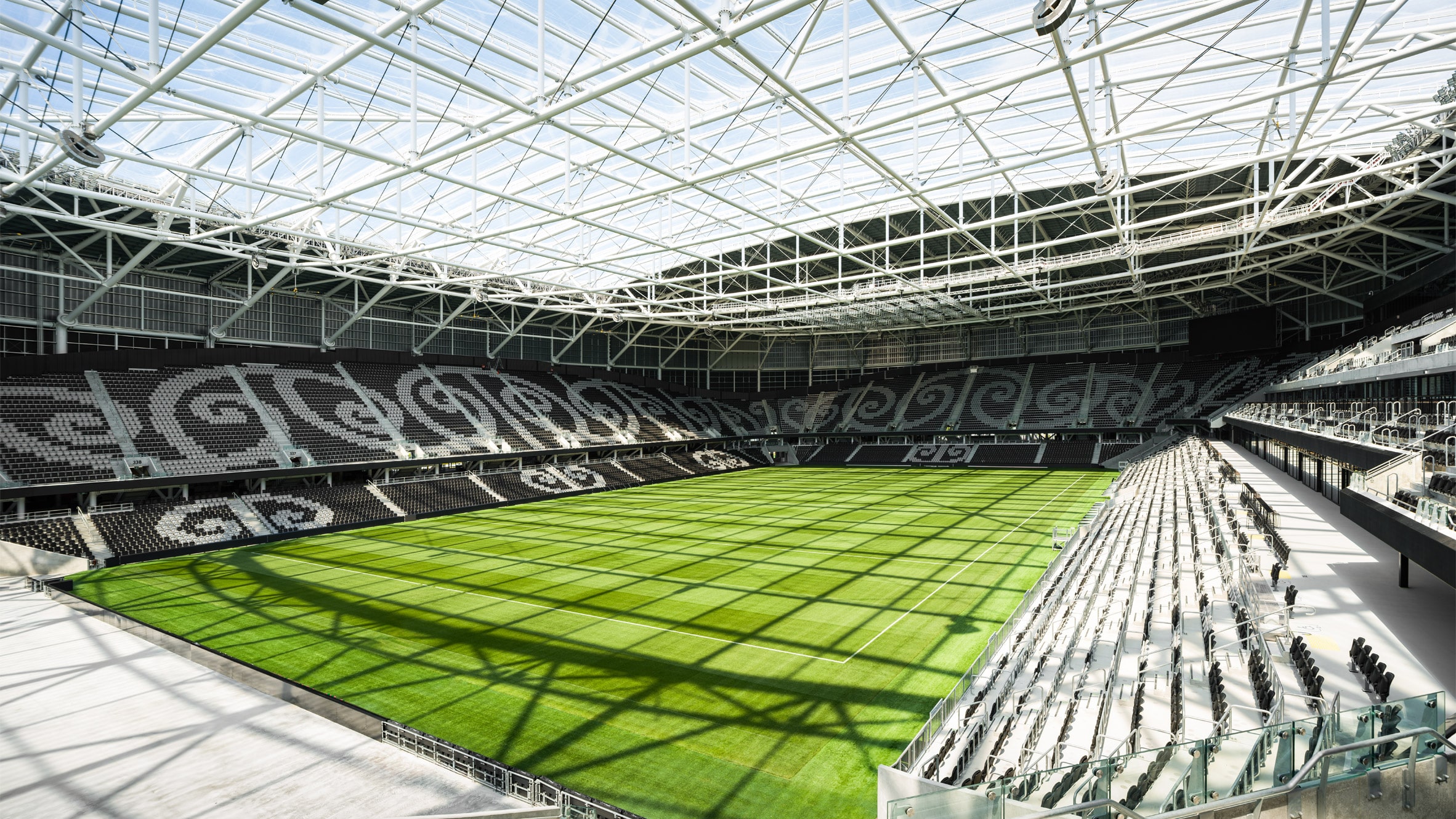
Christchurch has completed One New Zealand Stadium at Te Kaha, marking the final anchor project in the city’s decade-long rebuild following the devastating 2011 earthquake. The multi-use venue replaces Lancaster Park Stadium, which was demolished in 2019 after sustaining irreparable damage.
Earthquake Recovery Drives Stadium Construction
The 2011 Christchurch earthquake and subsequent aftershocks destroyed numerous buildings and claimed 185 lives. Lancaster Park Stadium became one of many casualties requiring demolition. Therefore, Christchurch City Council commissioned its largest construction project to date. The new facility accommodates over 37,000 people for concerts and sporting events.
Transparent Roof Protects Natural Turf Field
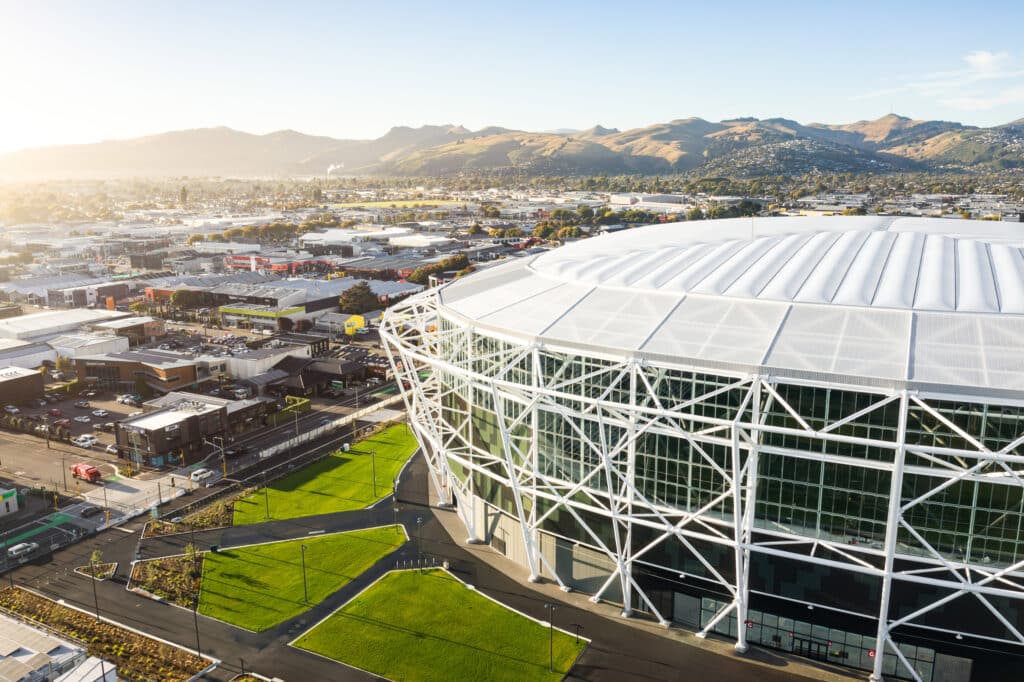
The stadium features a fixed roof constructed from ethylene tetrafluoroethylene, commonly known as ETFE. This plastic polymer serves as an alternative to traditional building materials like glass. Moreover, the transparent covering allows calibrated natural light to sustain the living grass field below. The lightweight structure creates a weather-protected environment while maintaining brightness throughout the venue. The architecture prioritizes both functionality and atmospheric quality for varied events.
Cultural Elements Shape Design Details
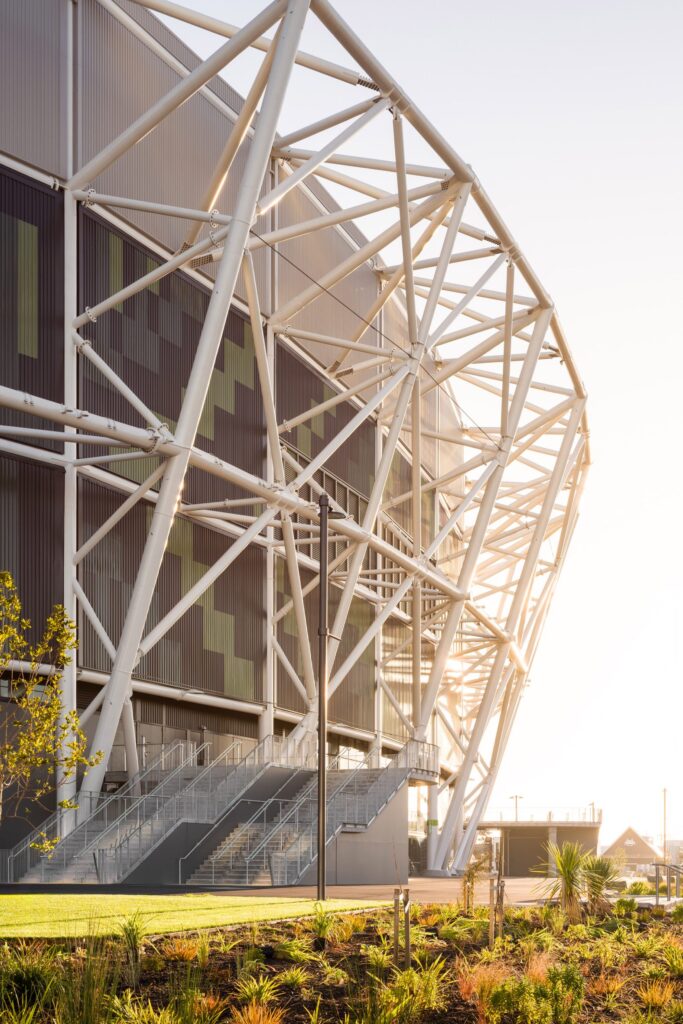
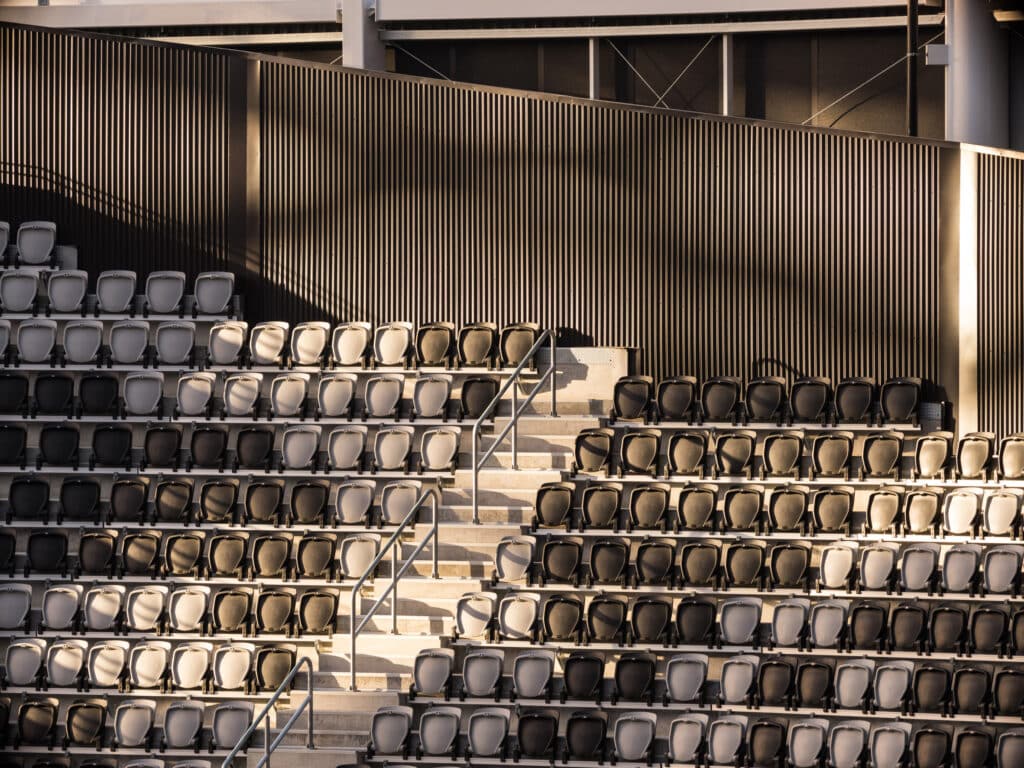
The exterior showcases a patterned steel facade referencing the surrounding landscape. Meanwhile, bowl seating incorporates a custom Māori kowhaiwhai pattern inspired by the hammerhead shark. This motif represents strength and tenacity, qualities reflecting the community’s recovery journey. The design team integrated these cultural references to establish connections between the venue and local identity. However, the project maintains contemporary interior design standards throughout spectator areas.
Stadium Serves Multiple Community Functions
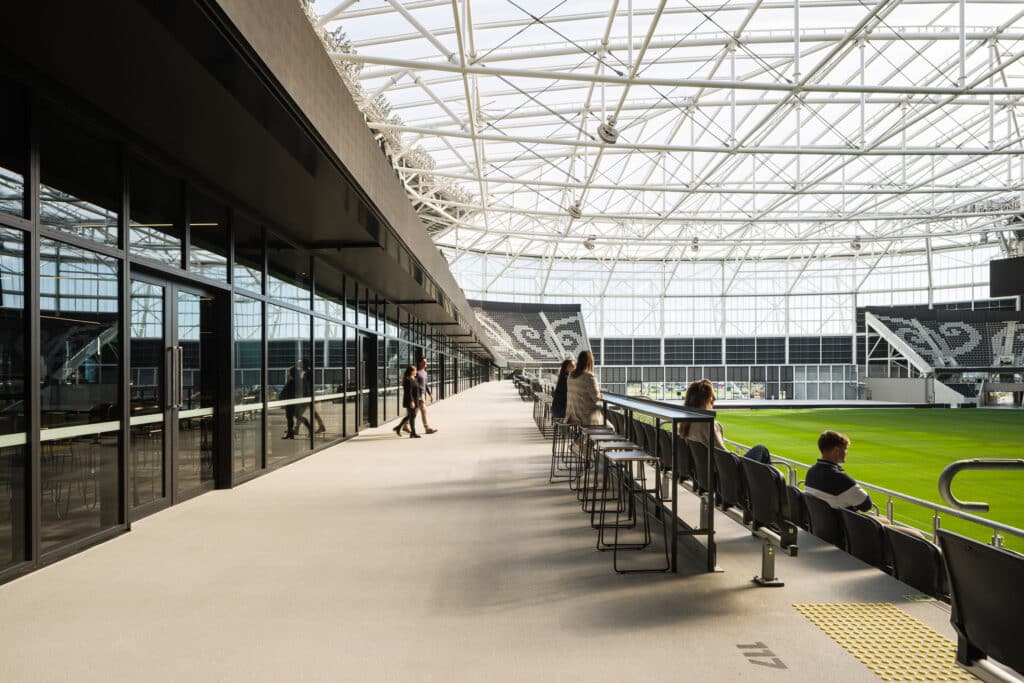
The venue supports both sporting competitions and musical performances. This flexibility addresses urban planning needs for growing cities requiring multi-purpose infrastructure. The facility stands as physical evidence of regional resilience following natural disaster. Community gathering spaces within the complex reinforce social connections beyond scheduled events. The project demonstrates how major construction initiatives can symbolize renewal while serving practical purposes.
A Quick Architectural Snapshot
One New Zealand Stadium at Te Kaha replaces earthquake-damaged infrastructure with contemporary design. The transparent ETFE roof protects 37,000 seats while supporting natural turf below. Cultural patterns honor Māori heritage throughout seating areas. The project completes Christchurch’s post-earthquake rebuilding program.
✦ ArchUp Editorial Insight
Stadium replacement projects following natural disasters reveal predictable municipal decision patterns. Christchurch waited eight years after Lancaster Park’s demolition to complete this facility. The delay reflects funding complexities, insurance negotiations, and shifting political priorities common to post-disaster urban recovery. Multi-use venue design responds directly to economic pressures on mid-sized cities. Single-purpose stadiums no longer justify construction costs without guaranteed revenue streams from concerts, corporate events, and community functions. The ETFE roof selection addresses operational budgets rather than aesthetic ambitions. Maintaining natural turf eliminates ongoing replacement expenses while fixed roofing guarantees year-round booking potential regardless of weather conditions. Cultural pattern integration in public infrastructure has become standard practice in New Zealand following Treaty of Waitangi settlement obligations. This project is the logical outcome of disaster insurance economics plus municipal debt capacity plus mandated cultural consultation requirements.