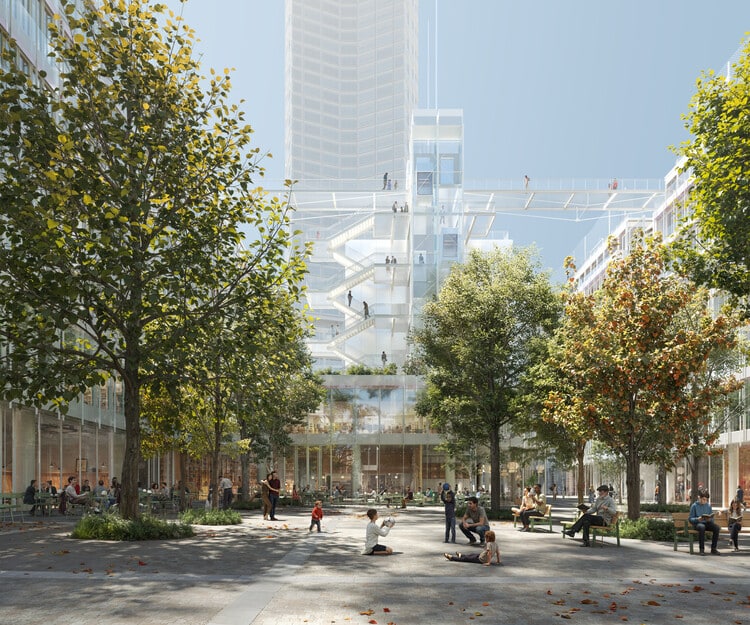
Compacted-Earth Goethe-Institut Opens in Dakar as Cultural Hub

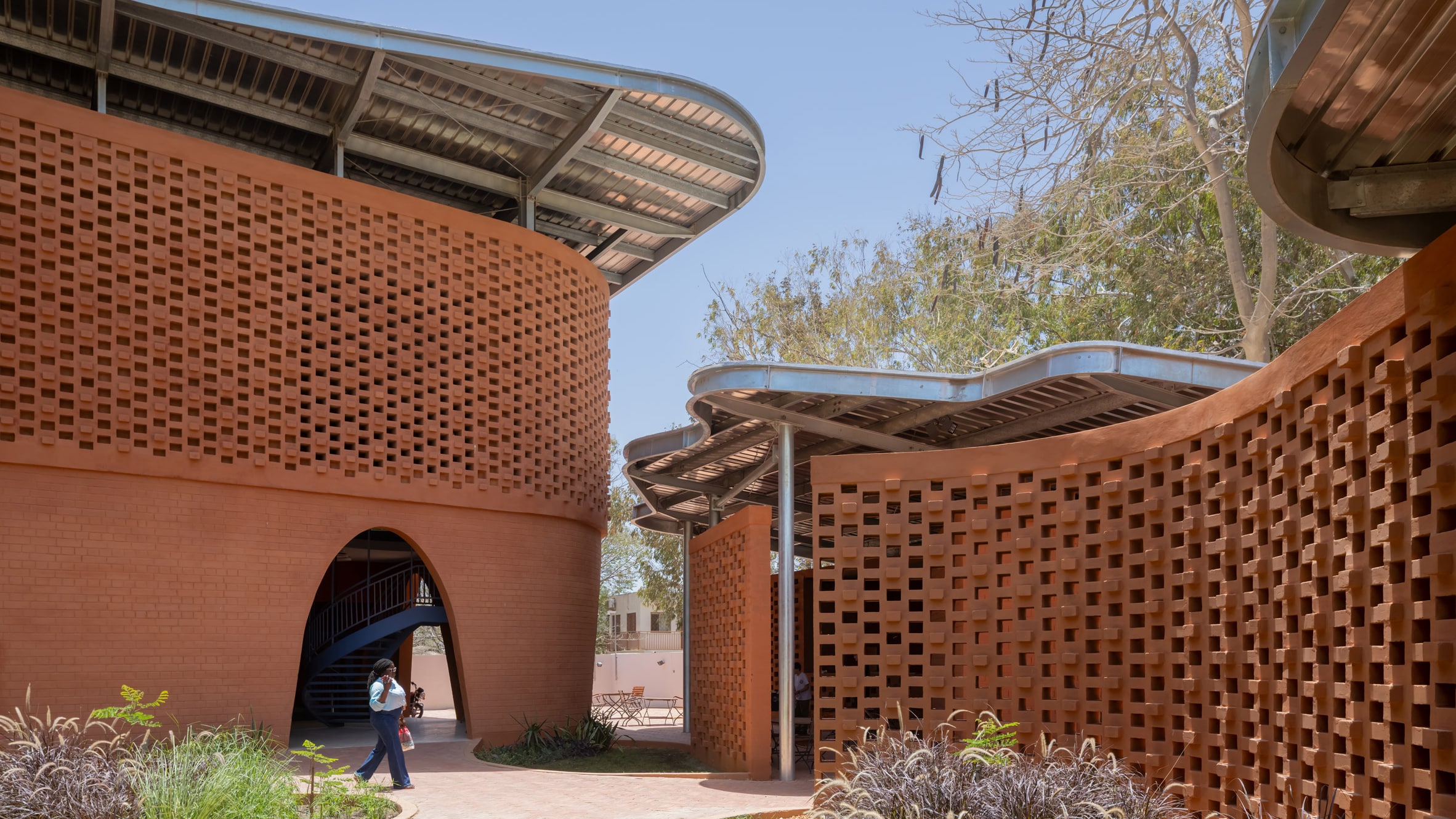
The Goethe-Institut has opened its first purpose-built headquarters in Dakar, Senegal. The project introduces a compacted-earth cultural center beside the Musée Léopold Sédar Senghore. The two-storey building aims to support learning, public events, and exchange in one of West Africa’s key cultural cities.
A Cultural Landmark Rooted in Place
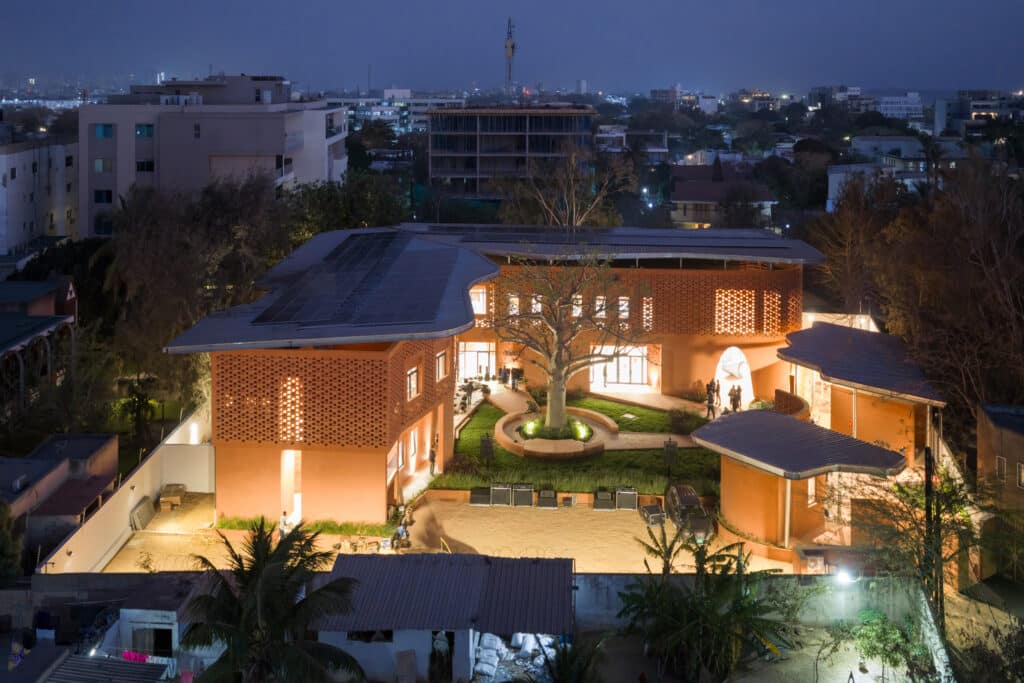
The new institute stands next to a museum dedicated to Senegal’s former president, Léopold Sédar Senghor. Therefore, the project responds to a site already linked to cultural identity. The L-shaped main block references the tree canopies that once covered the land.
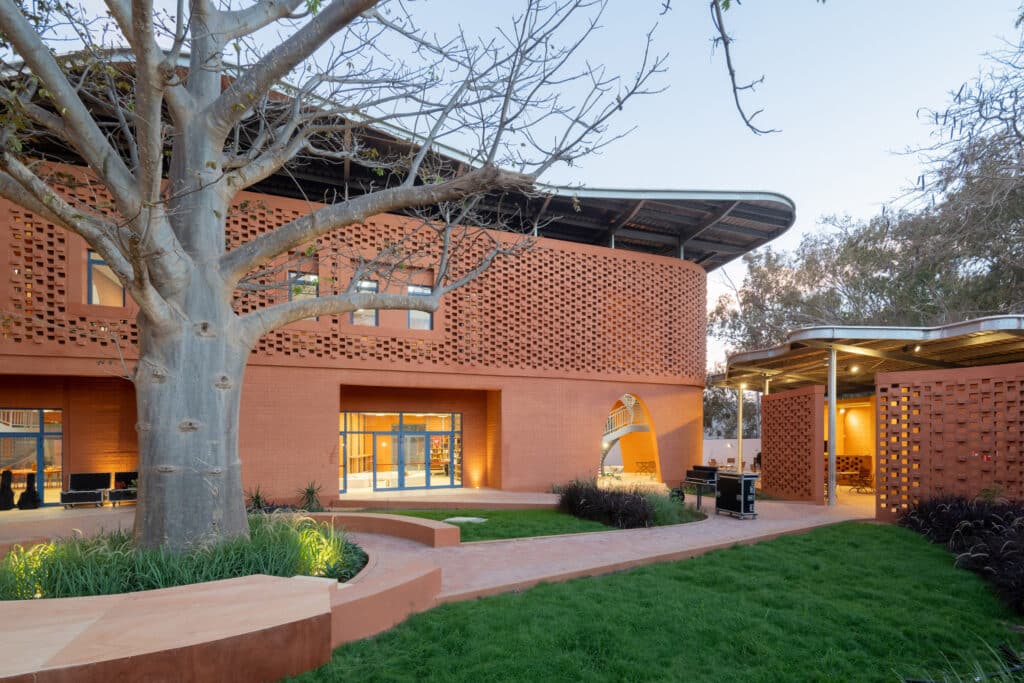
The building frames a garden courtyard while preserving an existing mature tree. Meanwhile, the design encourages gatherings under natural shade. This approach reflects broader themes in contemporary architecture that prioritize climate response and social interaction.
The institute serves as a venue for talks, exhibitions, concerts, and language courses. Consequently, the layout supports both structured learning and informal exchange.

Perforated Earth Blocks Define the Structure
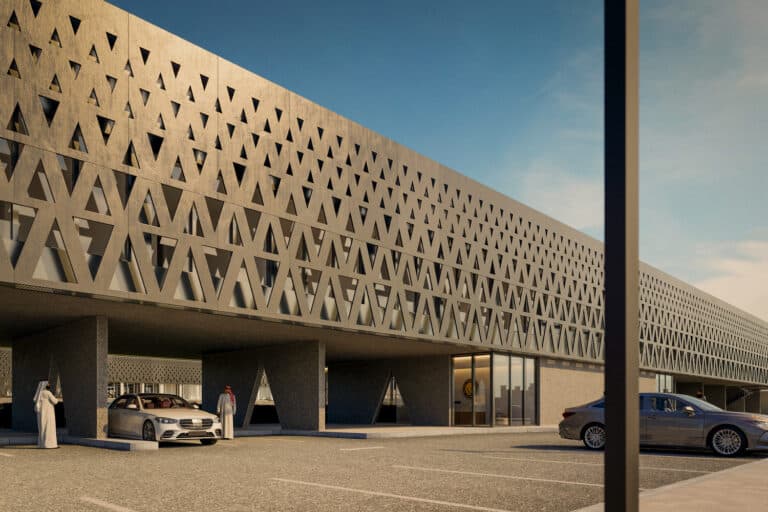
The project relies on locally sourced compacted-earth blocks for its load-bearing walls. These building materials reduce reliance on imported resources and respond to Dakar’s climate. Perforated brick screens wrap the upper floor, allowing filtered light and natural ventilation.
Large ground-floor openings connect the auditorium, cafeteria, and library to the courtyard. Arched passages lead visitors to upper-level classrooms and offices. Moreover, a rooftop terrace expands the usable space for events and gatherings.
A steel canopy shelters the terrace and echoes the form of tree branches. This feature strengthens the connection between built form and landscape. Such strategies reflect ongoing experimentation in low-carbon construction across African contexts.
Program Layout Encourages Openness
The main block houses an auditorium and teaching spaces. Meanwhile, two smaller structures complement the complex. One forms the entrance sequence, while the other contains a kitchen for outdoor events.
Perforated sections across the façades reinforce a sense of openness and airflow. This design reduces heat gain while maintaining privacy. As a result, the building supports passive cooling strategies aligned with current discussions on sustainability.
The project contributes to Dakar’s evolving network of cultural buildings. It also highlights how cultural institutions can shape public life within rapidly growing cities. The opening has already generated attention in regional and international news circles.
A Quick Architectural Snapshot
Project: Goethe-Institut Dakar
Location: Dakar, Senegal
Structure: Two-storey cultural center
Materials: Compacted-earth blocks and perforated brick screens
Program: Auditorium, classrooms, library, cafeteria, rooftop terrace
Focus: Climate-responsive design and cultural exchange
✦ ArchUp Editorial Insight
The development of the Goethe-Institut in Dakar reflects a shift in institutional procurement models within West Africa. The decision to utilize compacted-earth blocks is not a purely environmental choice; it is a response to the logistical and economic volatility of global supply chains. By sourcing materials locally, the project mitigates the rising costs of imported cement and steel while stabilizing the construction timeline. Furthermore, the emphasis on perforated envelopes and passive cooling is a direct reaction to the increasing operational expenses associated with energy consumption in tropical urban centers. The layout prioritizes public permeability, acknowledging that institutional relevance in expanding African cities now depends on social accessibility rather than monumental isolation. This project is the logical outcome of decentralized material sourcing + rising energy costs + a shift toward civic-centric institutional programming.