LIGHT ARCHITECTURE by Yiyun Kang

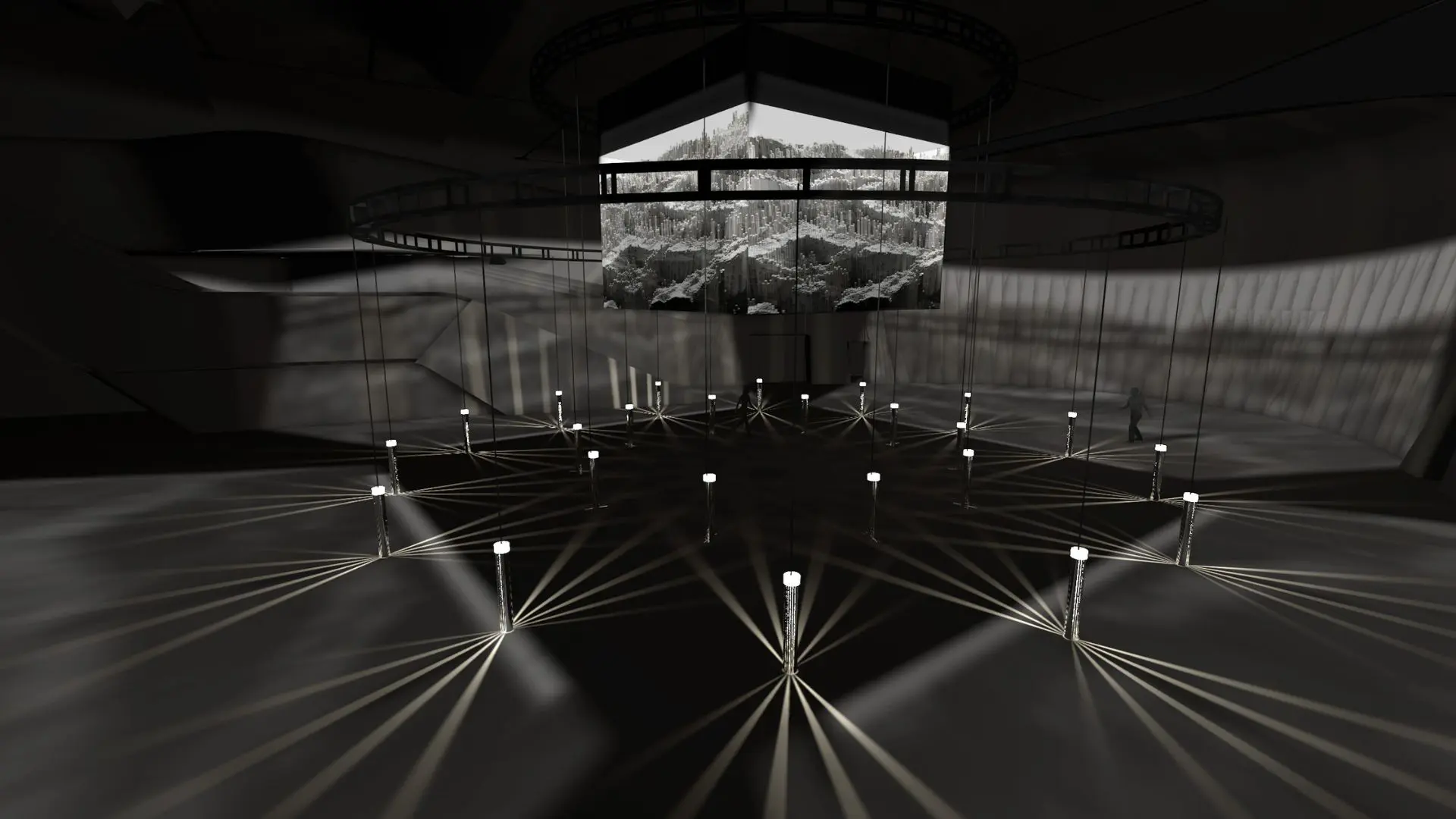
In an era where artificial intelligence shapes our lives, new media artist Yiyun Kang brings us an extraordinary visual exploration of AI’s inner workings through her latest exhibition, LIGHT ARCHITECTURE. This thought-provoking installation debuted at Seoul Design 2024, hosted by the Seoul Metropolitan Government and held at the iconic Dongdaemun Design Plaza (DDP). Spanning October 17–27, the exhibition invited visitors to contemplate the future of human-AI coevolution.
Conceptual Foundations
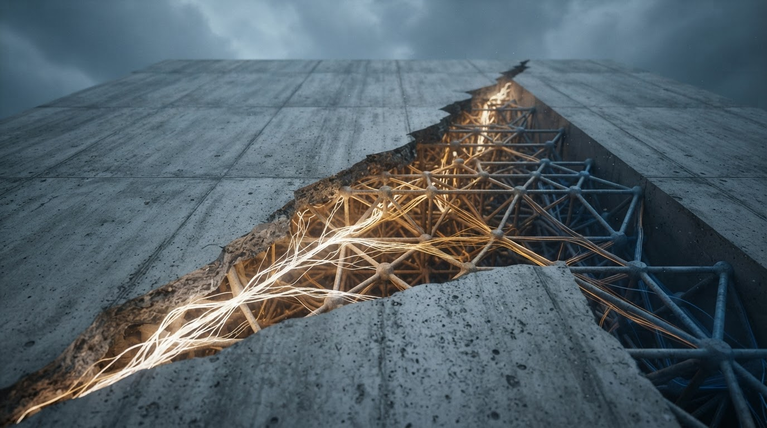
Yiyun Kang’s work investigates profound questions surrounding AI: Can humanity and AI coexist harmoniously, or does AI risk alienating human creativity and individuality? Her research-based approach seeks to demystify the enigmatic “black box” of AI, focusing on the architecture of neural networks and how they shape AI’s evolution.
The Exhibition Space
Housed in DDP’s Art Hall 2, a distinctive space with soaring white walls and no pillars, Kang’s installation transformed the entire hall into an immersive environment. The venue itself, with its innovative architecture by Zaha Hadid, amplified the exhibition’s thematic emphasis on progress and intelligence.
Neuron Kinetic Light Modules
At the heart of the installation were 24 Neuron Kinetic Light Modules, each crafted from aluminum and symbolizing AI neurons. These rotating modules radiated light, forming intricate patterns that mimicked the flow of data in neural networks. By extending from the floor to the ceiling, the installation conveyed AI’s boundless nature.
The experience was enhanced with 12 speakers playing ambient sounds derived from digital environments, such as keyboard clicks and data centers. This multi-sensory setup immersed visitors in a representation of AI as both a tool and a participant in our evolving world.


Symbolism and Message
Suspended overhead, a 6.8-ton transparent screen projected human figures dissolving into otherworldly forms, symbolizing the dehumanizing potential of a data-driven society. Kang emphasized the importance of retaining humanity’s role as creators and not mere data suppliers, warning against the alienation brought about by unchecked AI advancements.
AI and Creativity
While AI tools were utilized during the creative process, Kang emphasized the irreplaceable ingenuity of human creativity. Her work underscores the need for a collaborative, rather than a subordinate, relationship between humans and AI.
A Call for Reflection
Through LIGHT ARCHITECTURE, Yiyun Kang invites us to rethink the boundaries of technology and humanity, fostering dialogue about a future where AI and humans evolve together. The installation’s intricate design and immersive elements remind us of the delicate balance required to navigate this coevolution.
Finally, find out more on ArchUp: