Mandarin Oriental Costa Navarino: Topography and Spatial Design

Integration with Topography and Spatial Continuity
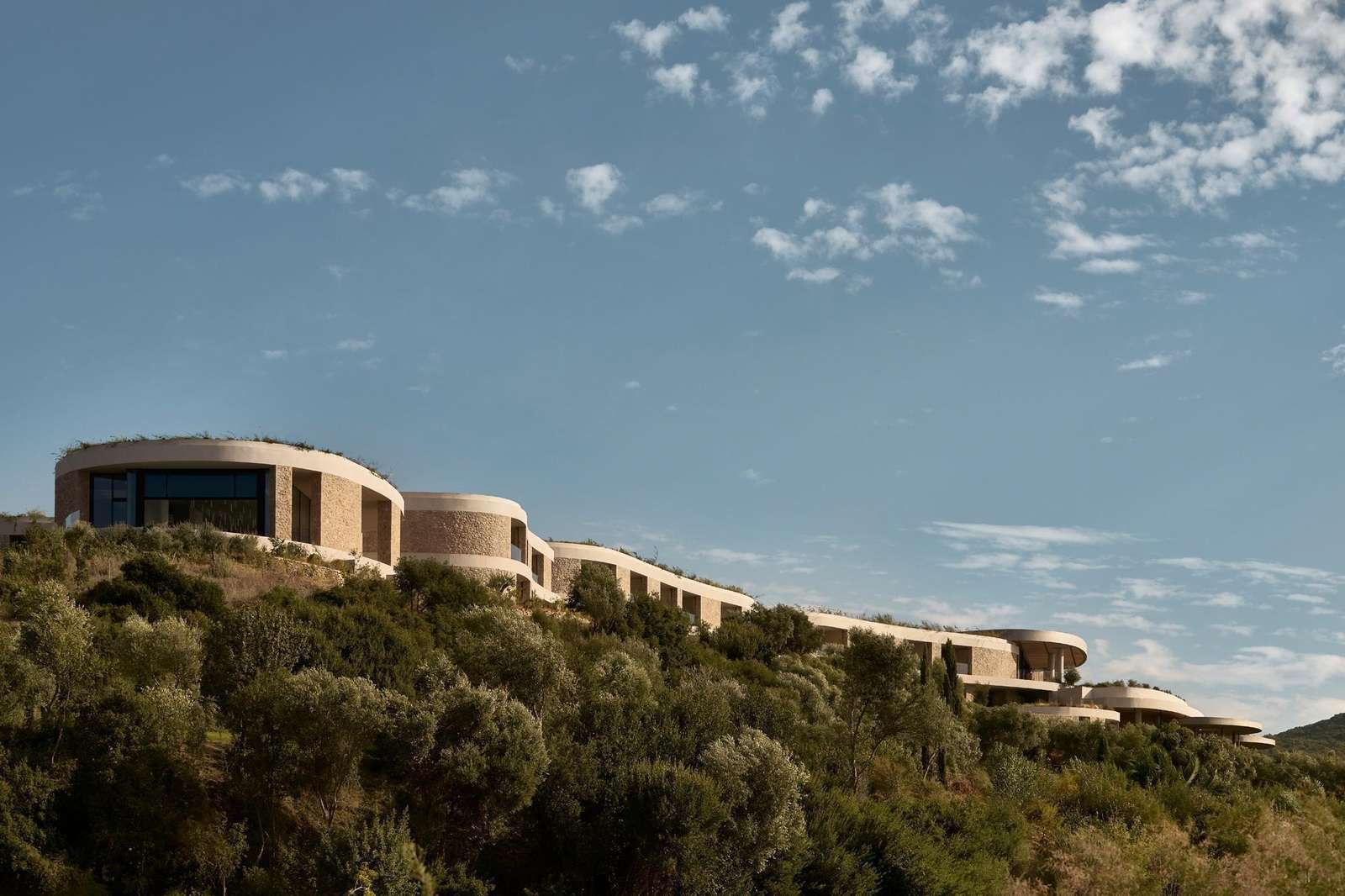
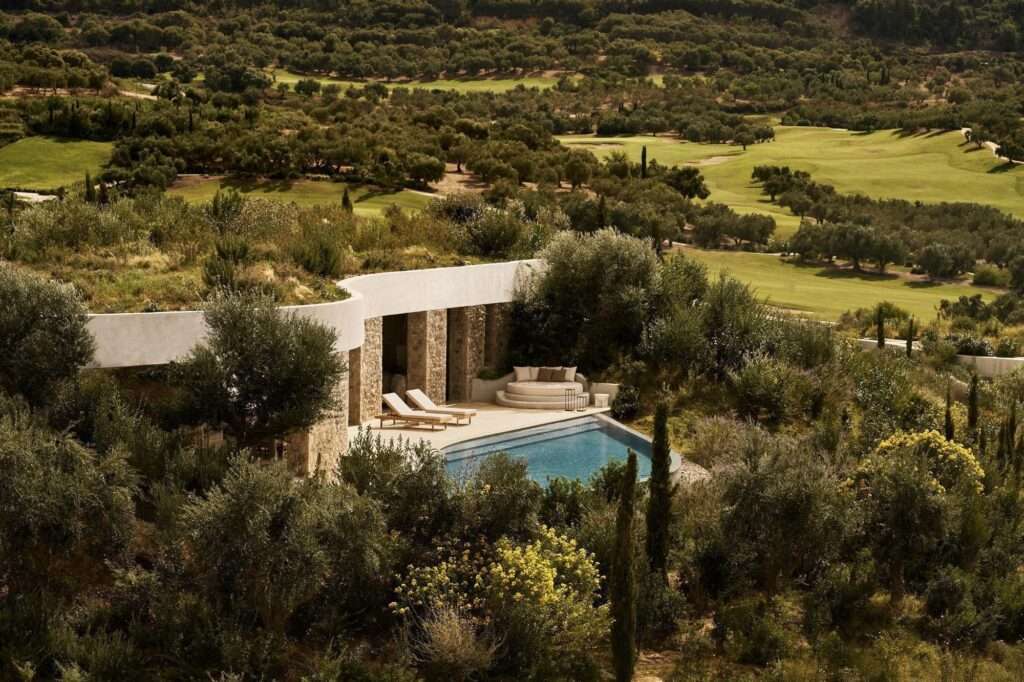
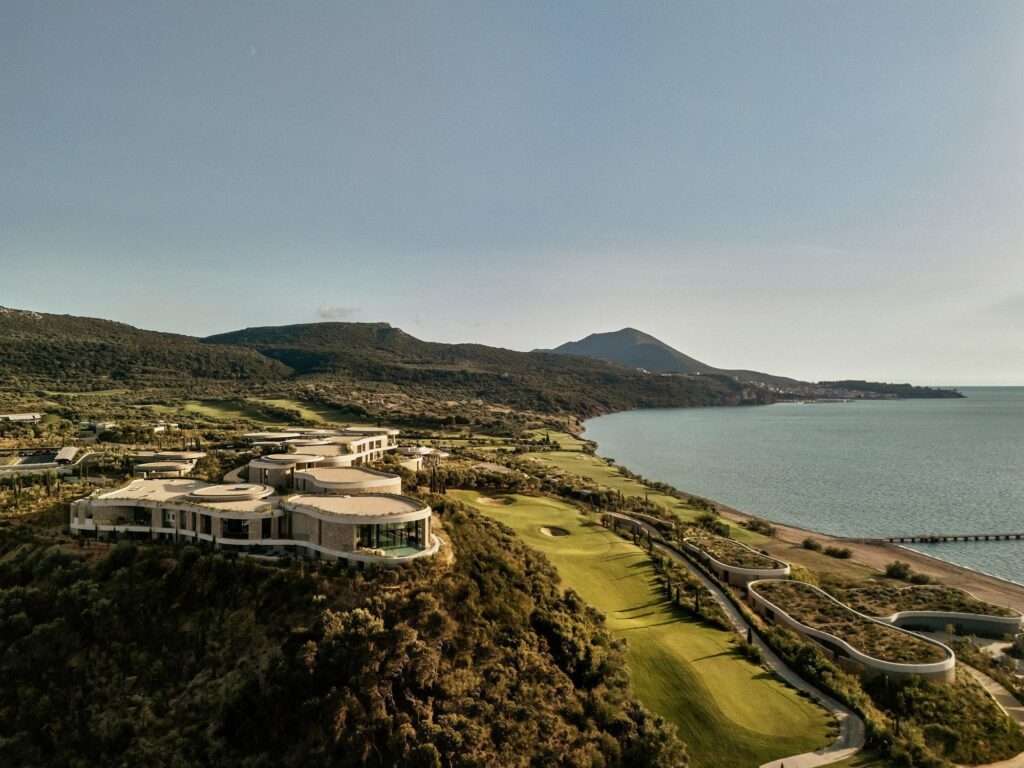
The design transcends the conventional concept of luxury hospitality resorts by adopting a decentralized master plan that dissolves into its natural context above Navarino Bay in the Peloponnese. Movement throughout the site unfolds as a gradual visual and spatial experience, where the project reinterprets the mandria, traditional stone shepherd shelters, transforming them from a pragmatic rural solution into an Architecture language that organizes the relationship between built space and terrain. Visitors experience a continuous interplay between moments of openness toward expansive horizons and the intimacy created by clustered volumes that precisely follow the natural contours of the landscape, fostering a sense of stability and an organic connection to the site’s historical and environmental context.
Material Scenography and the Experience of Passage
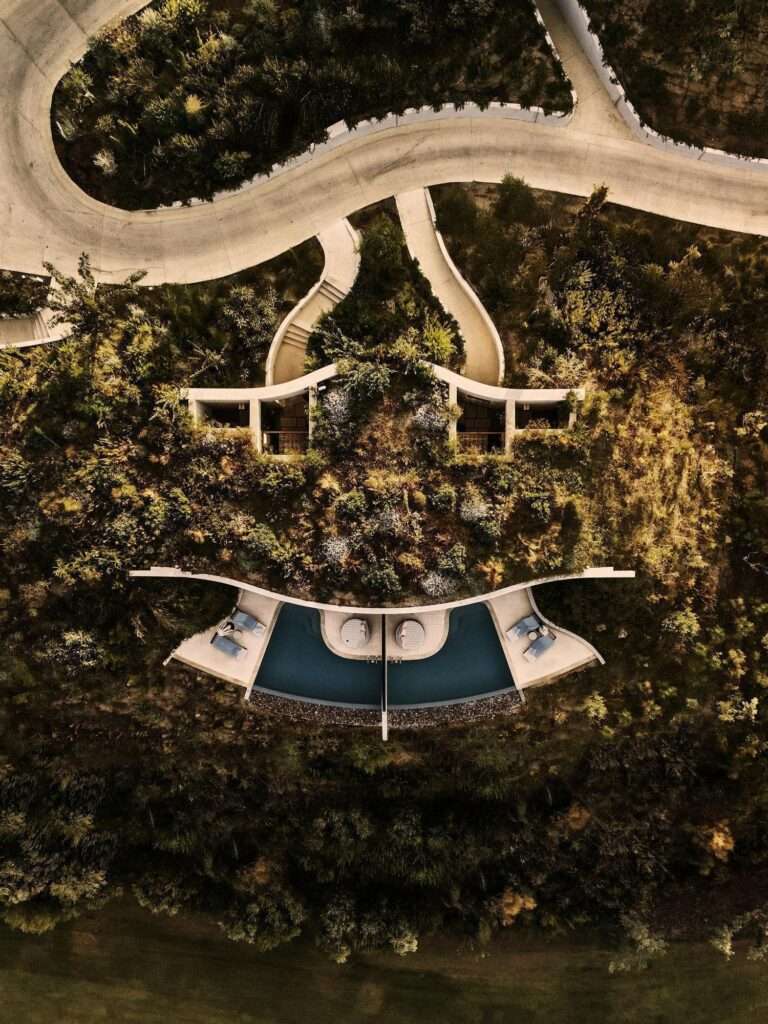
The human experience within the resort is shaped through carefully orchestrated circulation paths that interact directly with the defining elements of the local climate. The scenographic effect relies on the partial integration of 48 private villas into the hillside mass, creating a dynamic interplay of shadows and volumes while enabling natural ventilation routes and strategic solar orientation. Buried roofs and carefully selected materials echo the language of the land and its cultural heritage, guiding users through spaces that balance luxury with the material ruggedness of the terrain. This integration reinforces both the psychological and physical impact of the environment, transforming the resort from a collection of accommodations and swimming pools into a living spatial experience where climate and light become active Design agents.
Spatial Rhythm and the Formation of Architectural Thresholds
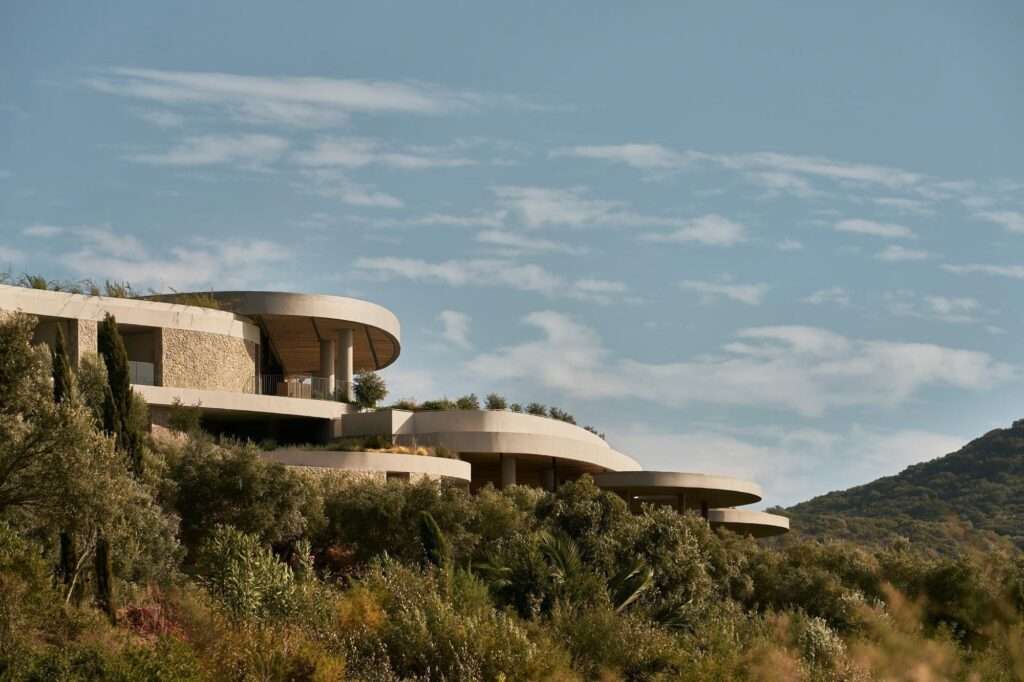
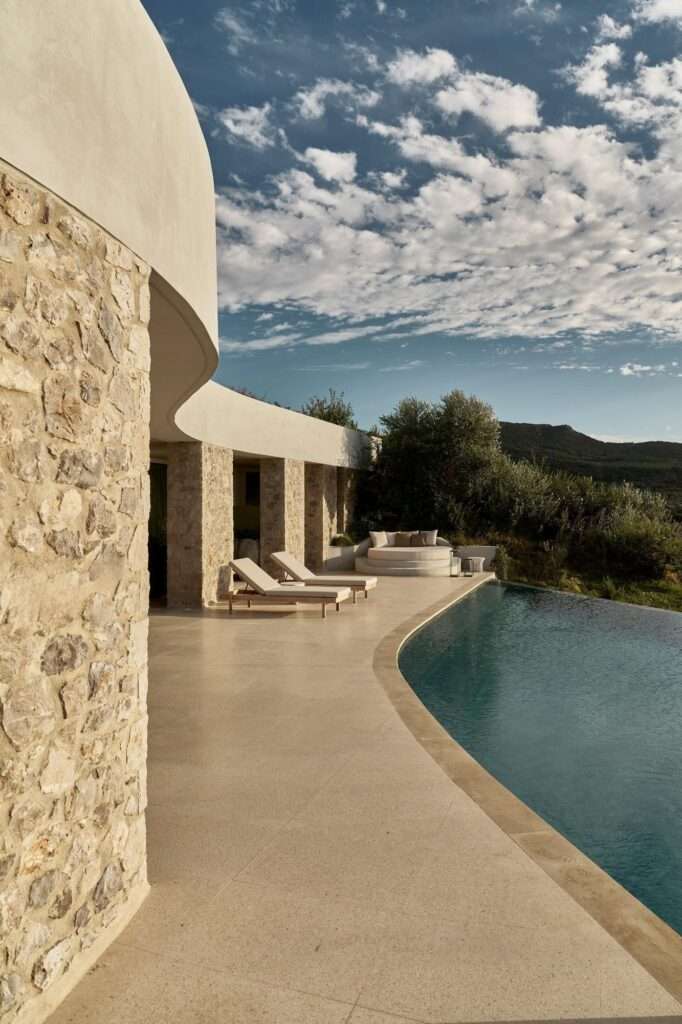
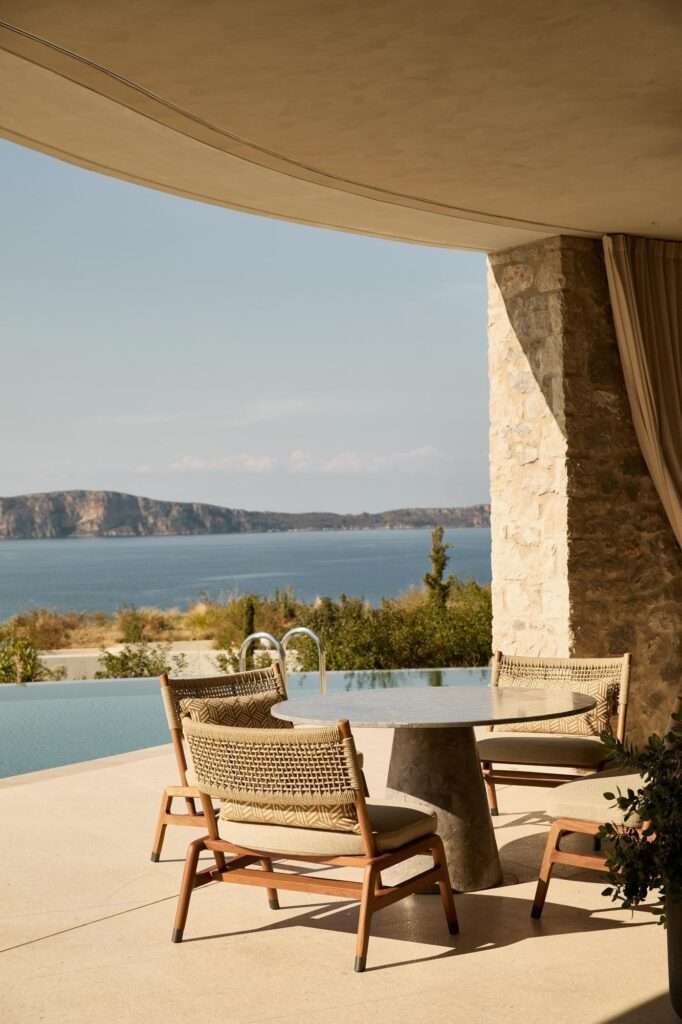
The dispersed composition of the building volumes is designed to create a dynamic spatial experience centered on privacy and autonomy, where interior spaces merge seamlessly with the surrounding environment through gradual horizontal transitions. This multilayered spatial rhythm is expressed through the flow of indoor areas toward shaded outdoor living zones, generating semi-protected transitional spaces that mediate between enclosed interiors and the fully open landscape. Architectural thresholds, embodied in deep structural overhangs and recessed façade openings, perform a scenographic role by filtering light and directing views, creating a sense of refuge and psychological tranquility while maintaining continuous visual connections with the surrounding landscape without compromising privacy. Such strategies are increasingly explored in contemporary Projects that prioritize human experience.
Material Scenography and Intuitive Orientation
The design language emerges through the sensory integration of Building Materials, enhancing the physical presence of space. Stone and terrazzo are employed in a carefully considered manner that reflects the textures and colors of the Mediterranean environment while being enriched with internationally inspired design details that introduce a broader cultural dimension. The organization of spaces and circulation routes follows an intuitive approach that places user movement at the center of the design process, ensuring clarity of orientation and comfort at a human scale. Open-air circulation paths further reinforce this interaction, allowing airflow and the shifting patterns of shadow across raw surfaces to remain a constant and influential presence in the perception and experience of the architecture. For more technical insights, consult specialized Material Datasheets.
Environmental Adaptation and Climatic Scenography
The project’s master plan is based on a flexible operational strategy that translates environmentally into improved energy efficiency, as the decentralized structure allows groups of rooms and villas to be activated or deactivated seasonally. Spatial movement interacts directly with the local climate; outdoor circulation routes eliminate the need for mechanically conditioned corridors, while semi-protected spaces such as covered terraces and entrance courts function as climatic thresholds that mitigate harsh environmental conditions. This architectural approach creates a balanced ecosystem that reduces the burden on mechanical systems while enhancing both thermal comfort and psychological well-being through the intelligent use of airflow and shade. Such climatic responsiveness is a key focus in contemporary Construction practices.
Architectural Abstraction and the Formation of a Quiet Character
The design avoids superficial spectacle in favor of an architectural language that seeks serenity and depth. Rather than imitating historical forms or reproducing them literally, the project listens to its context and abstracts its essential qualities. The organizational logic of the traditional village is reinterpreted through the integration of contemporary materials and construction techniques, resulting in a hybrid composition that bridges conceptual authenticity and modern building solutions. This fragmentation of the built mass creates a clear visual experience that respects human scale, transforming materiality and architectural composition into tools for expressing the idea of a tranquil retreat without falling into the trap of conventional repetition. This approach aligns with broader discussions found in the Archive of architectural theory.
Environmental Scenography and Embedded Sustainability
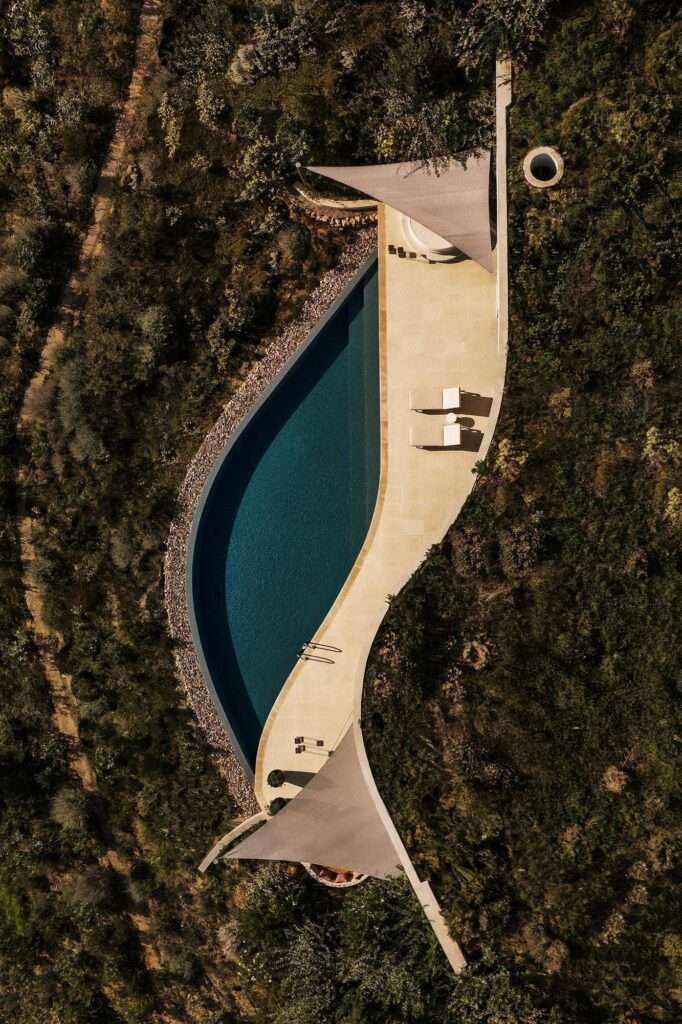
Design decisions are transformed into passive environmental instruments that shape the spatial experience and support ecological ambitions without relying on overtly technological mechanical solutions. Planted roofs and the thermal mass of partially buried structures play both scenographic and material roles in regulating interior temperatures, while opposing openings provide continuous cross-ventilation by harnessing the site’s natural airflow. This psychological and physical effect is reinforced through the use of locally sourced materials that emerge from their own environmental context, complemented by water-efficient landscaping and low-impact lighting. Together, these elements ensure a dynamic interaction that minimizes the separation between architectural space and the surrounding natural landscape throughout both day and night.
Spatial Belonging and the Deconstruction of the Image
The project presents a critical model that moves beyond the visually driven spectacle commonly associated with resort Design, prioritizing spatial relationships and a meaningful connection to place over formal and representational excess. This refined harmony is expressed through the dissolution of boundaries between Architecture, landscape, and user experience, demonstrating that luxury can be achieved through the creation of spatial thresholds with minimal environmental impact. Within this environment, occupants experience a balance between global operational standards and deep local rootedness, as the building fragments into harmonious clusters that redefine the concept of human refuge through integration with the land, its culture, and its climate.
✦ ArchUp Editorial Insight
The text identifies a shift toward a form of living decentralization in which luxury hospitality dissolves into the terrain through the abstraction of traditional local typologies. Through subterranean clustering and passive climatic adaptation, the design rejects the carbon-intensive model of enclosed resort compounds, redefining hospitality space not as a fixed consumer image but as environmental infrastructure integrated with the site’s ecology and seasonal operational cycles. Such approaches are increasingly documented in contemporary Projects that prioritize ecological sensitivity.
However, this decentralized strategy overlooks the substantial environmental costs associated with extensive excavation and the maintenance of dispersed water infrastructure networks. Embedding concrete volumes within hillsides introduces both structural and spatial distortions into the architectural language, concealing the dense infrastructural footprint behind a romanticized rural image. This tension between form and performance is a recurring theme in Architectural Discussion platforms. Furthermore, horizontal distribution complicates energy management, replacing overt visual extravagance with a deeper and more concealed engineering intervention within the natural landscape.